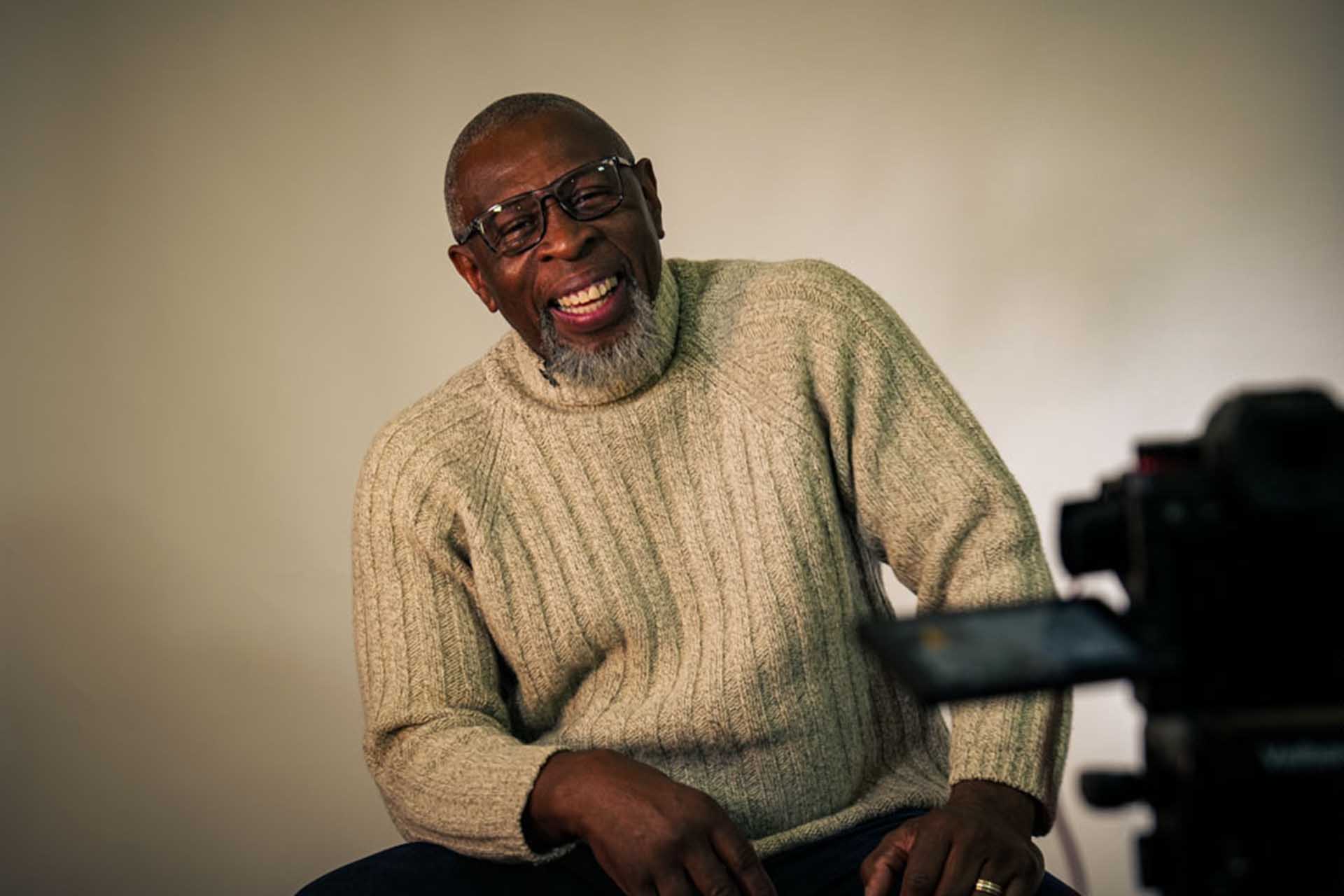
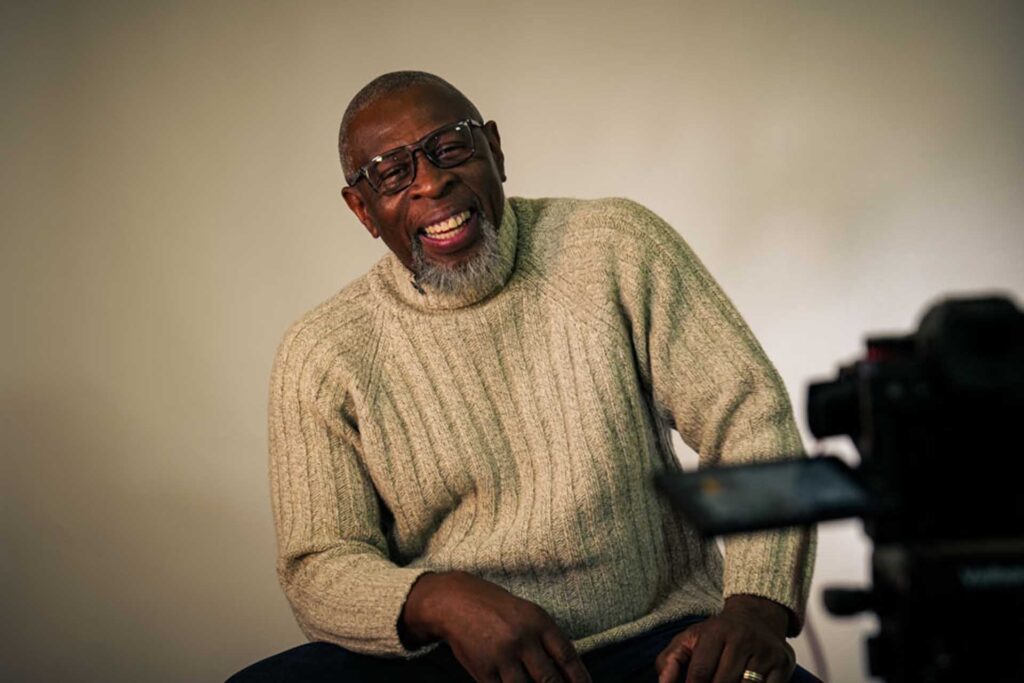
Raised in Moseley and Balsall Heath by Jamaican parents, George’s early life was deeply rooted in the Church of God of Prophecy, attending services from infancy at Ladypool Road. He credits Sunday school and learning “Golden Texts” for instilling biblical knowledge and discipline.
Musically, George was drawn to the church musicians, particularly Brother English and his son Clive. He learned acoustic guitar from Brother English, who even ingeniously repaired his broken instrument with a custom metal bridge. George quickly picked up basic chords, playing rhythm guitar for church songs, gaining amplification later with an electronic pick. He fondly remembers playing multiple instruments—guitar, bass, and drums—during “Lord’s Supper” services at the Broad Road church, creating spontaneous “praise jams”. He also humorously claims to be a “tambourine man” with unrivalled rhythm.
At 24, a challenging relationship and perceived lack of church support led George to leave, and his transition into secular life was “shockingly quick”. Inspired by a breakdance movie, he bought high-end Technics SL1200 turntables and a mixer, focusing on DJ trick work and scratching. A friend at Excel’s nightclub taught him BPM mixing, where he practiced to an empty room.
Concurrently, he took up weight training, transforming his physique and eventually becoming a doorman at Excel’s. Less than a year after leaving church, as DJ Zorro, he won the Birmingham heat of the DMC DJ mixing competition at Excel’s, achieving “unbelievable” notoriety He cultivated a flamboyant hip-hop image based on album covers. DJ Zorro became the warm-up act for major hip-hop artists like Run DMC and Ice-T. Witnessing Prince Paul of Stetsasonic scratch left-handed motivated Zorro to become ambidextrous, increasing his versatility. This secular DJ career spanned 11 years.
An “epiphany” in late 1999, while listening to a Notorious B.I.G. album, prompted his return to faith. Feeling hypocritical about shielding his daughter from profanity he himself enjoyed, and disliking his own language, he decided to go “back into my church”. He then built a gospel music collection by recording radio shows and ordering CDs online via slow dial-up internet.
His wife’s vision led to successful gospel club nights, “Cafe Gospel” and “Gospel Renaissance,” held in “posh wine bars”. Though initially hesitant to DJ gospel, the presence of turntables at the first event inspired him, and he quickly became proficient, sourcing unique tracks from the US.
George primarily listens to Christian hip-hop but plays diverse genres at events. He advocates for aspiring DJs to pursue excellence in their craft, noting that turntables are now recognized as musical instruments. He teaches DJing as part of the BTEC music curriculum at Queensbridge School, where he also specializes in helping underachievers in math.
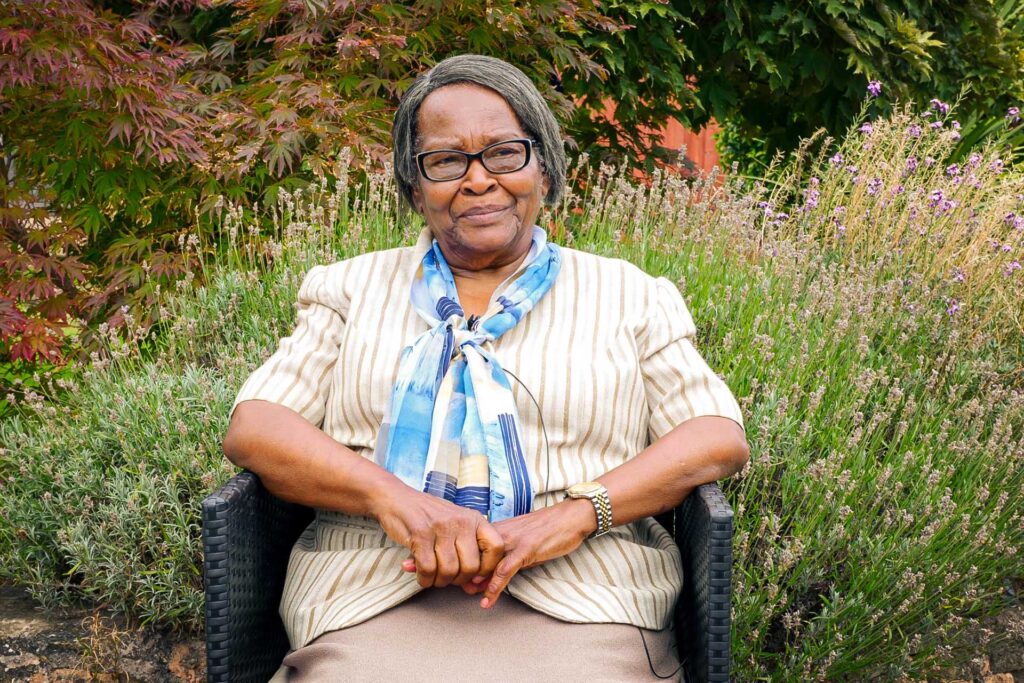
Born in Morgan's Pass, Clarendon, Jamaica, Sister McCalla demonstrated academic prowess, completing her sixth form and passing her first-year exams…
Raised in Moseley and Balsall Heath by Jamaican parents, George's early life was deeply rooted in the Church of God…
Celebrating the musical impact of the Windrush Generation in the West Midlands & Beyond