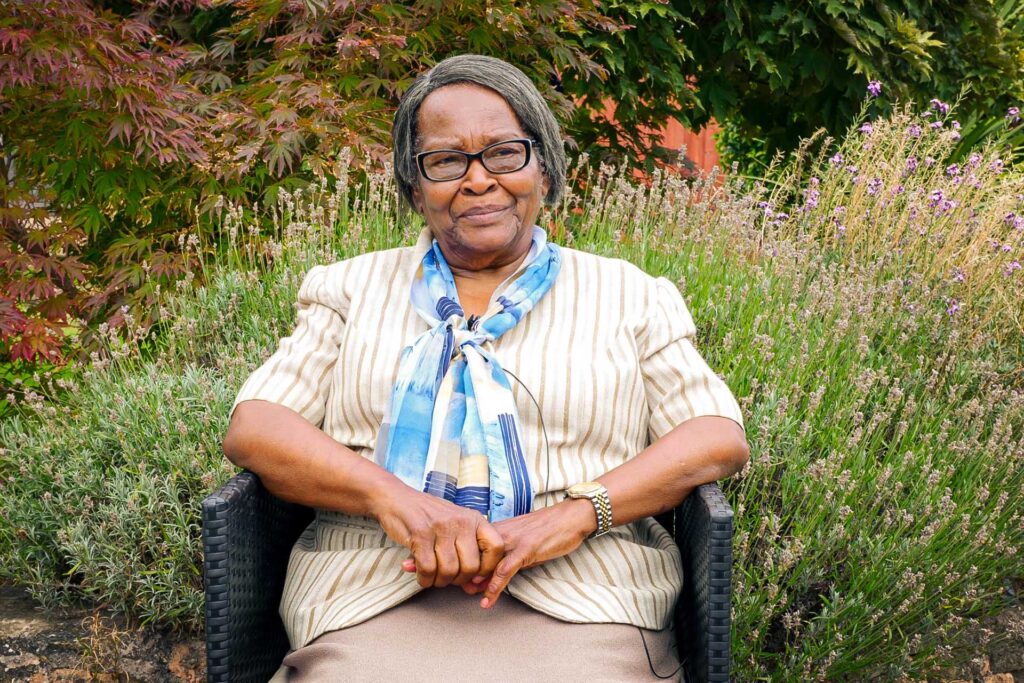
Paul Streete

Paul Streete, born to Jamaican Pentecostal parents—his father a deacon, his mother an evangelist—recounts a musical journey deeply rooted in his Willenhall, UK church.

His early memories include the humble beginnings of services in a community hall, often ending abruptly when caretakers flicked the lights. His musical awakening began with Deacon Johnson’s “scat” guitar playing and his uncle’s bass guitar, acquired using Green Shield stamps, whose “doom, doom, doom” sound, coupled with tambourines, formed the early rhythm section. Paul notes that the “on the beat” clapping rhythm in those services stemmed from slavery practices.

After struggling with the bass, Paul switched to guitar, joining the male gospel group The Imperials as a bass-baritone singer. His parents made a huge sacrifice by buying him an electric guitar for Christmas instead of a traditional festive meal. Around age 13 or 14, he was profoundly influenced by guitarist Martin Longmore, his “hero,” whose daring performance, including playing with his teeth, inspired Paul to teach himself by memorising Martin’s moves and practising relentlessly, even breaking an Andre Crouch tape from excessive rewinding.
At about age 15, Paul played with Longmore, who initially gave him harsh criticism, saying he’d “never be a guitarist.” Encouraged by his father and the pastor’s wife, Paul persisted. Years later, Martin finally praised his playing, a moment that validated his dedication and led to his “excelling.” Paul played with groups like the “fantastic” Harrow Gospel Choir and supported Billy and Sarah Gaines with Destiny. He vividly remembers the pain of selling his cherished Fender Stratocaster to make ends meet, only for the shop to resell it for much more, making him reluctant to sell any of his current, named guitars.

Paul highlights the competitive yet trusting relationship he had with fellow musician Trevor Prince, including Trevor’s secret modification of Paul’s guitar for a better sound. He addresses the increasing trend of talented church musicians being “poached” by secular artists for their “gospel feel,” leaving them unappreciated in the church. He criticises the church’s treatment of musicians, recalling instances where professional equipment was unplugged or deemed “too loud,” often forcing musicians to bear significant costs while being expected to perform for free.

He laments the loss of talent, like Fritz McIntyre (Simply Red), to the secular world. Paul urges churches to appreciate and invest in their music ministry, emphasising the need for professionalism and wisdom. He encourages musicians to constantly learn, adapt, and develop their own unique “stamp,” recognising music as a powerful ministry that changes atmospheres.

He names Josh McCullough, Trevor Prince, Martin Longmore, Ronald Lysight, and Paul Reed as major influences.

// Featured in

Sis McCalla

Born in Morgan's Pass, Clarendon, Jamaica, Sister McCalla demonstrated academic prowess, completing her sixth form and passing her first-year exams…
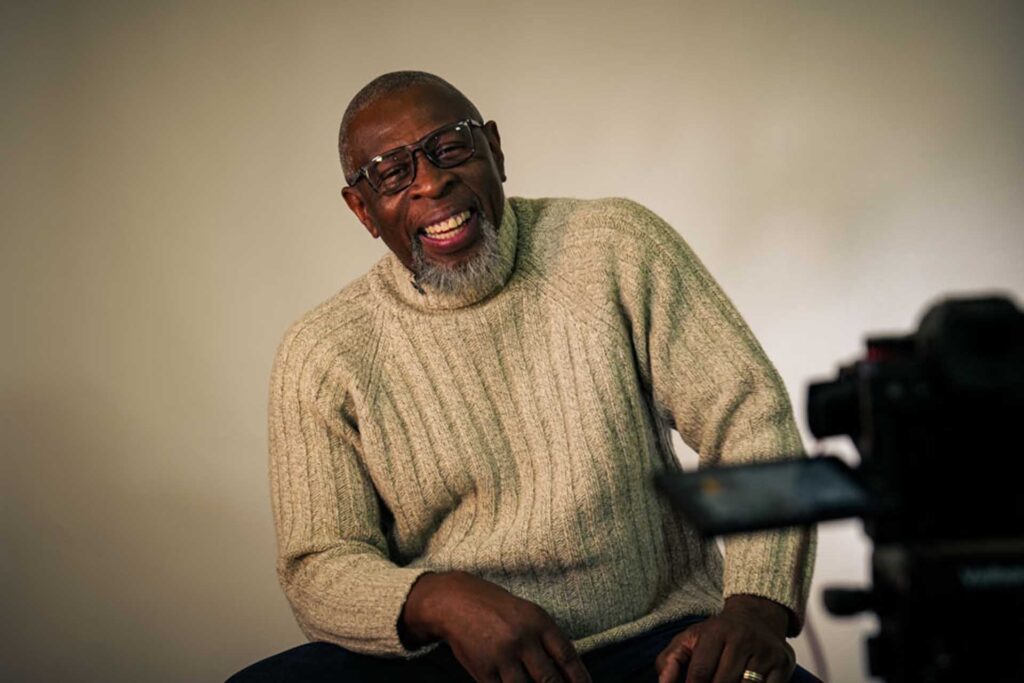
George Lawson-Bennett (AKA DJ Zorro)

Raised in Moseley and Balsall Heath by Jamaican parents, George's early life was deeply rooted in the Church of God…
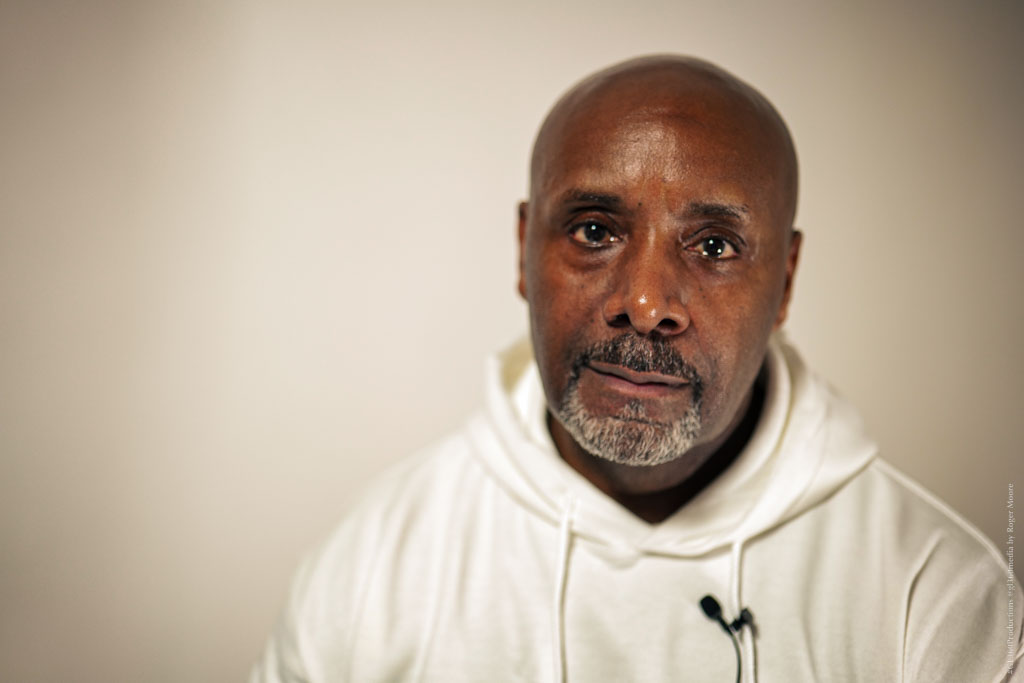
Beresford Dawkins

Born in Birmingham in 1960 to Jamaican parents, has an extensive history in music ministry, promotion, and community project leadership.

Louis Williams

Louis Williams, a respected drummer and educator, shares a lifelong musical journey rooted in his Pentecostal upbringing in Willenhall and…
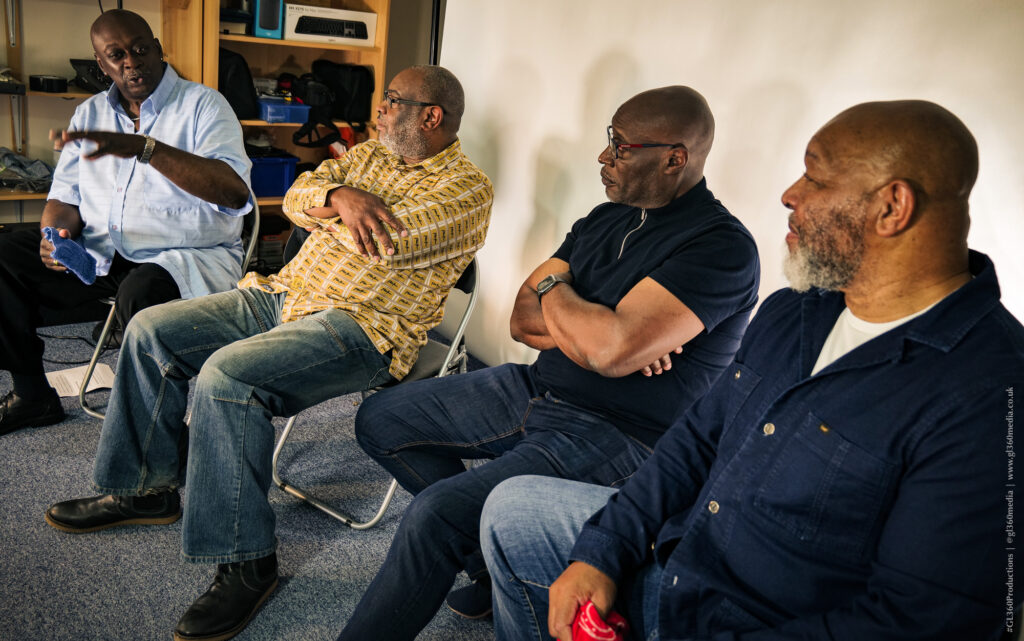
Raymond Grant, Wayne Williams, Glenn Prince & Alvin Ewen

Alvin's bass journey began accidentally when his trombonist father bought a bass that "ended up with me playing it".
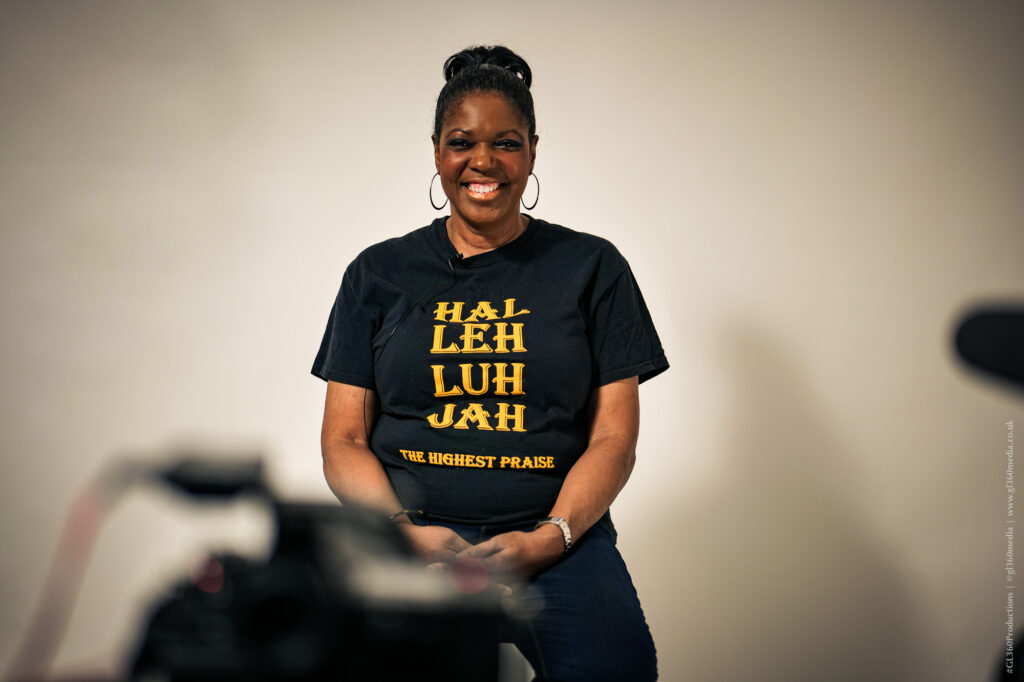
Maxine Brooks

Maxine Brooks, born in Birmingham in 1964 to Jamaican parents, found her life's purpose in a Pentecostal church, leading to…


Celebrating the musical impact of the Windrush generation in the West Midlands.

Recounted. All rights reserved. ©Gospel Link Media CIC.

Celebrating the musical impact of the Windrush Generation in the West Midlands & Beyond