Born a first-generation British Jamaican, his earliest passion ignited listening to local reggae bands, Capital Letters and Pre Wax, rehearse near his home.
Growing up in a church with only a piano player, Ian’s mother bought him an acoustic guitar at age 11. Due to his heavy-handed playing frequently breaking strings, he played with only four strings (E, A, D, G) from age 11 to 14, effectively becoming a self-taught bass player. At 14, he acquired his first black Hondo II bass guitar. In senior school, he learned baritone and trombone, achieving Grade 5 on the latter. His cousins formed The Pilgrim Brothers, whose bassist, Bishop Windsor Queensborough, became a key mentor. Ian would intently watch him play, then copy the complex bass lines from memory during breaks.
After giving away his first bass, Ian borrowed an Ibanez bass from Dave Copeland of the Apostolic church, a key figure who saw his talent and lent him the instrument for studio sessions. His first proper band was Divinity, where he played keyboards, before joining the family group Jones and Co, which won awards and toured nationwide, supporting acts like Commissioned. This brought him recognition in the London circuit. A pivotal moment for his session career came when he stepped in for a sick bassist at a London concert, learning songs from cassettes in the car, solidifying his reputation for adaptability.
Ian was instrumental in establishing the Sam Sharp Project in Wolverhampton, a community studio secured with a £10,000 grant, which became a creative hub for local musicians including Louis Williams, Paul Reed, Joseph Ross, and a young Beverley Knight.
Despite extensive secular session work with artists like Samantha Mumba and Lighthouse Family, Ian remained committed to his gospel roots, prioritising Sunday church and viewing his church playing as worship, not a gig. He recalls a negative experience at his local Apostolic church where a bass player publicly humiliated him, calling him “rubbish.” This incident fueled his determination to practice relentlessly, even in the snow, mastering his craft and developing a deep connection with his instrument.
Ian stresses the importance of humility and collaboration among musicians, advocating for sharing opportunities rather than competition, naming “brothers” in music like Mark Willis, Colin Peters, Steve Morgan, and Freddie Thompson. He highlights the deep camaraderie within the Birmingham gospel community, sustained by his strong connections with childhood friends like Paul Reed, Louis Williams, and Patrick White.
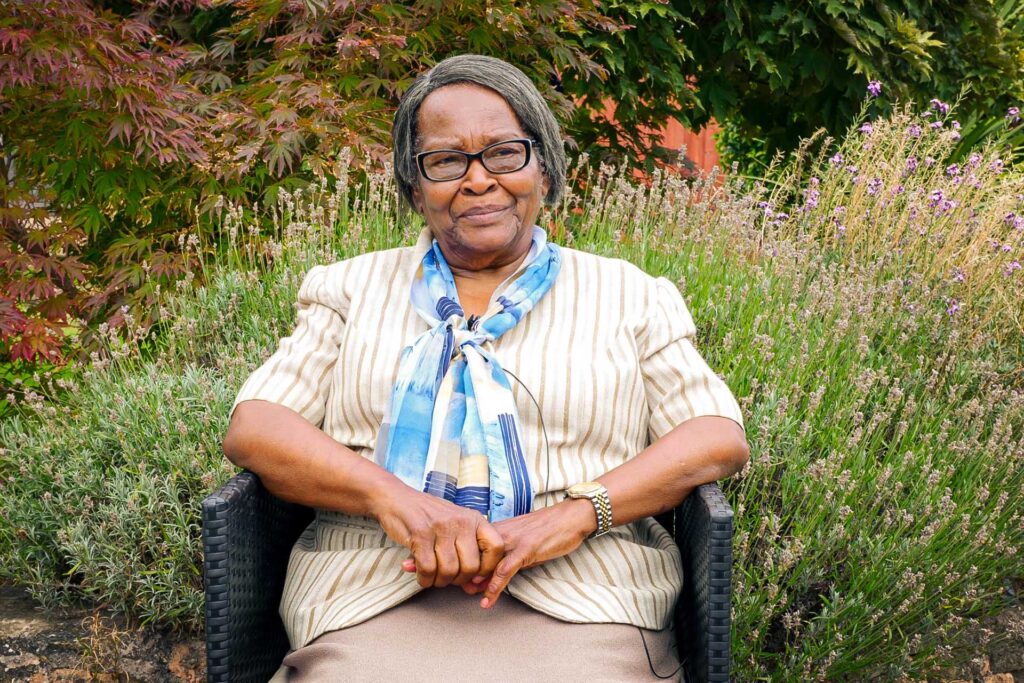
Born in Morgan's Pass, Clarendon, Jamaica, Sister McCalla demonstrated academic prowess, completing her sixth form and passing her first-year exams…
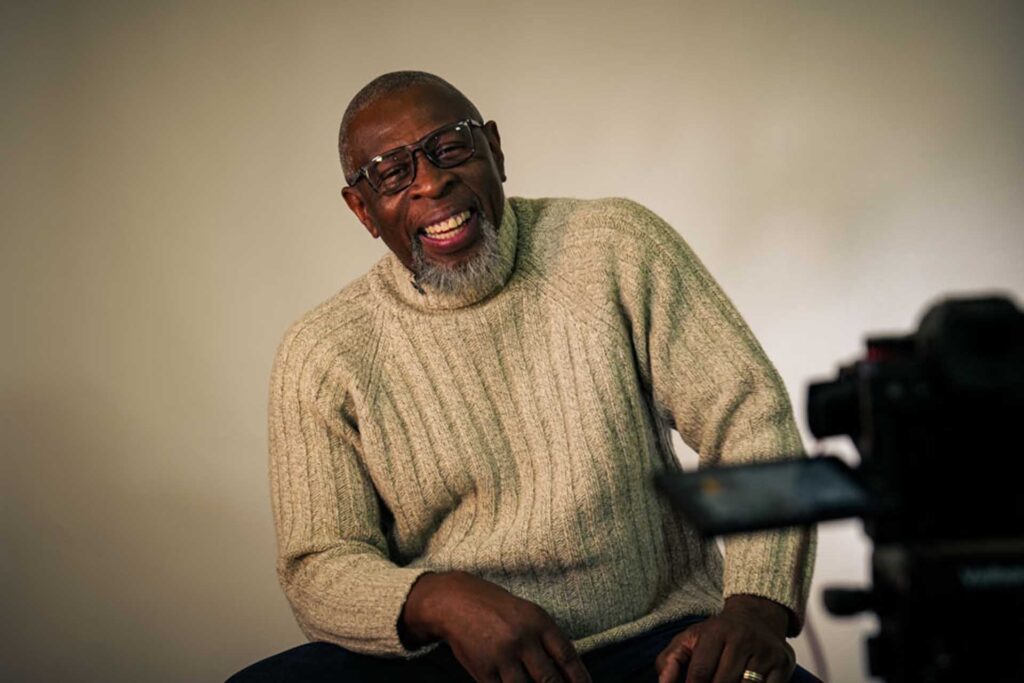
Raised in Moseley and Balsall Heath by Jamaican parents, George's early life was deeply rooted in the Church of God…
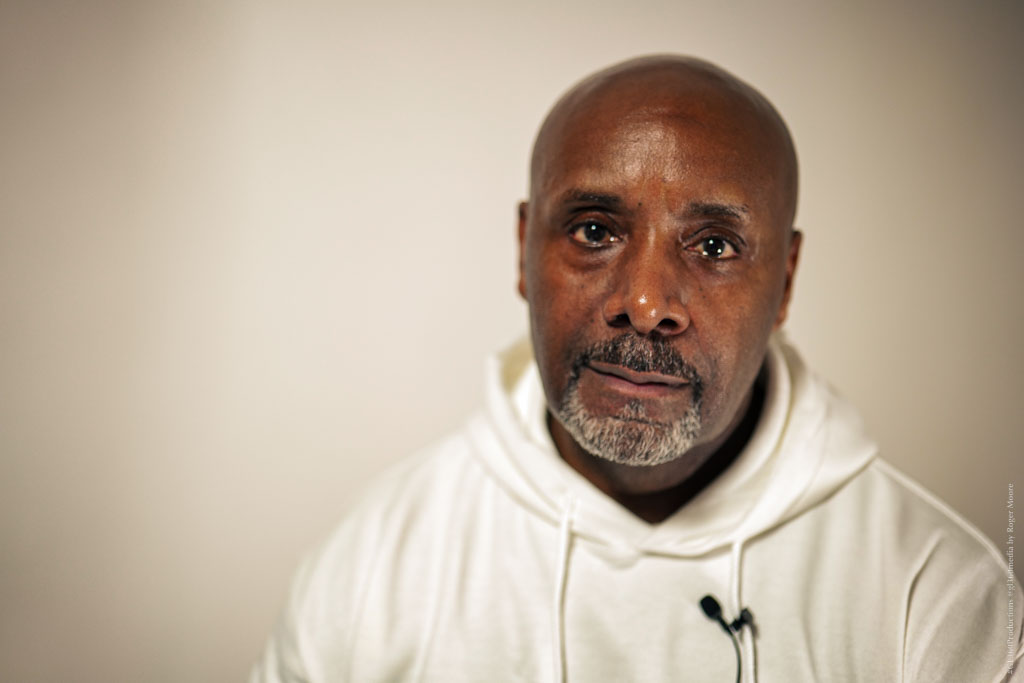
Born in Birmingham in 1960 to Jamaican parents, has an extensive history in music ministry, promotion, and community project leadership.
Louis Williams, a respected drummer and educator, shares a lifelong musical journey rooted in his Pentecostal upbringing in Willenhall and…
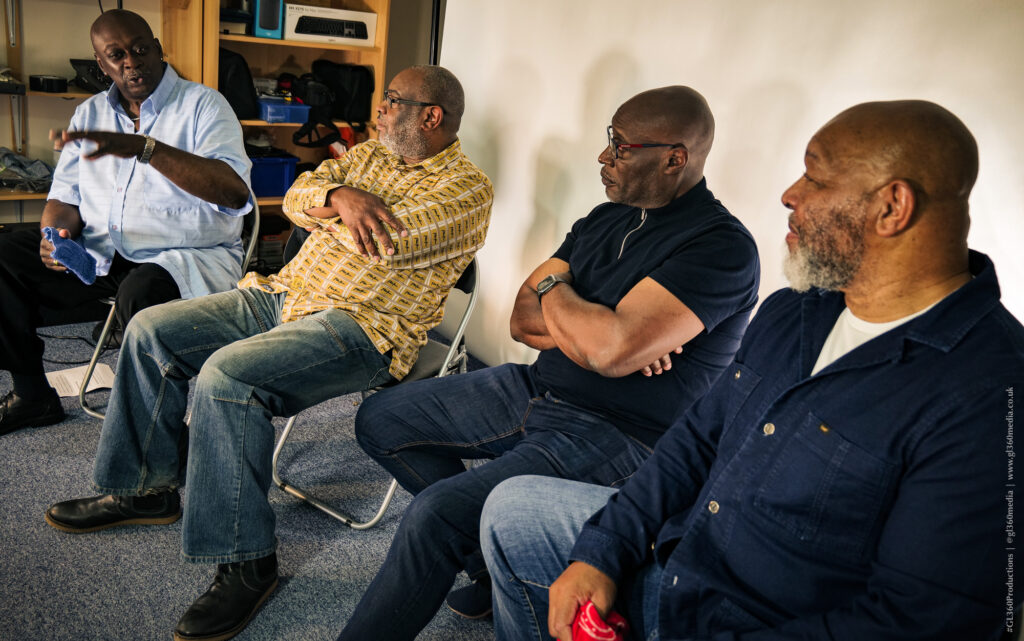
Alvin's bass journey began accidentally when his trombonist father bought a bass that "ended up with me playing it".
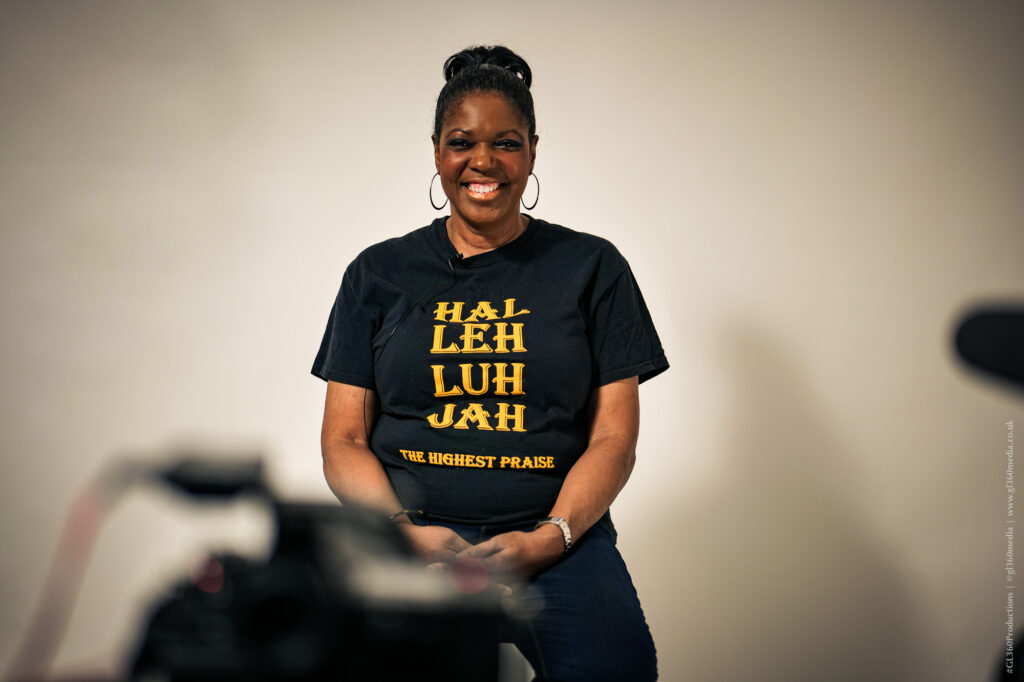
Maxine Brooks, born in Birmingham in 1964 to Jamaican parents, found her life's purpose in a Pentecostal church, leading to…

Celebrating the musical impact of the Windrush Generation in the West Midlands & Beyond