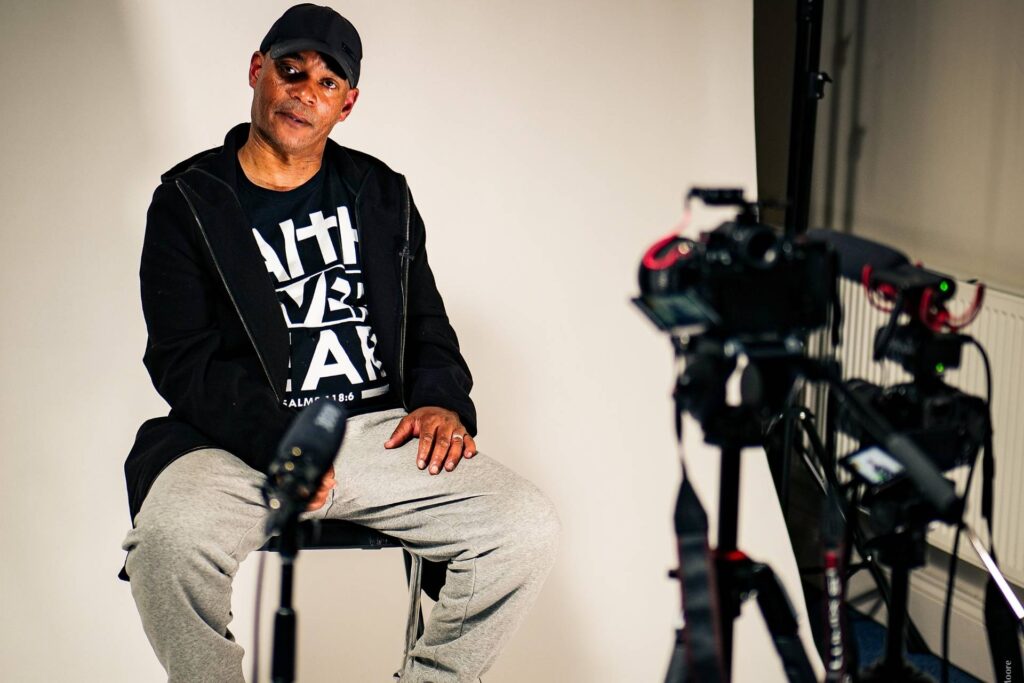
Rico Fogarty

Rico's life, born in England to Jamaican parents, was constantly interwoven with music and eventually defined by a powerful spiritual conversion.

His Birmingham childhood was steeped in the sounds of his father’s “Studio One” sound system, which played new Jamaican records on large “tannoy” speakers. These sound systems were central to “blues shebeens” (house parties), vital social hubs for the black community’s integration in England.

In senior school, Rico co-founded the sound system “CIFAR,” which quickly became known as “probably the best youth sound that ever came out of Birmingham.” CIFAR competed nationally against renowned sounds like Coxson and Jah Shaka, fostering a strong community among young people through dances and hall events. The rise of 70s and 80s cultural music coincided with the Rastafarian movement. Despite a traditional church upbringing, Rico embraced Rastafarianism, a period characterized by parental disapproval but a powerful sense of unity within the black community. His spiritual turning point occurred while reading the Book of Job as a Rasta; Job’s praise of God after losing everything made God seem “attainable.” This realization led CIFAR, uniquely for a Rasta sound, to declare Jesus Christ and include scriptures on their posters, influenced by Rico’s discovery that Haile Selassie I was a devout Christian.

His conversion was solidified during an Easter service at George Street Church. A sermon on Jesus’s sacrifice brought him profound peace, and he spontaneously stopped his daily habit of smoking cannabis, never desiring it again.

Feeling called to use music for positive change, Rico, with Robin (Assassin), Dennis, and Jamal, pioneered “reggae gospel.” They established Shekinah Records, releasing the first reggae gospel record. Facing initial opposition from some ministers who banned church members from their events, Shekinah’s music gained popularity on pirate radio, paving the way for gospel on mainstream platforms. Their first major performance in “Gunchester” (Manchester) drew a large, captivated crowd, solidifying Rico’s belief that music was “innocent” and could spread Christ’s message to the “ghetto.”

A significant initiative was “Voice of the Youths,” launched in response to Birmingham’s escalating gun violence. Working at a Newtown community center, Rico organized a competition for young people to express themselves through music against violence, without profanity. This program provided a platform for unknown talents like Spanner and Sammy G, attracted large crowds, and fostered positive behavior, even among some “gangster youths.” Though the program ran successfully for two years, police concerns about potential gang violence led to its halt. 

Rico believes Shekinah ultimately provided Christian youth with exciting experiences and stories, giving them something positive to share.

// Featured in

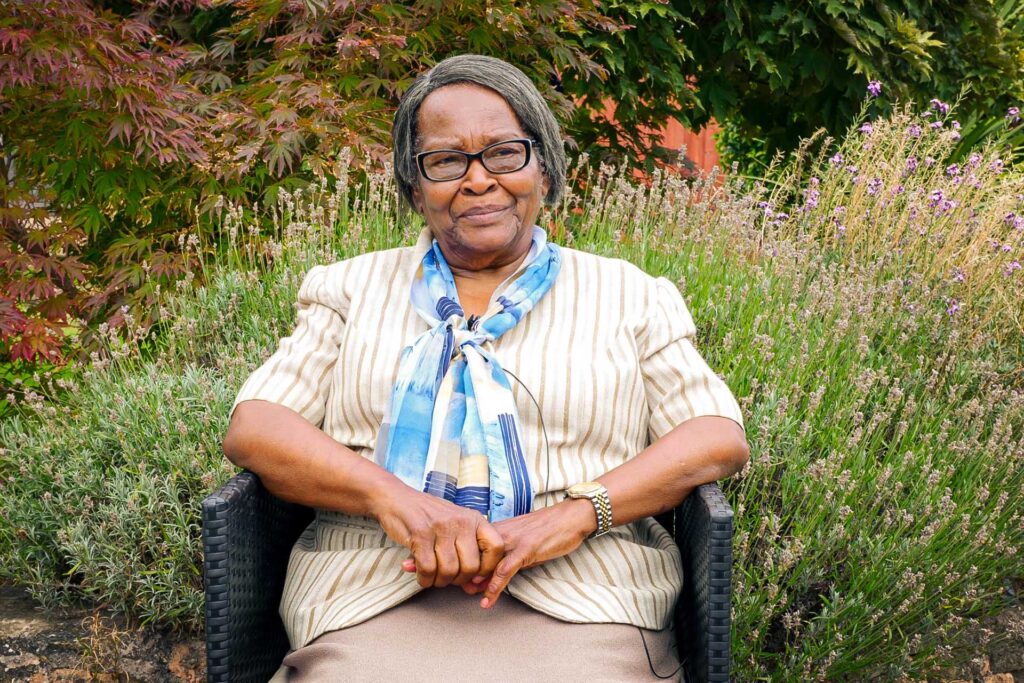
Sis McCalla

Born in Morgan's Pass, Clarendon, Jamaica, Sister McCalla demonstrated academic prowess, completing her sixth form and passing her first-year exams…
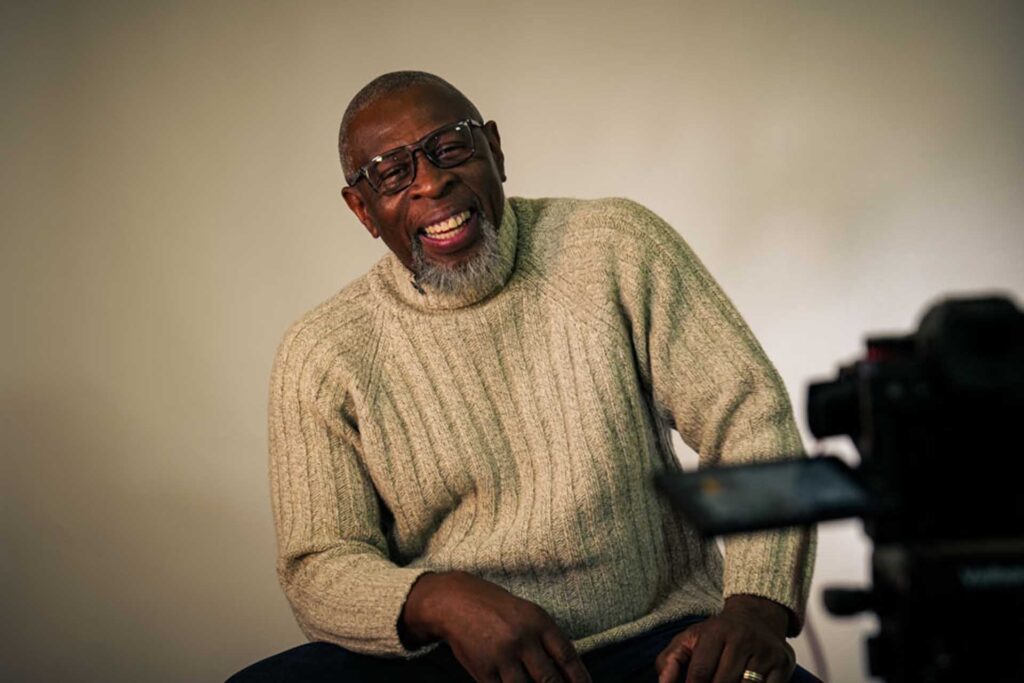
George Lawson-Bennett (AKA DJ Zorro)

Raised in Moseley and Balsall Heath by Jamaican parents, George's early life was deeply rooted in the Church of God…
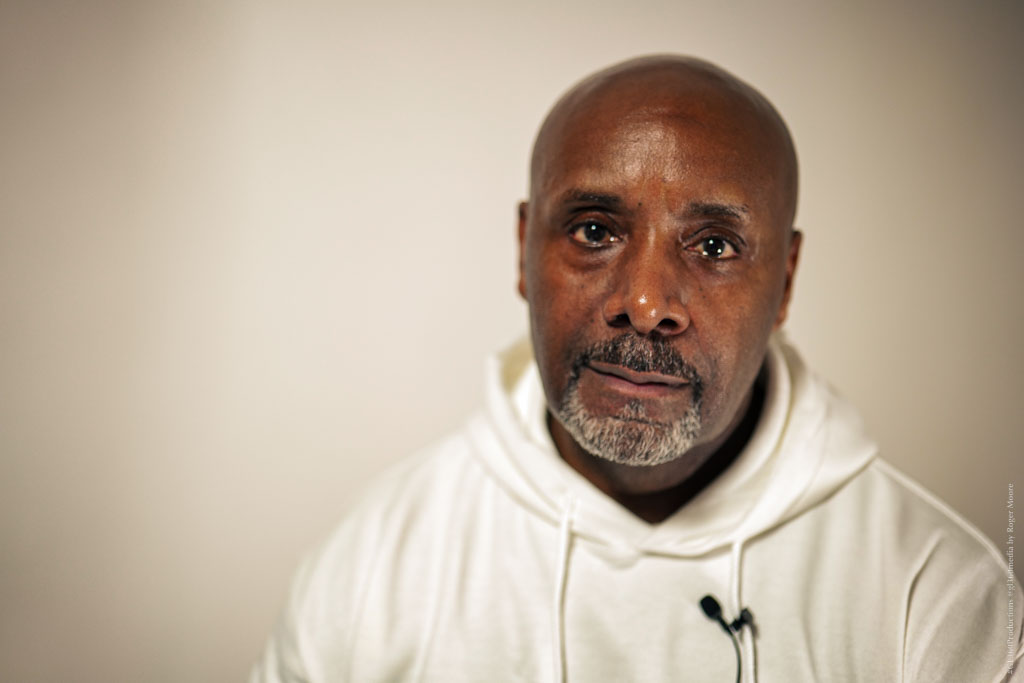
Beresford Dawkins

Born in Birmingham in 1960 to Jamaican parents, has an extensive history in music ministry, promotion, and community project leadership.

Louis Williams

Louis Williams, a respected drummer and educator, shares a lifelong musical journey rooted in his Pentecostal upbringing in Willenhall and…
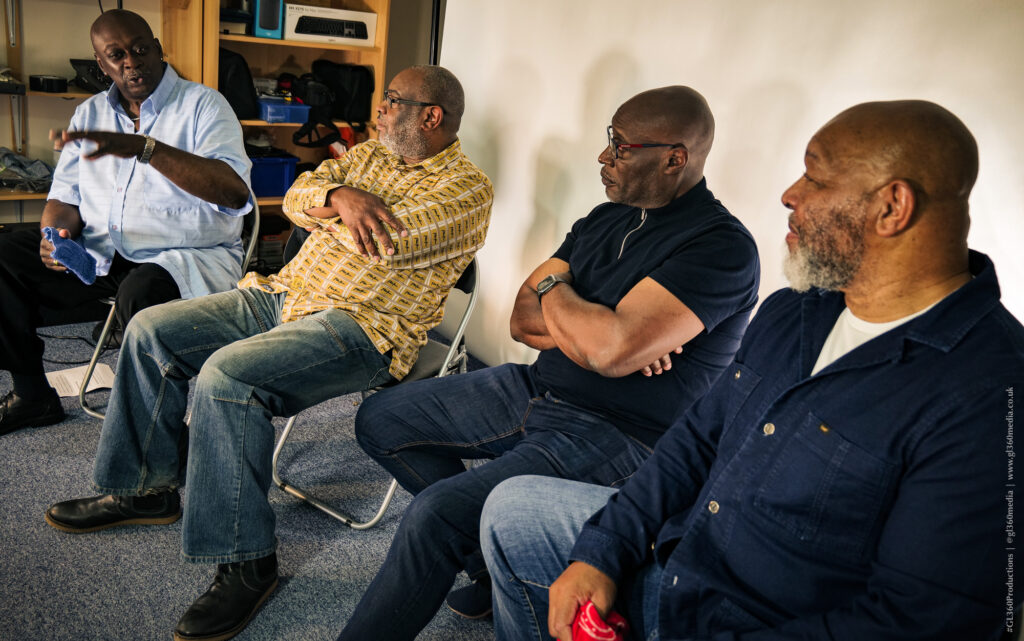
Raymond Grant, Wayne Williams, Glenn Prince & Alvin Ewen

Alvin's bass journey began accidentally when his trombonist father bought a bass that "ended up with me playing it".
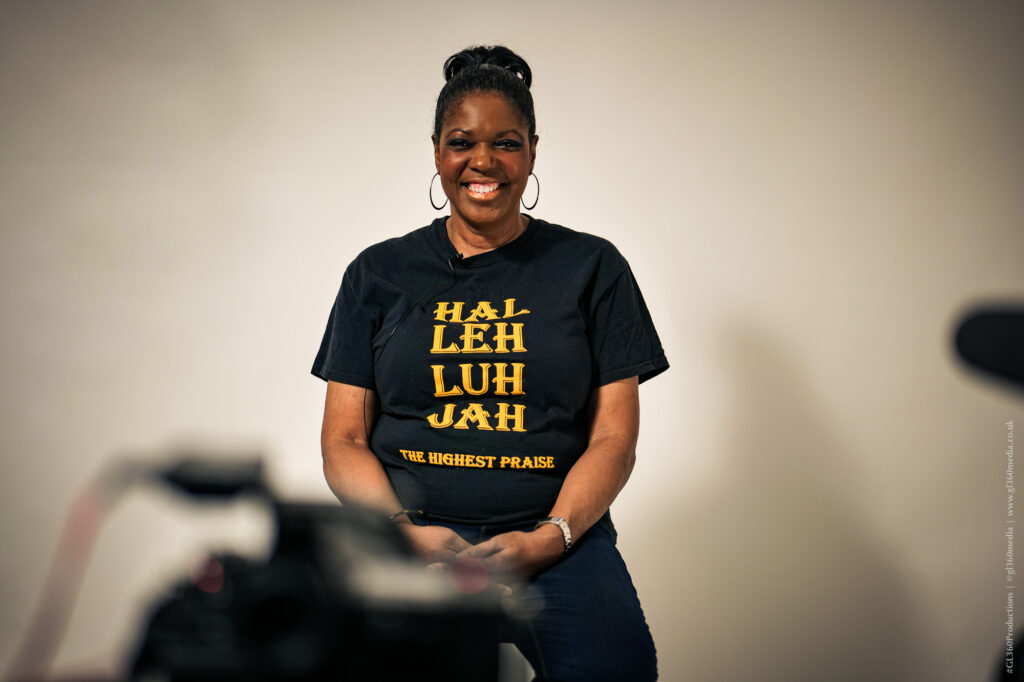
Maxine Brooks

Maxine Brooks, born in Birmingham in 1964 to Jamaican parents, found her life's purpose in a Pentecostal church, leading to…


Celebrating the musical impact of the Windrush generation in the West Midlands.

Recounted. All rights reserved. ©Gospel Link Media CIC.

Celebrating the musical impact of the Windrush Generation in the West Midlands & Beyond