
His affinity for singing began in junior school and continued into secondary school, where he was part of a gospel choir with Maxine and Beverley Brown, daughters of the renowned Gloria Brown. His musical exposure expanded to include backing vocal work at Grosvenor Road and other studios, a secular involvement his mother tolerated as long as he remained safe.
His earliest church memories are from Farm Street, where music was initially limited to piano-led hymns. He recalls the vibrant, improvisational interpretations of these hymns by the congregation, creating a joyful, if harmonically imperfect, atmosphere. Moving to Chapel Street, music became more prominent, with musicians like the Flurries present. Key inspirations and mentors included choir directors Janet Powell and Maureen Buchanan, as well as Constantine Scott, a self-taught harpist and guitarist who organized the first major orchestral jamboree at Aberdeen Street. Other significant vocal influences were Gloria Brown, Joy Watson, Joel Aldridge, and American artists like Andre Crouch.
Inspired by the American group “Mighty Clouds of Joy,” Layton formed his first lead vocal group, “Clouds,” at age 14 or 15, which included Colin Peters. The group was “controversial” for mixing members from different local Church of God of Prophecy churches, a practice “not the done thing” at the time. “Clouds” toured Birmingham, performing at various church events. Layton also recalls the intense “choir wars” within the Church of God of Prophecy, humorously recounting a disastrous Chapel Street performance that led to Pastor McCullough’s memorable critique: “dry like a parched corn.”
He later joined the Mass Choir, heavily influenced by director Sharon Brown, known for her “slick style” and powerful delivery. Driven to expand his vocal talents beyond constrained choir parts, Layton formed “Friends in Christ,” a group of six vocalists from different denominations dedicated to performing his original songs. Their first concert at the Birmingham Symphony’s rehearsal rooms was a success despite technical issues.
Layton highlights influential Birmingham gospel vocalists like Jennifer Phillips, known for her “astounding voice,” and Divine, admired for their harmonies. He praises the immense talent within the Midlands gospel scene, noting artists like Wayne Ellington and Carla Hales. He distinguishes between traditional “church choirs” and modern “community choirs,” advocating for the latter’s inclusive nature and spiritual benefits, emphasizing nurturing “feeling” and encouragement over rigid rules.
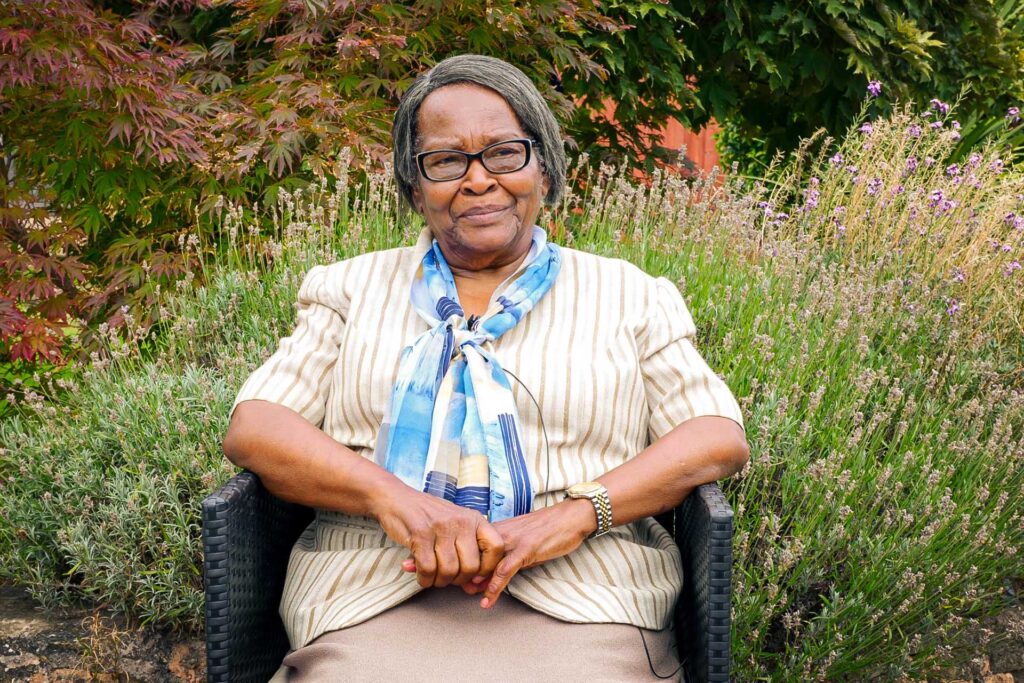
Born in Morgan's Pass, Clarendon, Jamaica, Sister McCalla demonstrated academic prowess, completing her sixth form and passing her first-year exams…

Raised in Moseley and Balsall Heath by Jamaican parents, George's early life was deeply rooted in the Church of God…
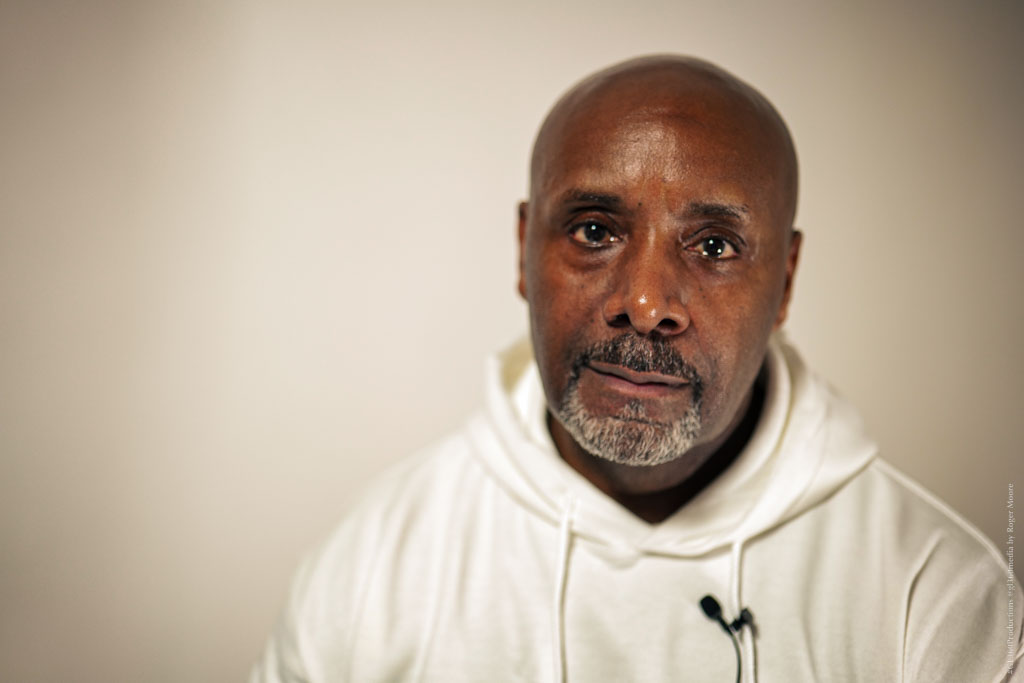
Born in Birmingham in 1960 to Jamaican parents, has an extensive history in music ministry, promotion, and community project leadership.
Louis Williams, a respected drummer and educator, shares a lifelong musical journey rooted in his Pentecostal upbringing in Willenhall and…
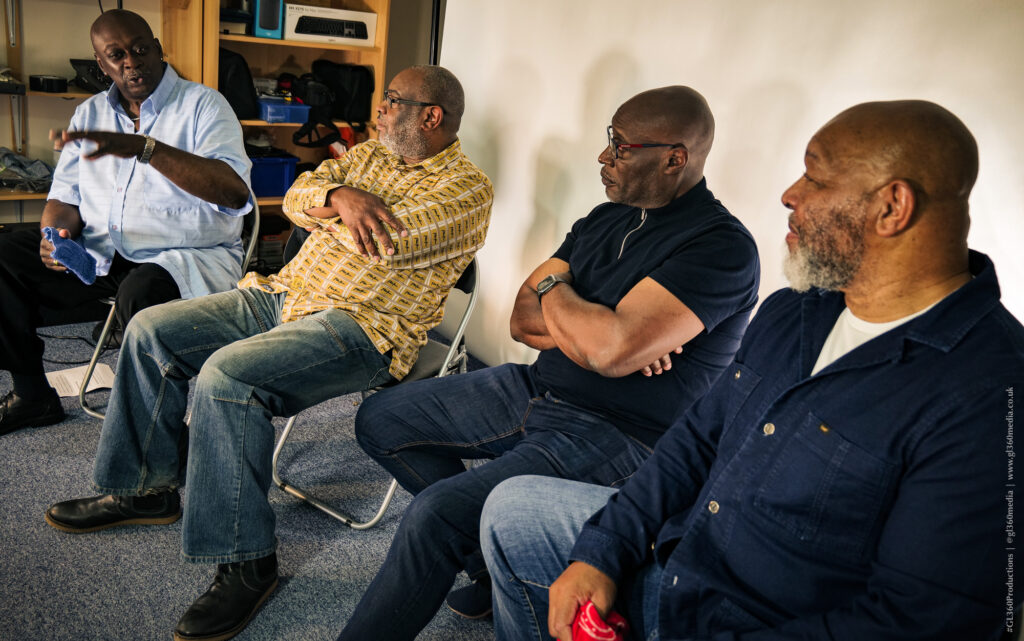
Alvin's bass journey began accidentally when his trombonist father bought a bass that "ended up with me playing it".
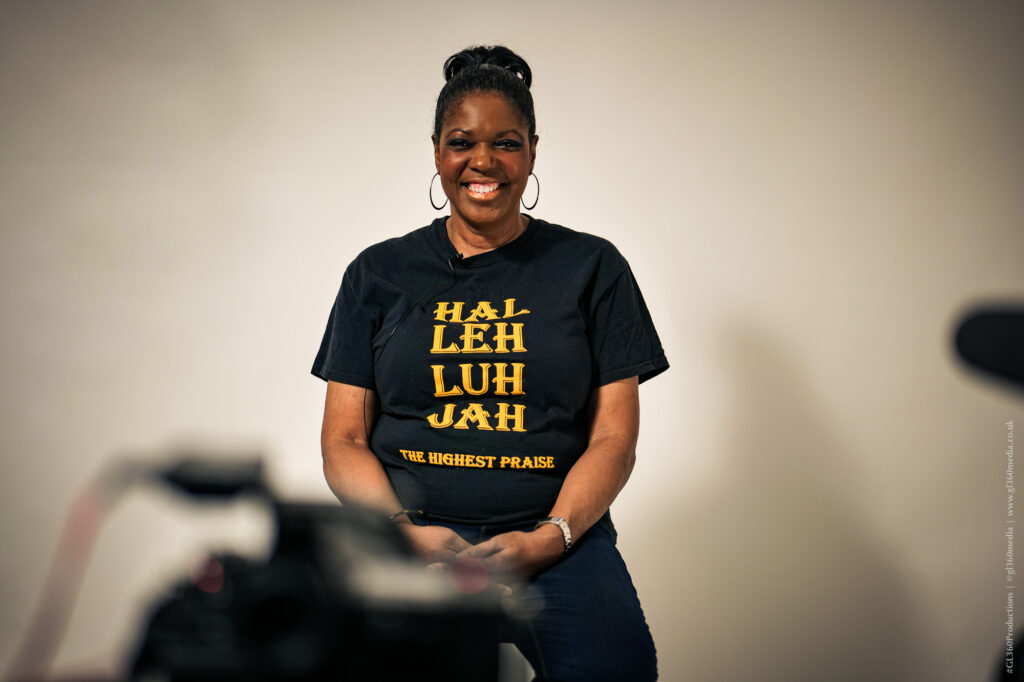
Maxine Brooks, born in Birmingham in 1964 to Jamaican parents, found her life's purpose in a Pentecostal church, leading to…

Celebrating the musical impact of the Windrush Generation in the West Midlands & Beyond