Music was a significant part of his life, heard on radio stations like RJR and JBC, and most notably experienced in the Church of God of Prophecy. His brother, Tim, taught him to play basic chords on a “box guitar” before he left Jamaica, and Aldred also learned to play the tambourine.
Aldred’s unexpected singing career began on his first Sunday in England at the Peel Street Church of God of Prophecy in Winson Green, where his mother submitted his name for a church fundraising “programme”. Despite never having sung solo or practiced a song, he sang “Dear Jesus, I’m coming to see you someday” (Number 106 from the Banner Hymns). The performance was met with “uproar,” and he was encored three or four times, instantly becoming known as “Joe Aldridge, the singer”.
He joined forces with his cousin, the talented Gloria Brown, who had a fantastic voice and was a sensation as a singer even back in Jamaica. They were central to a group called Spiritual Rhythm, which also included singers like Pat McCullough and Joy Watson. They even auditioned for the TV show Opportunity Knocks. Later, Aldred was a singer on the LP The Joyful Sound, recorded in one day with a group that included Ozzy and Wayne Williams and Ted Roy Powell, among others. He also sang a solo at the General Assembly of the Church of God of Prophecy in Cleveland, Tennessee.
In England, Aldred took over as the electric bass player at Peel Street Church for several years, a role he found relatively straightforward to pick up given his basic guitar knowledge, after his father stopped playing the double bass.
A key takeaway from his musical experience was the absolute necessity of practice, practice, practice. Spiritual Rhythm would practice for hours on end at Gloria Brown’s house, and this work ethic instilled a perfectionism that led Aldred to consciously stop singing when he was called into ministry in 1983 because he could no longer practice with the band. He finds it irritating when singers in church don’t prepare, feeling that a poorly rehearsed song is “not a good offering to give to the Lord”.
Aldred also reflects on the sectarianism in British gospel music during that era, where singers rarely performed outside their own denominations like the Church of God of Prophecy, leading to a lack of shared good practices and community. This experience is what led him to gravitate towards working in the field of ecumenical affairs, where he advocates for unity and the sharing of resources and talent across different Christian traditions.
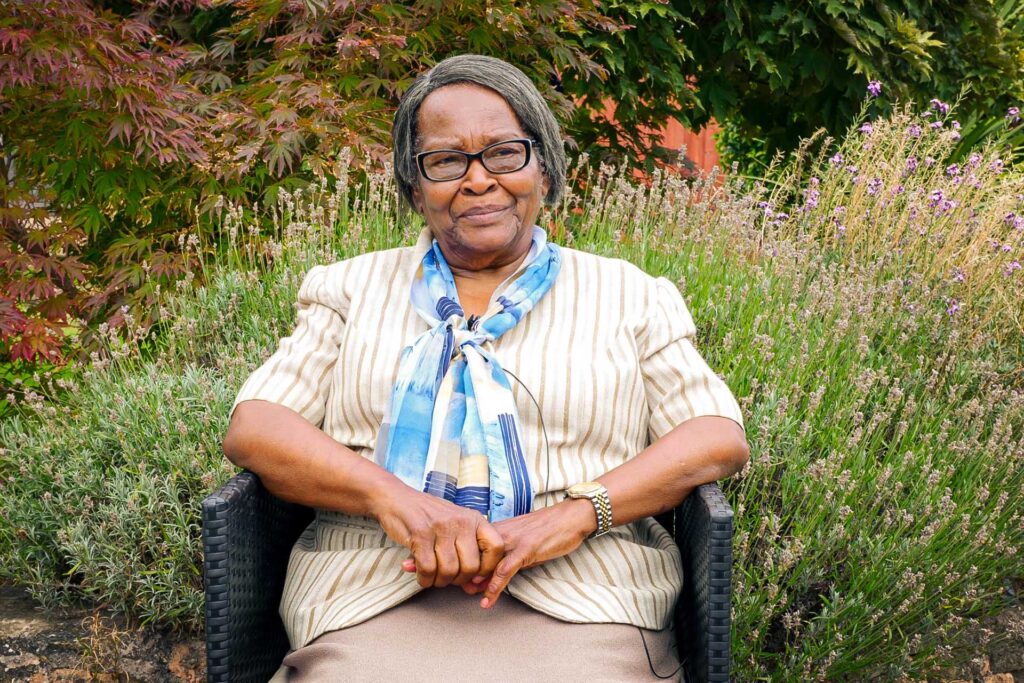
Born in Morgan's Pass, Clarendon, Jamaica, Sister McCalla demonstrated academic prowess, completing her sixth form and passing her first-year exams…

Raised in Moseley and Balsall Heath by Jamaican parents, George's early life was deeply rooted in the Church of God…
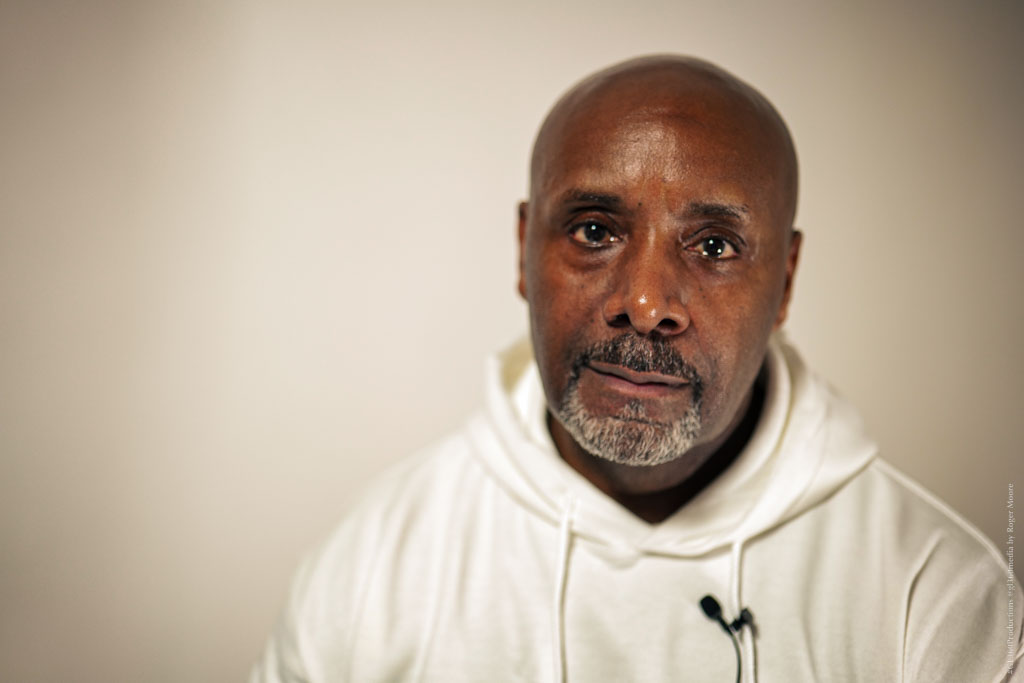
Born in Birmingham in 1960 to Jamaican parents, has an extensive history in music ministry, promotion, and community project leadership.
Louis Williams, a respected drummer and educator, shares a lifelong musical journey rooted in his Pentecostal upbringing in Willenhall and…
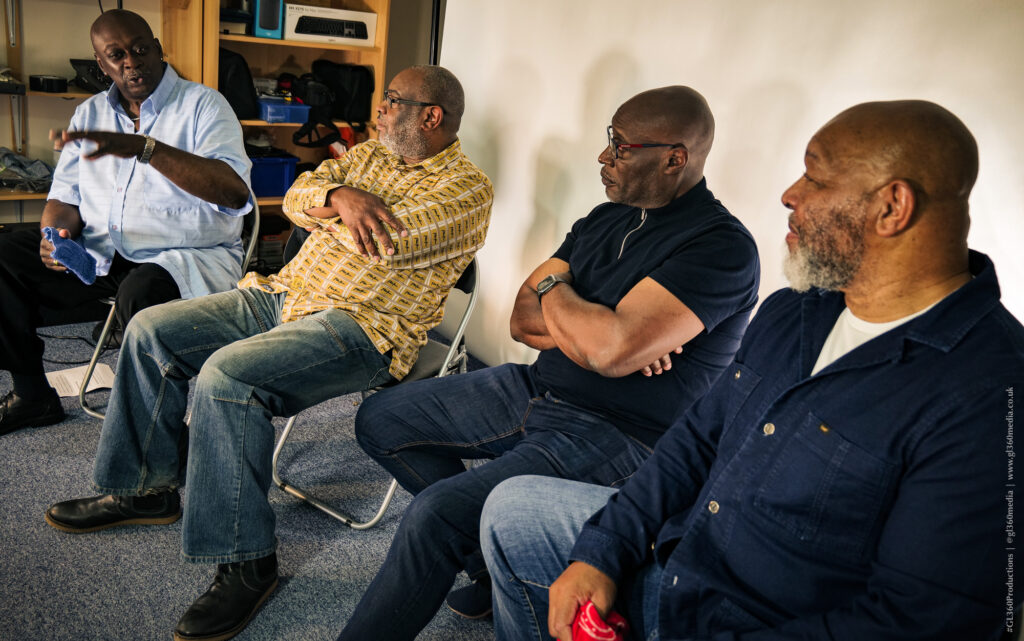
Alvin's bass journey began accidentally when his trombonist father bought a bass that "ended up with me playing it".
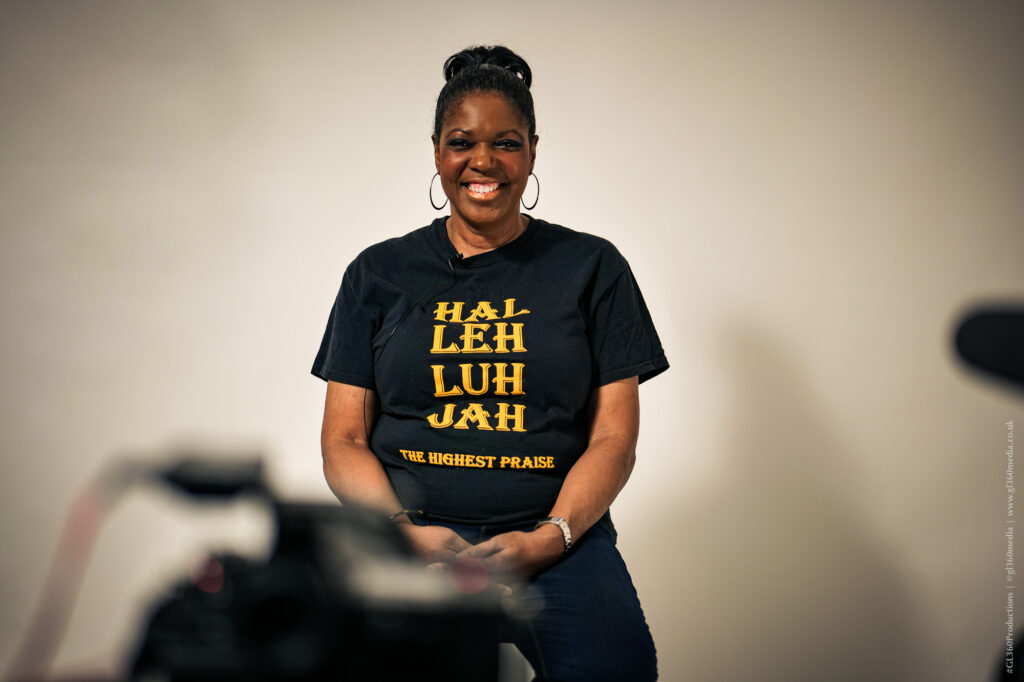
Maxine Brooks, born in Birmingham in 1964 to Jamaican parents, found her life's purpose in a Pentecostal church, leading to…

Celebrating the musical impact of the Windrush Generation in the West Midlands & Beyond