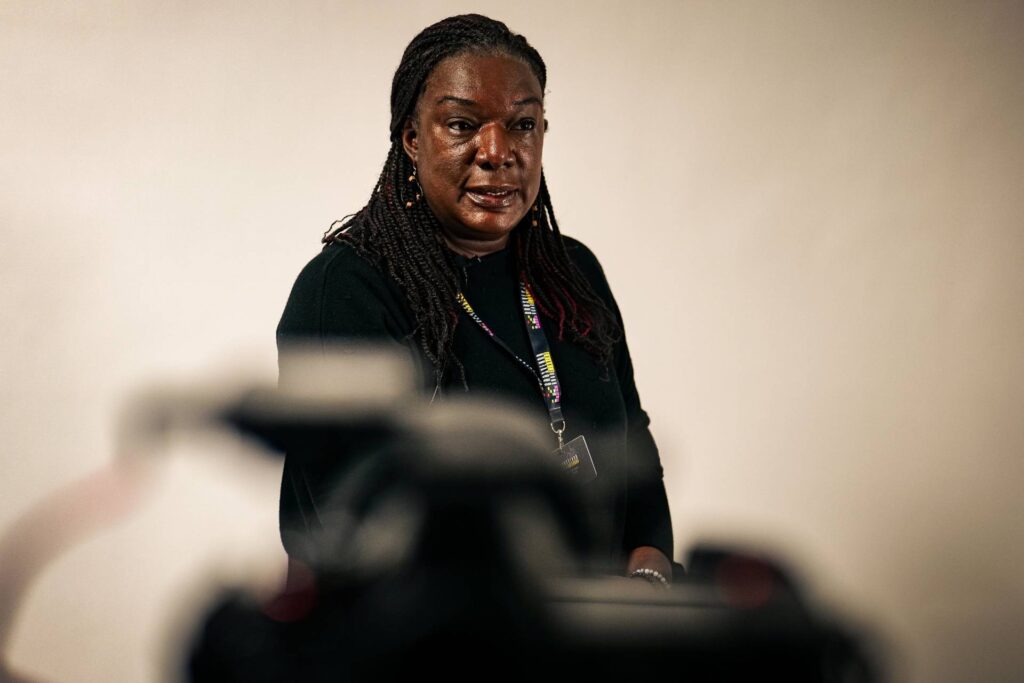
Her musical education began formally and informally; she participated in various church choirs and was profoundly influenced by her older brother, Eric, a classically trained pianist. Learning from him, Carol became the church pianist for many years, a role that also saw her gain the invaluable skill of reading music.
Beyond her primary church roles, Carol sang in a group called the Soul Lifters, which performed alongside notable contemporary Handsworth gospel acts like the Gospel Tellers—whose revolutionary “rock and sing” style in the nineteen seventies left an impression.
Carol’s career trajectory shifted while she worked as an arts administrator. A transformative moment came when she watched the American a cappella group, Sweet Honey in the Rock, in Liverpool. Realizing the absence of a similar group in the UK, and already having extensive experience as a backing vocalist for pop bands (like Level forty-two and UB40) while recording at Grosvenor Road Studios, she was inspired to form Black Voices, the renowned a cappella group.
Grosvenor Road Studios, a place of historical significance for the local music industry, became central to the group’s legacy. Recording Black Voices’ early a cappella albums there proved challenging due to the limited local expertise in recording voices, leading to much trial and error. However, in the late nineteen nineties, an unexpected opportunity arose, leading Black Voices to secure capital grants from the Arts Council and complete the acquisition of the studio by two thousand one. Carol views this purchase as “more by accident than design,” focused on “enabling people” by providing an affordable, high-quality space for Black artists and producers in Birmingham
During its peak, Black Voices toured globally, performing in major concert halls and generating the income needed for the studio’s upkeep. After their manager retired, Carol stepped in to ensure the building’s continued operation, recognizing its vital role in the community.
Carol reflects on her thirty-four-plus years with Black Voices as a journey of “tremendous highs.” Her early gospel inspirations included legends like Mahalia Jackson and Andre Crouch, but the most profound influence was Debbie Edmead of the Gospel Tellers, whose powerful and sincere rendition of Sandra Crouch’s “Take Me Back” left a lasting impression. Today, Carol is inspired by artists who “speak their truth through their voice.” Her deep voice is even attributed to her learning the cello, an instrument she plays alongside the saxophone.
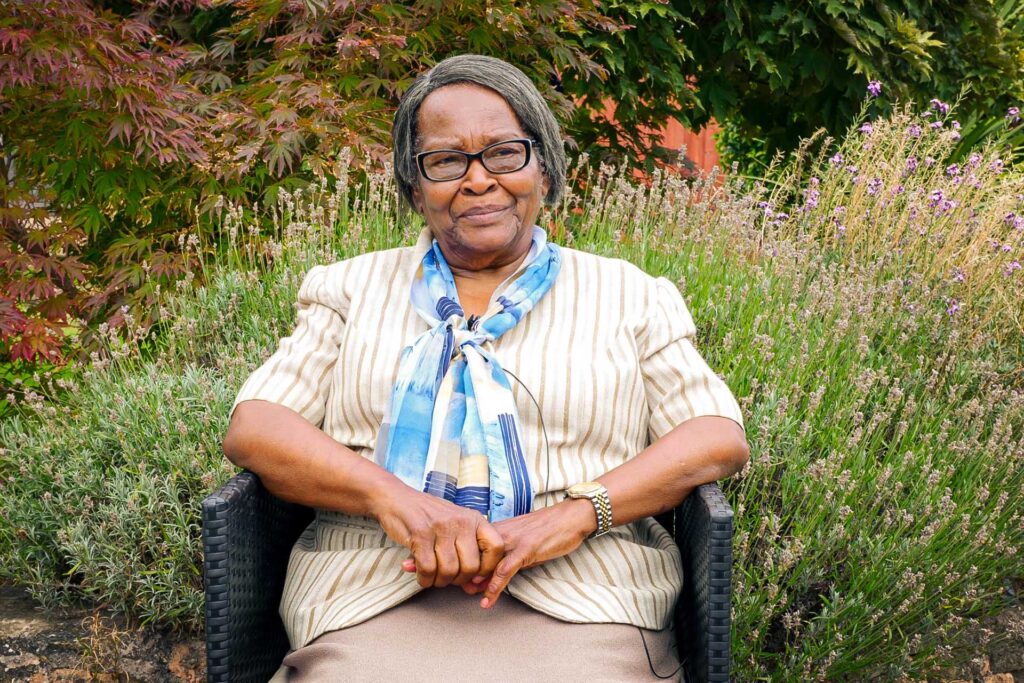
Born in Morgan's Pass, Clarendon, Jamaica, Sister McCalla demonstrated academic prowess, completing her sixth form and passing her first-year exams…
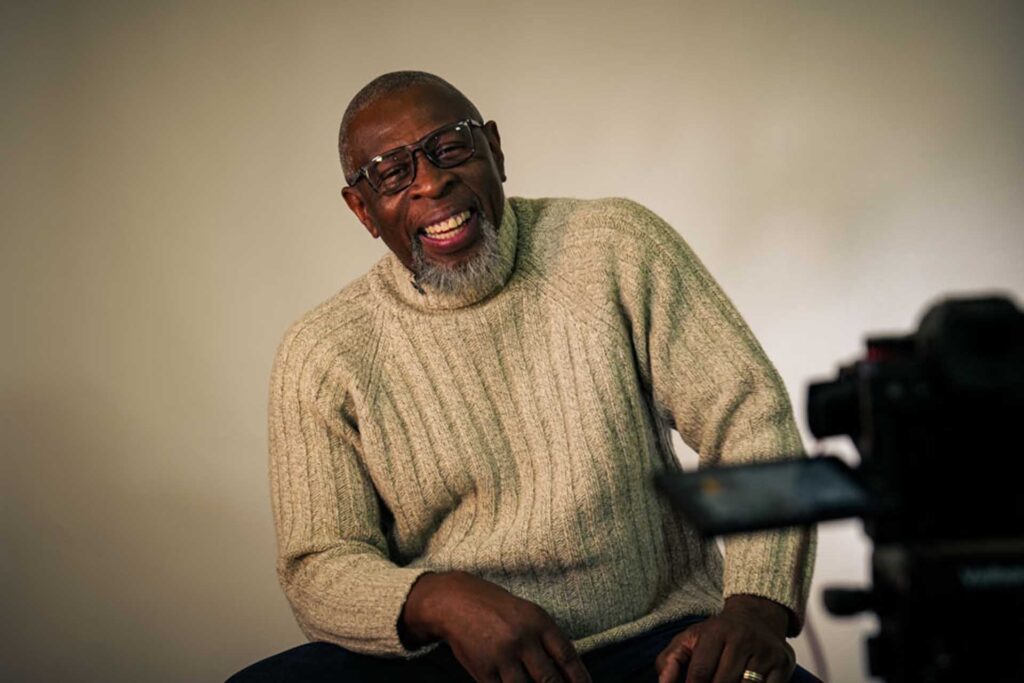
Raised in Moseley and Balsall Heath by Jamaican parents, George's early life was deeply rooted in the Church of God…
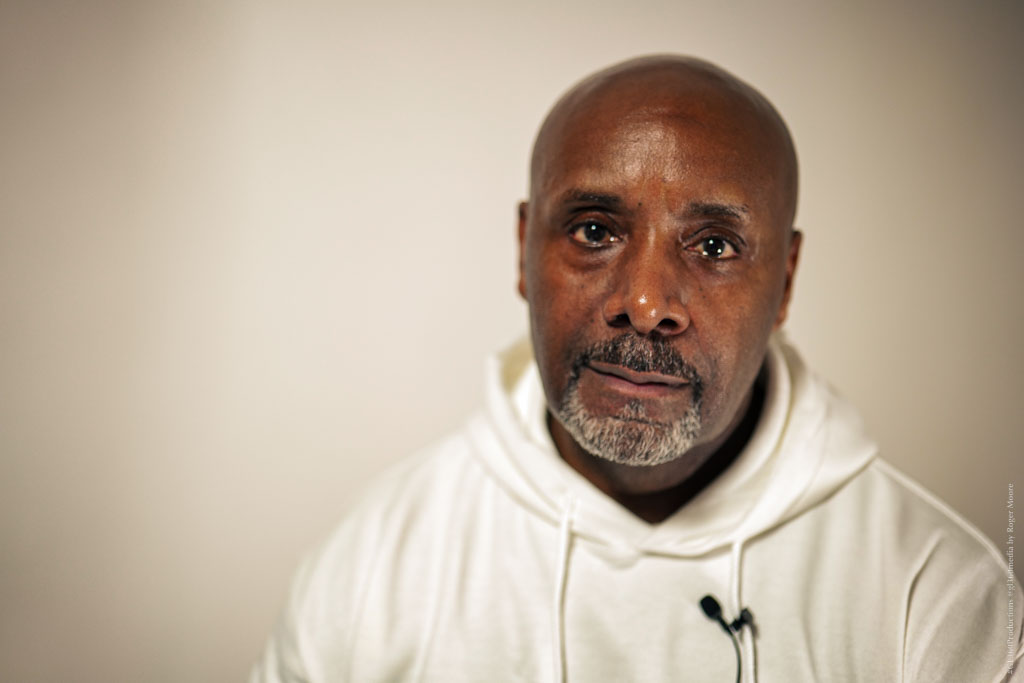
Born in Birmingham in 1960 to Jamaican parents, has an extensive history in music ministry, promotion, and community project leadership.
Louis Williams, a respected drummer and educator, shares a lifelong musical journey rooted in his Pentecostal upbringing in Willenhall and…
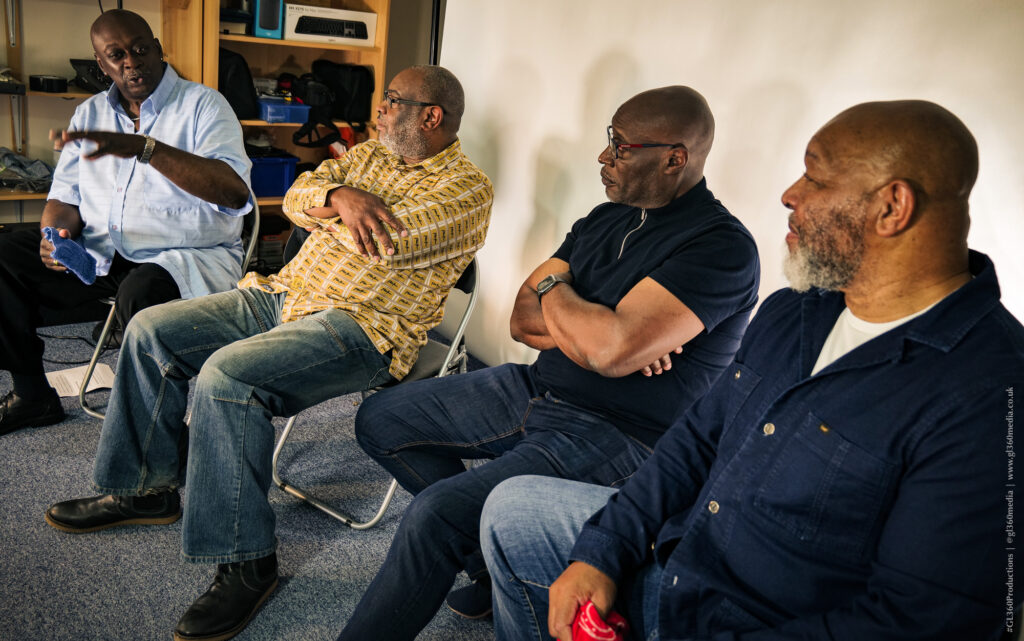
Alvin's bass journey began accidentally when his trombonist father bought a bass that "ended up with me playing it".
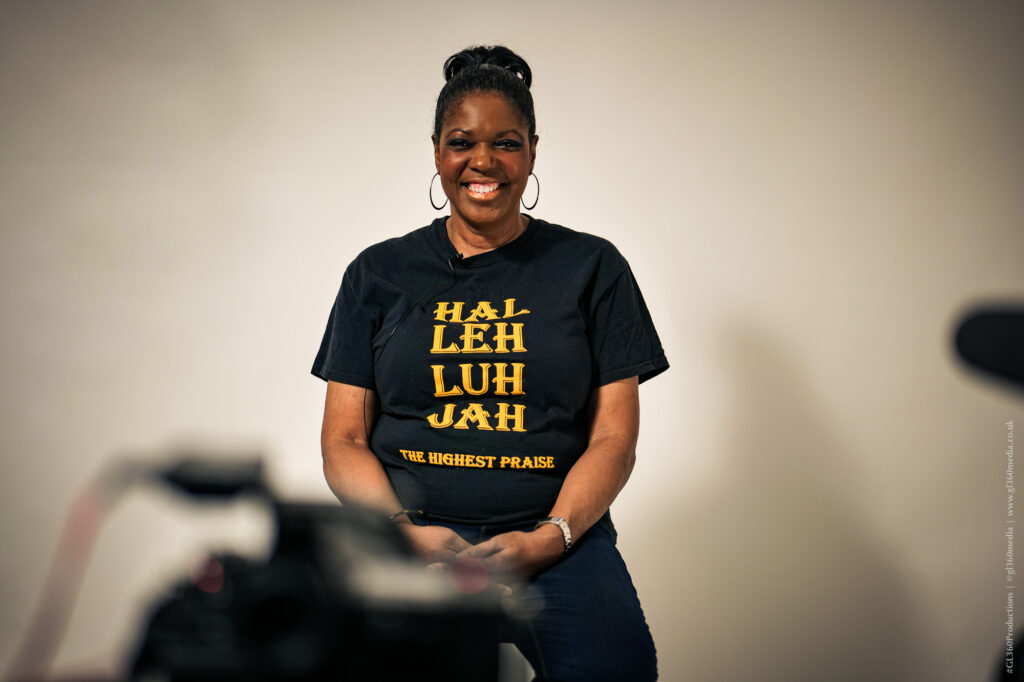
Maxine Brooks, born in Birmingham in 1964 to Jamaican parents, found her life's purpose in a Pentecostal church, leading to…

Celebrating the musical impact of the Windrush Generation in the West Midlands & Beyond