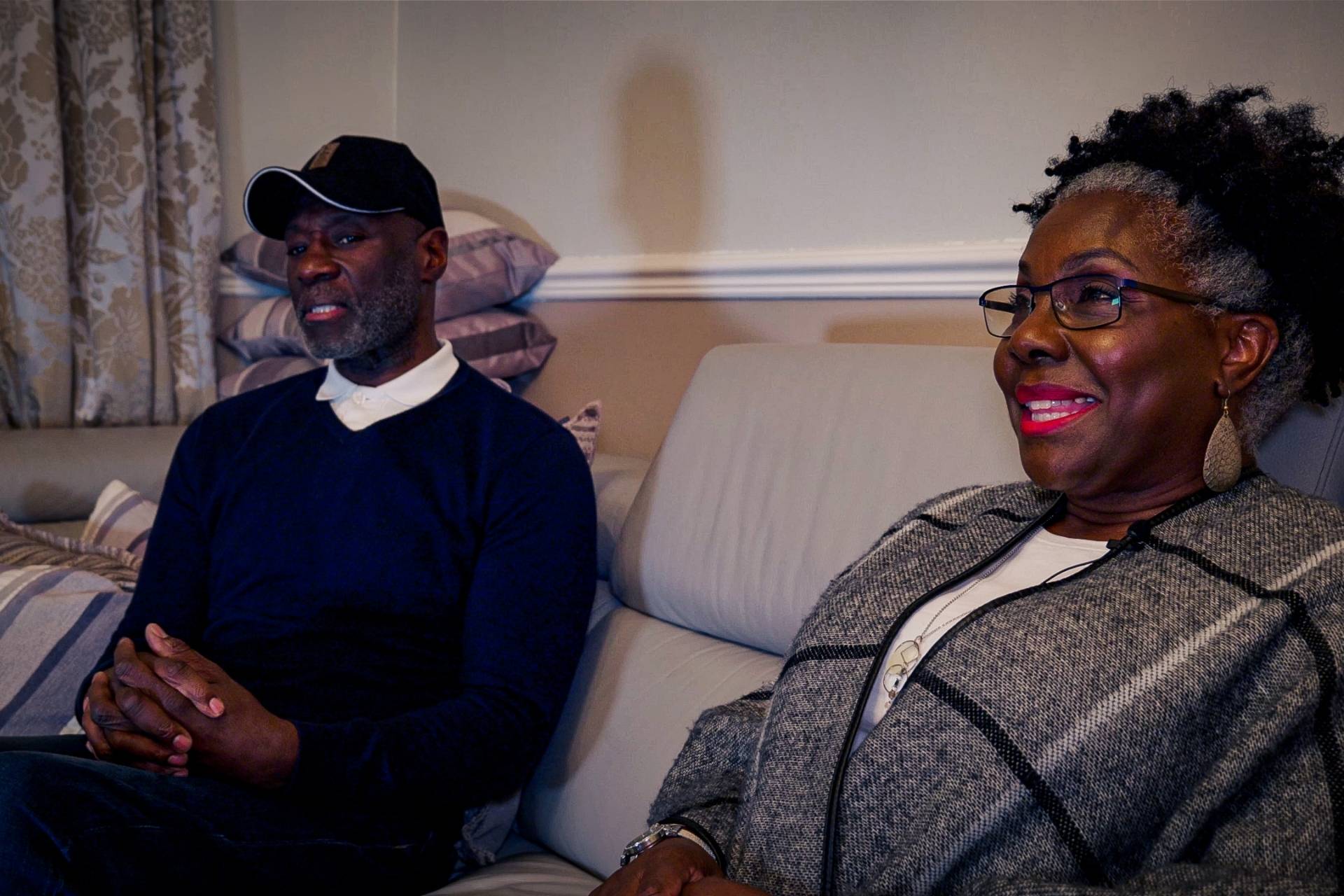
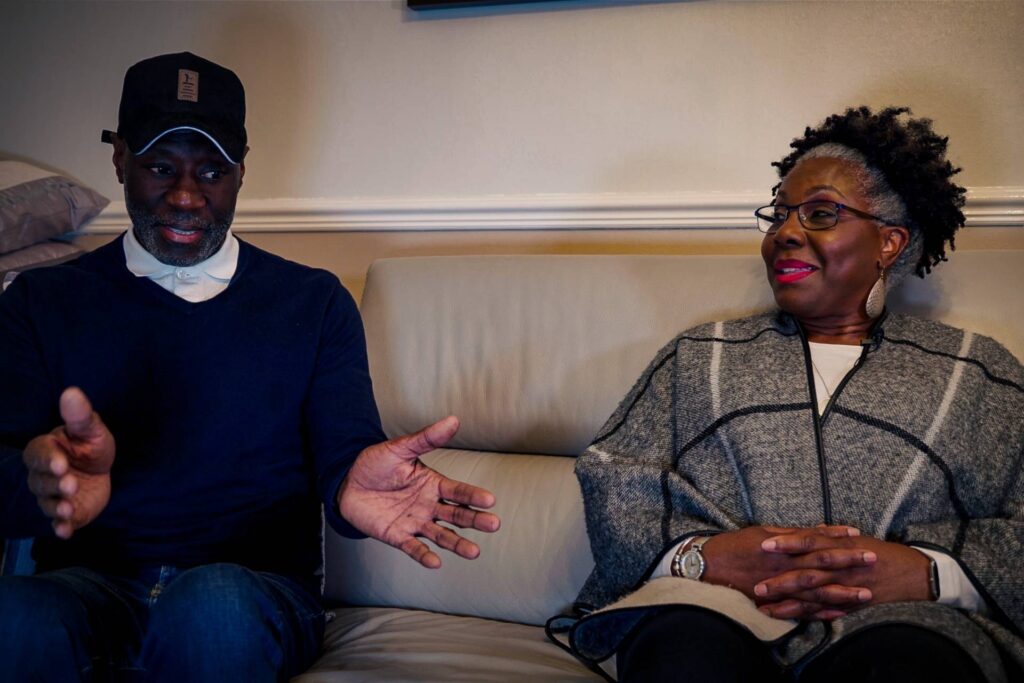
Lesburn Easie’s musical journey began around age 5 or 6 in a school hall church in Balsall Heath. He was inspired by a child prodigy, Wayne Williams, who masterfully played a six-string guitar at seven. Lesburn discovered his own drumming talent at 12 when asked to play spontaneously. Caribbean households emphasised musical ability for Sunday schools. Lesburn’s father taught him and his siblings to sing in harmony instinctively. Key influences included the Williams family, particularly R.C. Williams, who was the first person Lesburn knew who could read music. The George Street church was pioneering, being one of the first in the denomination to have a concert and a full band, including bass, drums, and rhythm guitar. The necessity of portable instruments in school halls due to the racism faced by the Windrush generation, who couldn’t worship in “nominal churches,” led to the prominence of electric instruments in black churches. Lesburn, Trevor, and Glenn Prince formed the “Shadow Band,” introducing contemporary elements to church music by “cross-pollinating the worldly beats with the songs,” which made music more engaging for young people and fostered healthy competition among districts.
Monica Anderson’s journey started in Wolverhampton, where her mother began a Sunday school. Monica became a song leader at 8 or 9, teaching choruses. She learned piano and to read music between ages of 8 and 12. Early musical influences included upbeat secular music like Millie Small and The Beatles, contrasting with traditional gospel. Andre Crouch’s arrival in the 1970s was “phenomenal” for young people, shifting from traditional hymns. Monica’s mother, a visionary, attracted youth by inviting children from the street to Sunday school, eventually leading to a church organised with eight members that grew to nearly 100, half of whom were young people.To raise funds, her mother organised concerts that charged admission, attracting wider audiences and necessitating skilled musicians like Trevor and his band (including Lesburn and Glenn). This collaboration enabled Monica’s choir to perform Walter Hawkins and Andre Crouch songs with a live band, creating an “awesome” sound, even leading to performances at Wolverhampton Town Hall.
Inspired by a 1977 trip to the Church of God of Prophecy General Assembly in America, Monica and Pat Womack envisioned a district-wide mass choir. This led to the Birmingham Mass Choir, Church of God of Prophecy, which peaked at 420 members. The choir performed at Birmingham Town Hall, appeared on TV, sang internationally, and recorded live albums. They were known for disciplined rehearsals, singing lesser-known material by artists like Timothy Wright and James Thompson, and even rearranging hymns or writing their own songs. The mass choir fostered friendships and broke down denominational barriers, collaborating with other choirs and raising funds for church buildings nationwide.
Both speakers acknowledge that their parents, of the Windrush generation, largely shielded them from direct racism. However, Monica recounted a personal experience of racism at age 5 or 6. The church served as a vital community, offering identity, purpose, and value, countering societal hostility.Parents instilled confidence, emphasising education and self-employment. The strong community, with frequent gatherings, provided a nurturing environment.
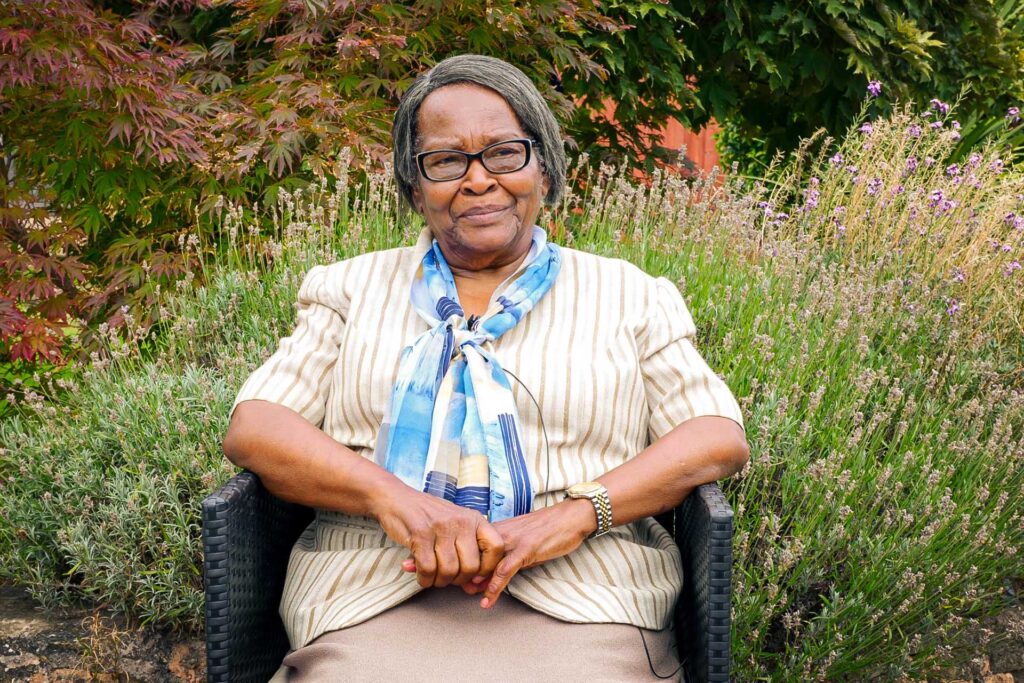
Born in Morgan's Pass, Clarendon, Jamaica, Sister McCalla demonstrated academic prowess, completing her sixth form and passing her first-year exams…

Raised in Moseley and Balsall Heath by Jamaican parents, George's early life was deeply rooted in the Church of God…
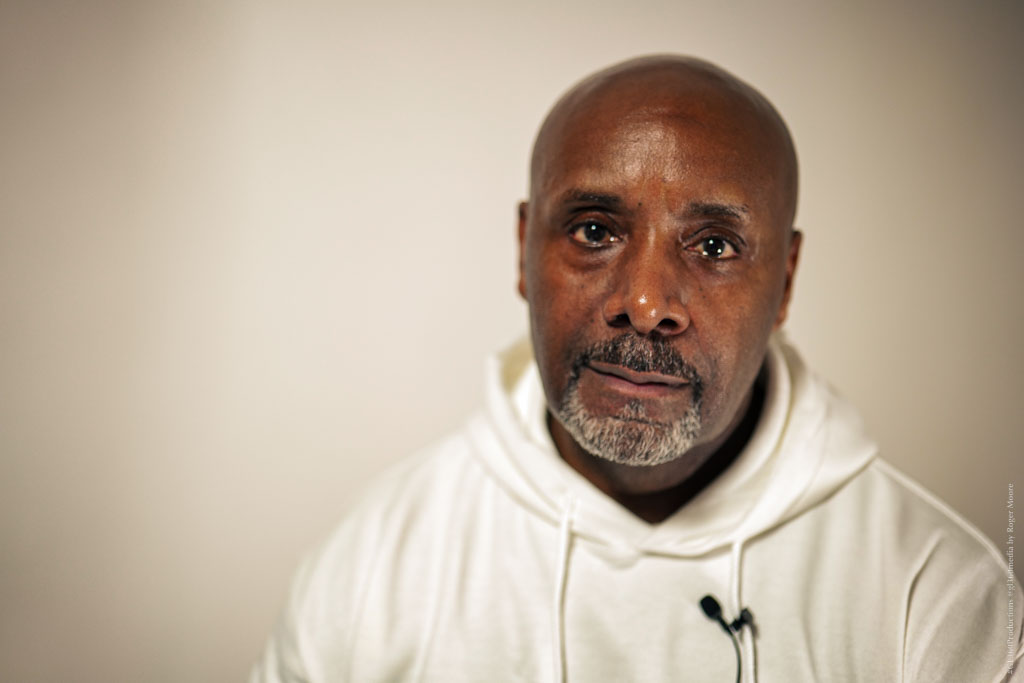
Born in Birmingham in 1960 to Jamaican parents, has an extensive history in music ministry, promotion, and community project leadership.
Louis Williams, a respected drummer and educator, shares a lifelong musical journey rooted in his Pentecostal upbringing in Willenhall and…
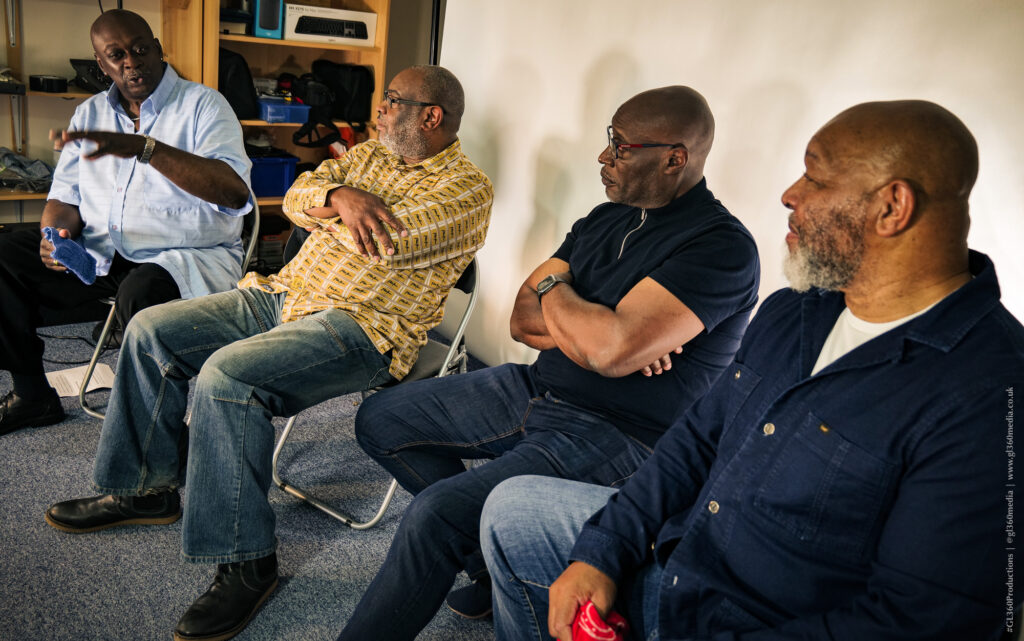
Alvin's bass journey began accidentally when his trombonist father bought a bass that "ended up with me playing it".
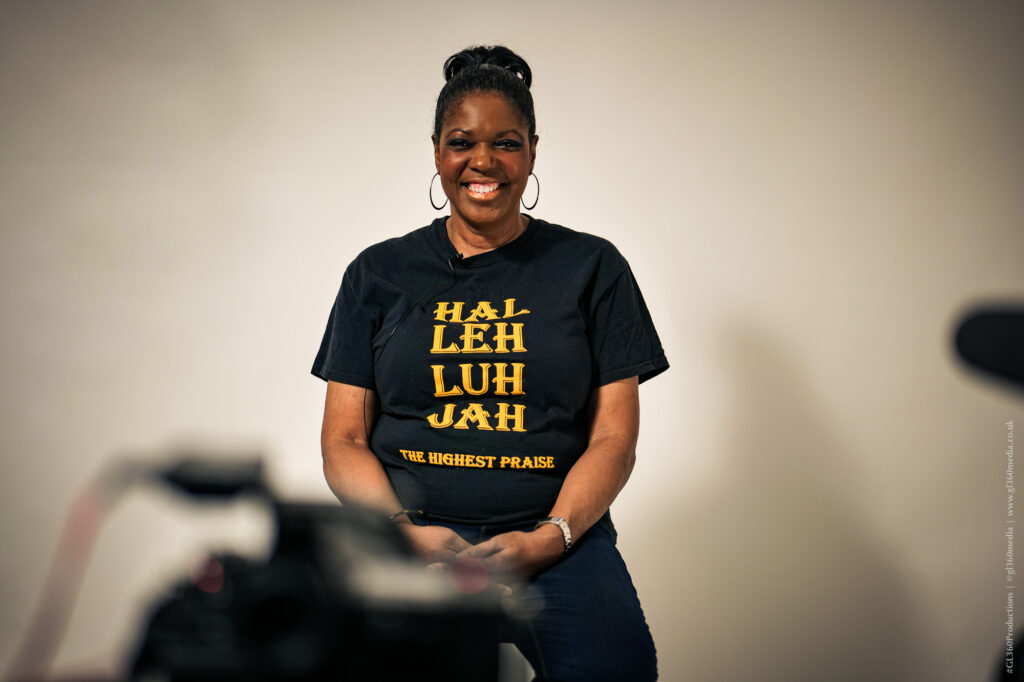
Maxine Brooks, born in Birmingham in 1964 to Jamaican parents, found her life's purpose in a Pentecostal church, leading to…

Celebrating the musical impact of the Windrush Generation in the West Midlands & Beyond