Carlton Powell

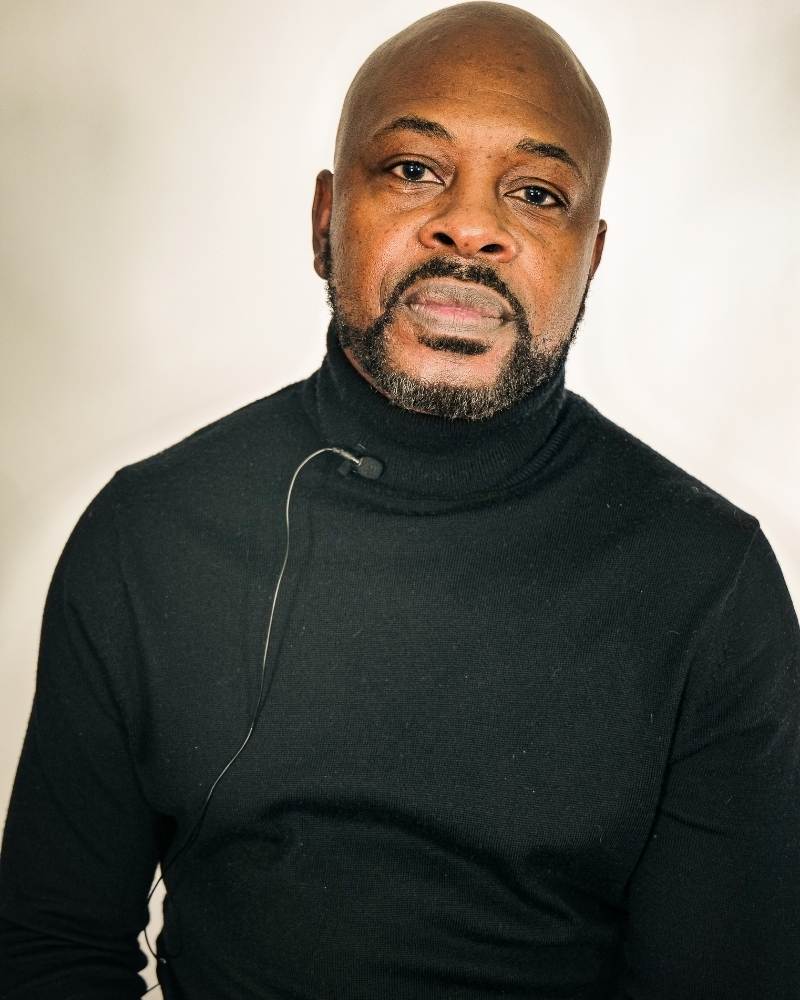
Carlton Powell, born in Chesterfield, Derbyshire, to Jamaican Windrush parents, recounts his musical journey shaped by faith and evolving into a diverse professional career.

His musical interest sparked from his pastor father, who taught him basic guitar chords. With instruments at home, Carlton taught himself bass guitar and, around age 12, the upright piano. He honed his skills by meticulously rewinding tapes to learn chords and progressions from gospel artists like The Winans and Leon Patillo. His early church band lacked drums, relying on tambourines, handclaps, and foot-tapping for rhythm.
Moving to Birmingham expanded Carlton’s musical horizons. He met Paul Reed through the Lumen Christi project in the late 80s/early 90s. Paul became a significant mentor, taking Carlton “under his wing” and demonstrating a “rare skill” in eliciting the best from musicians. Paul invited Carlton to the Church of God of Prophecy’s Mansfield Road church, a “very famous church in Birmingham,” where he developed his keyboard skills alongside musicians like Joseph Ross, Paul Ross, and Julian Chambers. He also played with early groups such as Plain Truth and Wesley.

Carlton’s involvement with “The Well,” a gospel platform led by Beresford, was pivotal. As part of its house band, he rapidly advanced his playing ability and experience through frequent performances.

His “first real professional gig” was with Edwin Starr, which was an “education in terms of performance”. Starr’s unconventional method of calling songs on the fly and using hand signals demanded telepathic connection within the band, making subsequent gigs with set lists feel like a “luxury”.

Influenced by gospel greats like Mahalia Jackson and Edwin Hawkins, Carlton learned by ear from records and tapes in an era before digital music. His interest in sounds led him to synthesisers, notably the Roland D-50, influenced by The Winans. His motivation to play stemmed purely from a love of music, not from performance or financial ambition, a passion he believes is crucial for aspiring musicians.

Carlton notes gospel music’s evolution, incorporating secular sounds and benefiting from technological advancements like “better sounds” and “bigger drum sounds”. He attributes contemporary gospel’s diverse influences to increased musical exposure.

His piano career was largely self-taught by ear, playing bass lines with his left hand and chords with his right when no bassist was present. Classical piano lessons later improved his discipline, though he remains primarily an ear player, valuing the combination of both approaches.

He enjoys working with the Town Hall Gospel Choir, praising Colin Anderson's direction and the choir's high discipline, which elevates the musicianship of its members.

// Featured in

Sis McCalla

Born in Morgan's Pass, Clarendon, Jamaica, Sister McCalla demonstrated academic prowess, completing her sixth form and passing her first-year exams…

George Lawson-Bennett (AKA DJ Zorro)

Raised in Moseley and Balsall Heath by Jamaican parents, George's early life was deeply rooted in the Church of God…
Beresford Dawkins

Born in Birmingham in 1960 to Jamaican parents, has an extensive history in music ministry, promotion, and community project leadership.

Louis Williams

Louis Williams, a respected drummer and educator, shares a lifelong musical journey rooted in his Pentecostal upbringing in Willenhall and…
Raymond Grant, Wayne Williams, Glenn Prince & Alvin Ewen

Alvin's bass journey began accidentally when his trombonist father bought a bass that "ended up with me playing it".
Maxine Brooks

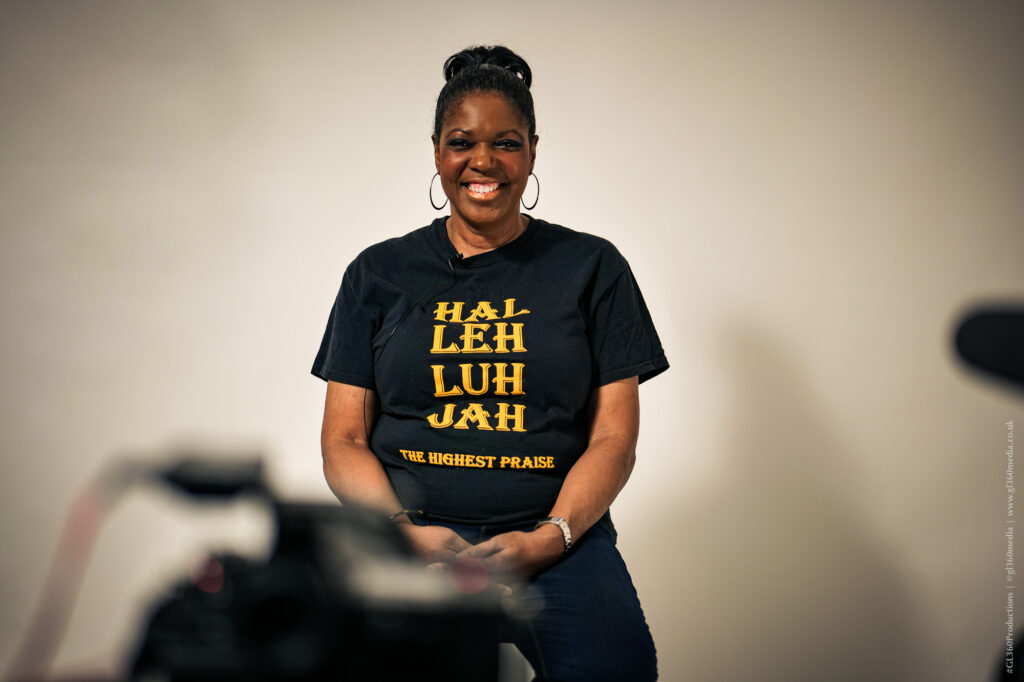
Maxine Brooks, born in Birmingham in 1964 to Jamaican parents, found her life's purpose in a Pentecostal church, leading to…


Celebrating the musical impact of the Windrush generation in the West Midlands.

Recounted. All rights reserved. ©Gospel Link Media CIC.

Celebrating the musical impact of the Windrush Generation in the West Midlands & Beyond