They attribute their foundational values, particularly character, to their mothers’ influence, and credit the church for providing the platform to develop public speaking and presentation skills from a young age. Donald humorously recalls being nicknamed “Jesus” by elders despite his mischievous antics with Clive. Their shared comedic talent was discovered at a “penny concert” in a youth hall.
Their foray into comedy within the church initially met strong disapproval, with one elder even claiming “comedians won’t go to heaven.” Despite this, they persevered, driven by the church’s desire for clean comedy, and their impromptu Christmas act was a “storm,” successfully making the critical elder laugh. They view this conflict as a challenge to rigid “conditional mindsets” within the church that make unbiblical assumptions about various activities. They strongly advocate for pursuing God-given passions, believing talent should not be left undiscovered.
Their comedy evolved over 40 years from relying on costumes to specializing in observational humor and spontaneous audience interaction, boasting minimal rehearsal. They also enjoyed playfully provoking musicians from the stage, fostering a lively atmosphere.
Clive, in particular, pursued his passion for art and sculpture, which was also initially “frowned upon” in church due to misconceptions about “graven images.” He recalls a pivotal moment at age 14 when a white teacher, Mr. North, recognized his exceptional talent, telling him he had “more talent in his little finger” than North had in his whole body. This external encouragement significantly boosted his confidence, contrasting with the lack of support from some in his own church. Clive’s later achievements, including becoming a world and European champion in track and field despite severe asthma, exemplify his belief in pursuing God-mandated passions without limits.
They emphasize the crucial importance of mentorship and passing on knowledge. Donald highlights Clive as his “all time hero,” demonstrating that “real live heroes are right next to you.” They lament that many talented young people leave the church because their gifts are not recognized, unlike their own experience where they found support from other churches when their own discouraged them. Their experiences, including Clive’s impromptu sermon to thousands in America, underscore the foundational skills gained from the church platform. They advocate for proper financial support and recognition of Christian artists, urging organizers to “celebrate them and let them feel as though it is an honour for you to have them come.”
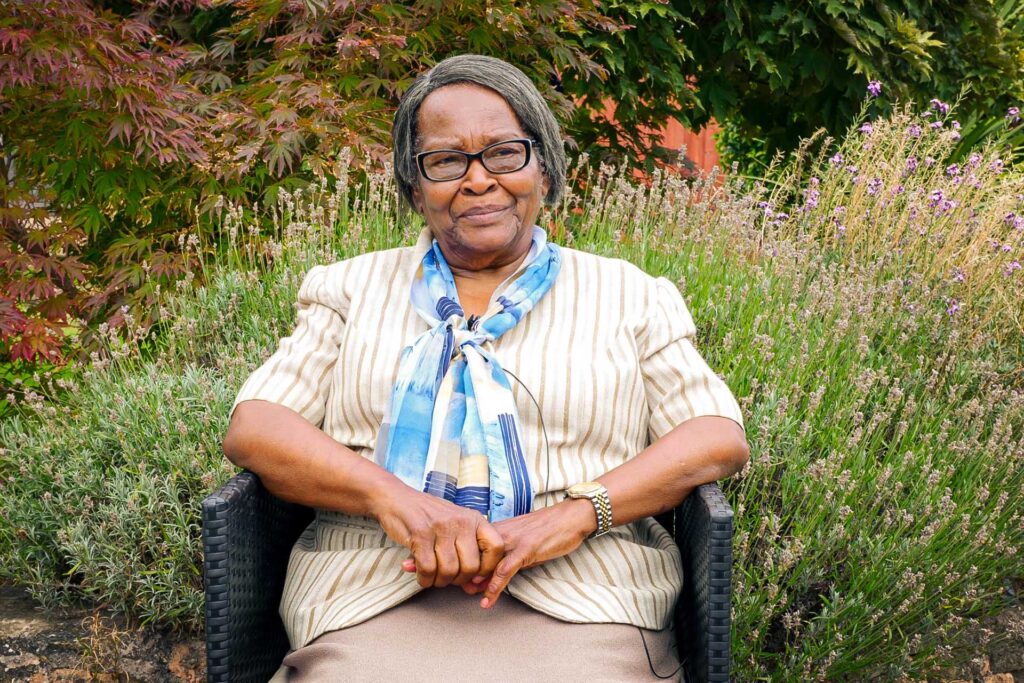
Born in Morgan's Pass, Clarendon, Jamaica, Sister McCalla demonstrated academic prowess, completing her sixth form and passing her first-year exams…
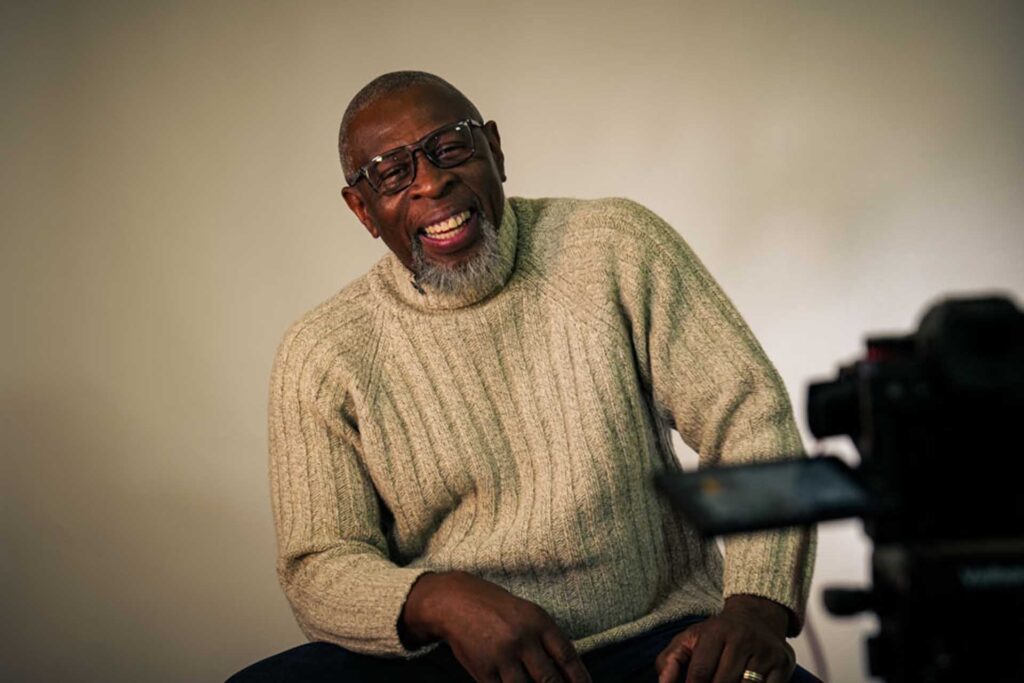
Raised in Moseley and Balsall Heath by Jamaican parents, George's early life was deeply rooted in the Church of God…
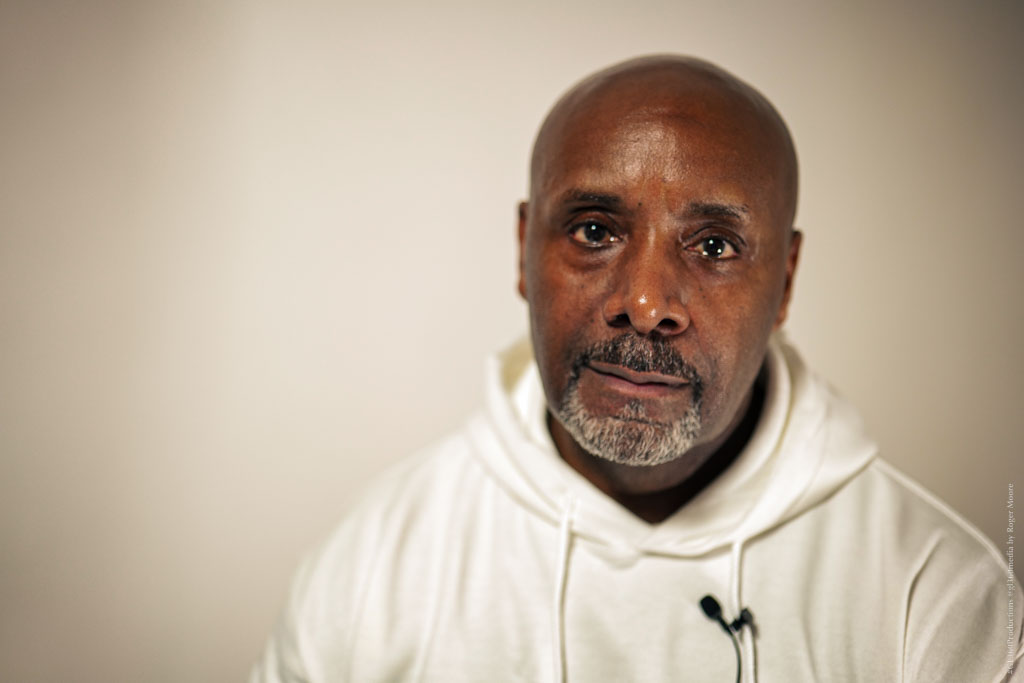
Born in Birmingham in 1960 to Jamaican parents, has an extensive history in music ministry, promotion, and community project leadership.
Louis Williams, a respected drummer and educator, shares a lifelong musical journey rooted in his Pentecostal upbringing in Willenhall and…
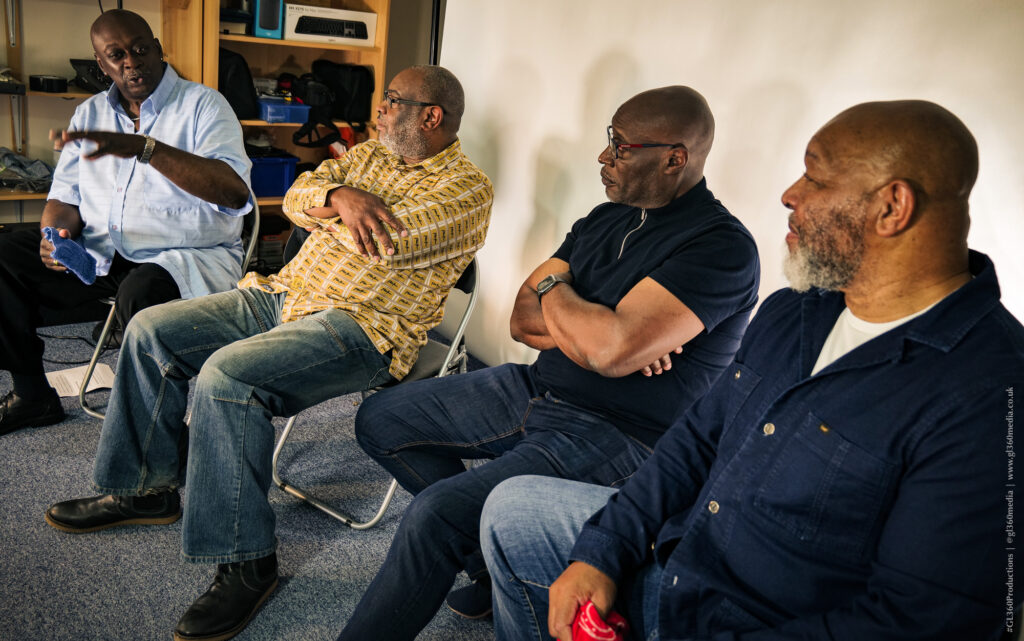
Alvin's bass journey began accidentally when his trombonist father bought a bass that "ended up with me playing it".
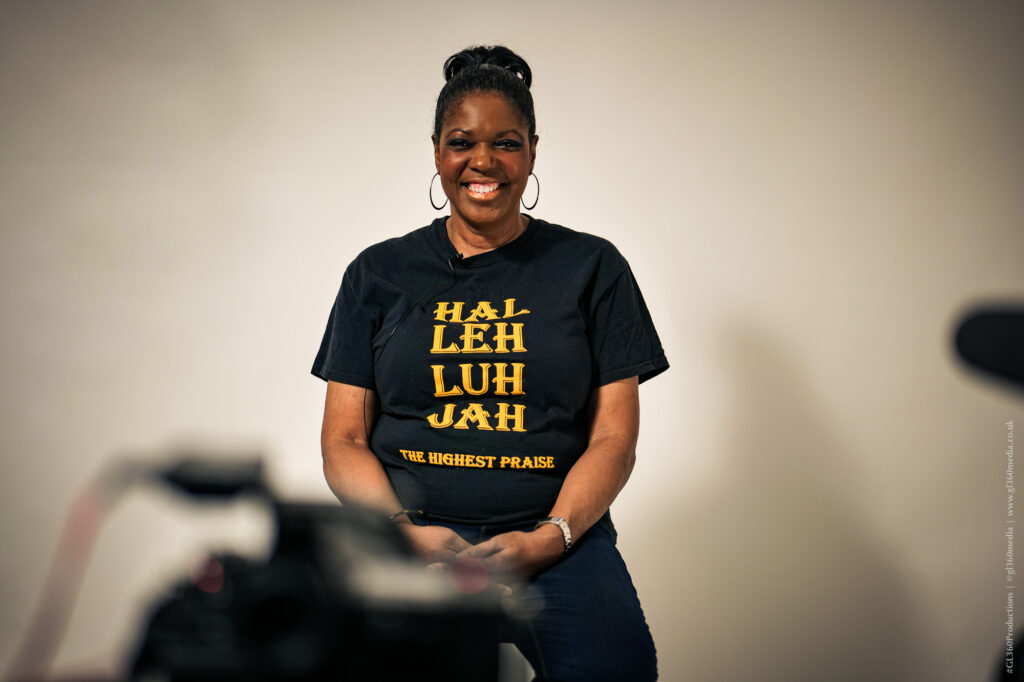
Maxine Brooks, born in Birmingham in 1964 to Jamaican parents, found her life's purpose in a Pentecostal church, leading to…

Celebrating the musical impact of the Windrush Generation in the West Midlands & Beyond