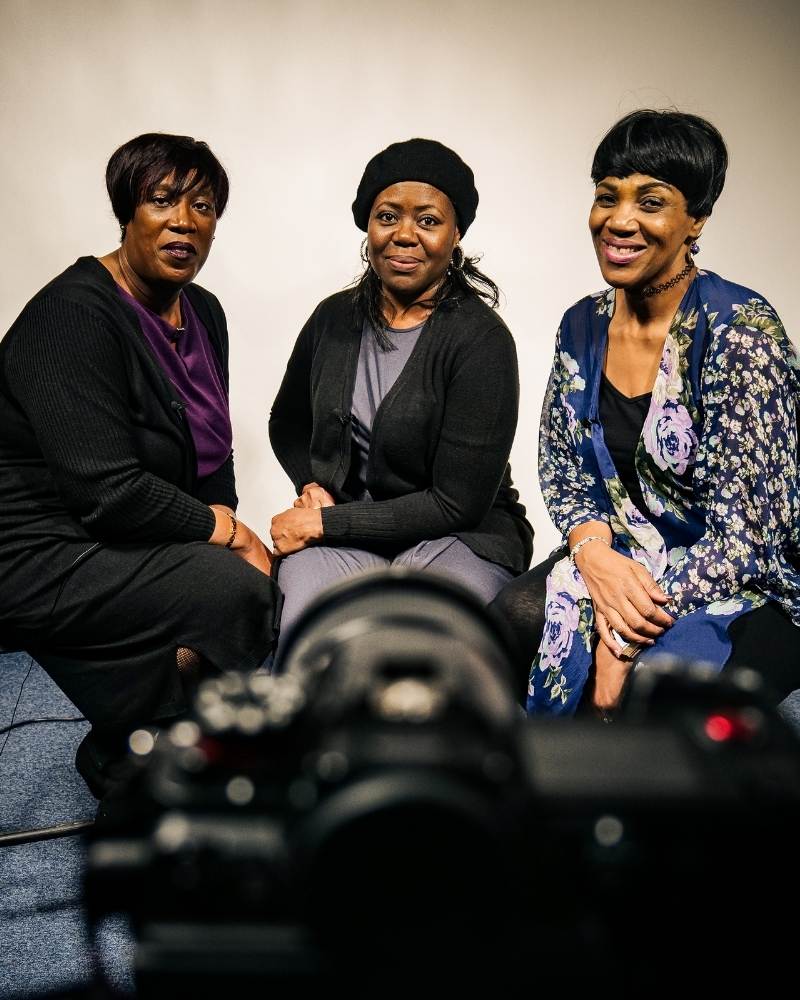
Their childhoods were saturated with music; family members played instruments, and early influences included country and western artists like Pat Boone and Cliff Richard, alongside singing in school assemblies, where Audrey discovered her alto voice. Diane quickly evolved into a worship leader.
Their ministry began with the Young Missionary Workers Band (YMWB) choir, which fostered constant singing at church events. In Handsworth, black trailblazers such as the Gospel Tellers and Pilgrim Sisters inspired the formation of youth groups like Living Waters and Heavenly Seekers.
The group that would become “Wesley” (intentionally spelled with a ‘Z’ to reference their Wesleyan heritage) formed around 1981, seeking a “more grown up” vocal sound. They were influenced by major American gospel artists like Andre Crouch, The Winans, and the Clark Sisters, as well as local groups like Maxine and the Majestics. Danessa and Diane initiated the group, inviting others, including the initially reluctant but talented Ephraim Lewis. Despite some skepticism from their own denomination, they gained strong support from the Church of God of Prophecy, particularly at Aberdeen Street. They became known for their versatile performances, often sung a cappella, and amassed a database of musicians eager to collaborate.
The group performed on the “Gospel Train” TV show and auditioned for “People Get Ready.” They listened to a wide range of music, including Chic and Michael Jackson, even noting that elders secretly enjoyed secular basslines during church services.
“Wesley” faced a significant obstacle when their own church leaders prevented them from performing in Germany with Shiloh Pentecostal, a decision they still don’t understand, highlighting internal resistance to external collaborations. Donessa reflects that the only barriers they experienced were internal to their own church leadership, not racial ones, though she notes that their parents’ generation was overprotective due to the immense racism they had faced establishing the black church in the UK.
Donessa recalls subtly incorporating “extra bits” into traditional hymns, which was considered “adventurous.” She describes the shift from organs to guitars and pianos in worship as “painstakingly slow.” The late evening youth meetings, however, were characterized by vibrant “chorus sessions” and spontaneous “jams” among musicians. She tragically recalled that Ephraim Lewis, a “phenomenon” and “ahead of his time,” tragically died after signing a deal with Elektra, which served as a poignant lesson about staying in “the will of God.”
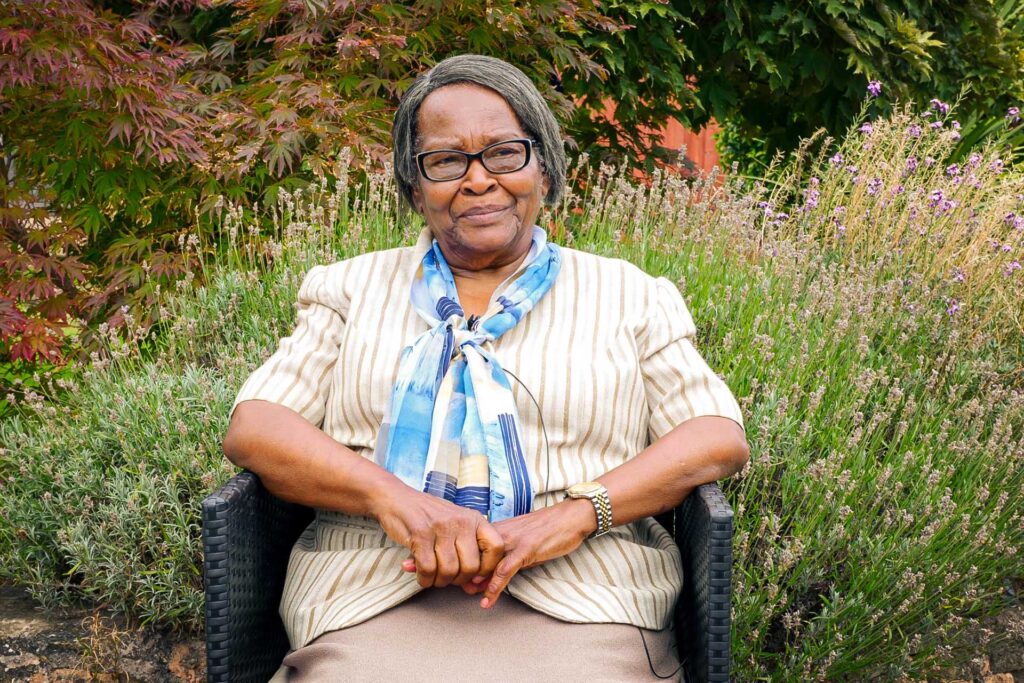
Born in Morgan's Pass, Clarendon, Jamaica, Sister McCalla demonstrated academic prowess, completing her sixth form and passing her first-year exams…
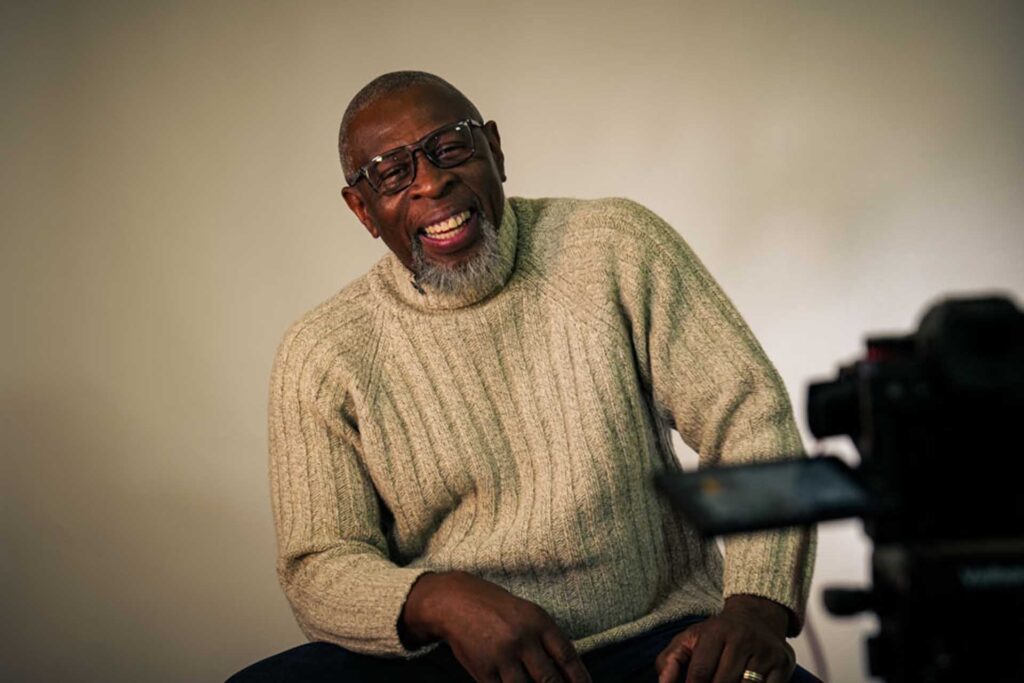
Raised in Moseley and Balsall Heath by Jamaican parents, George's early life was deeply rooted in the Church of God…
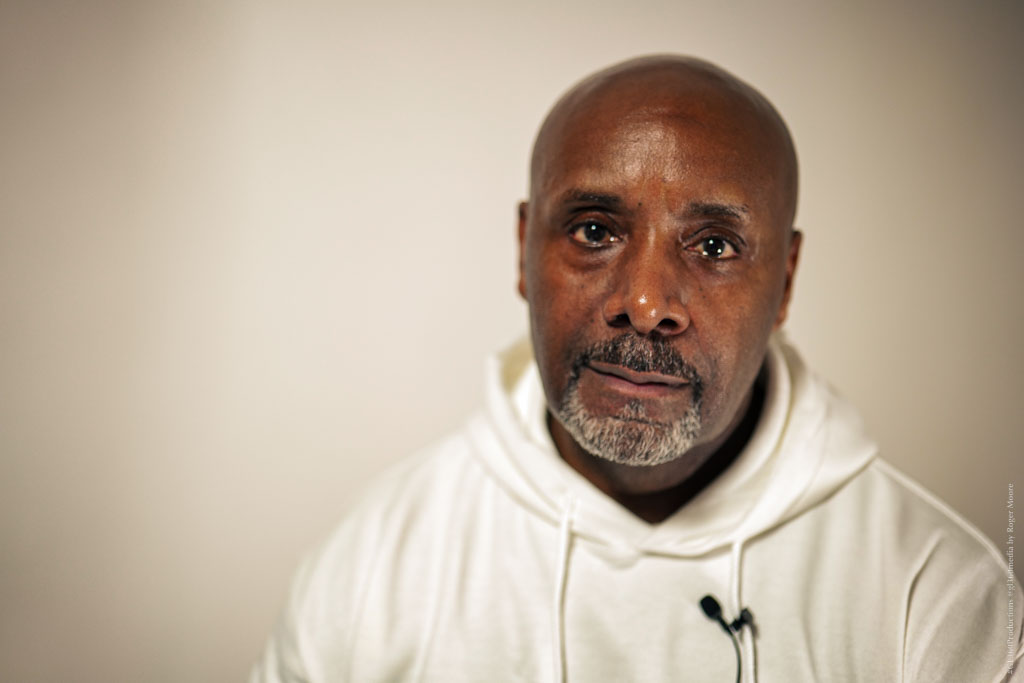
Born in Birmingham in 1960 to Jamaican parents, has an extensive history in music ministry, promotion, and community project leadership.
Louis Williams, a respected drummer and educator, shares a lifelong musical journey rooted in his Pentecostal upbringing in Willenhall and…
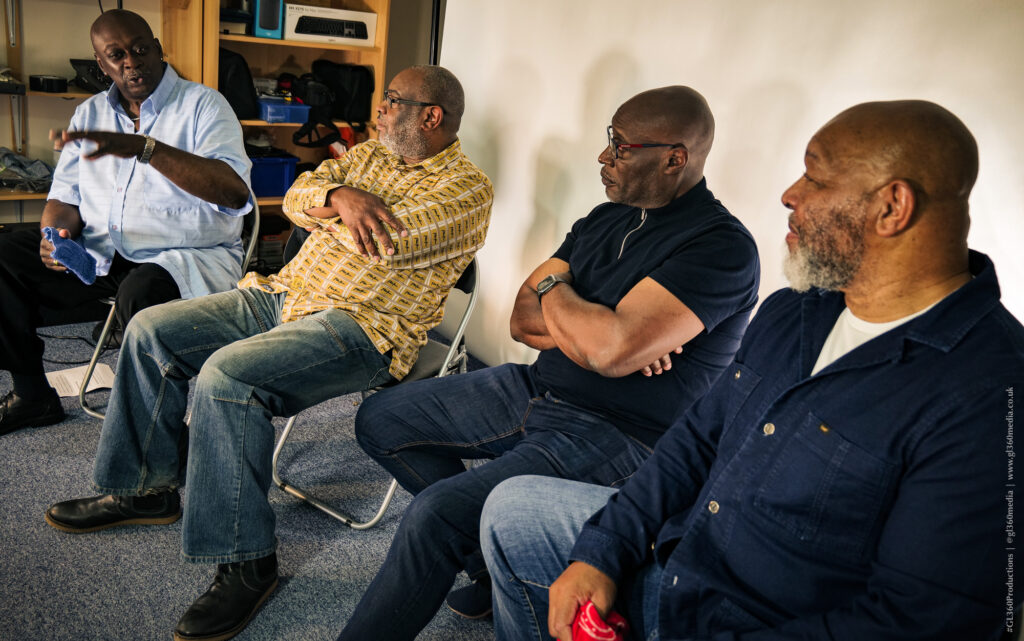
Alvin's bass journey began accidentally when his trombonist father bought a bass that "ended up with me playing it".
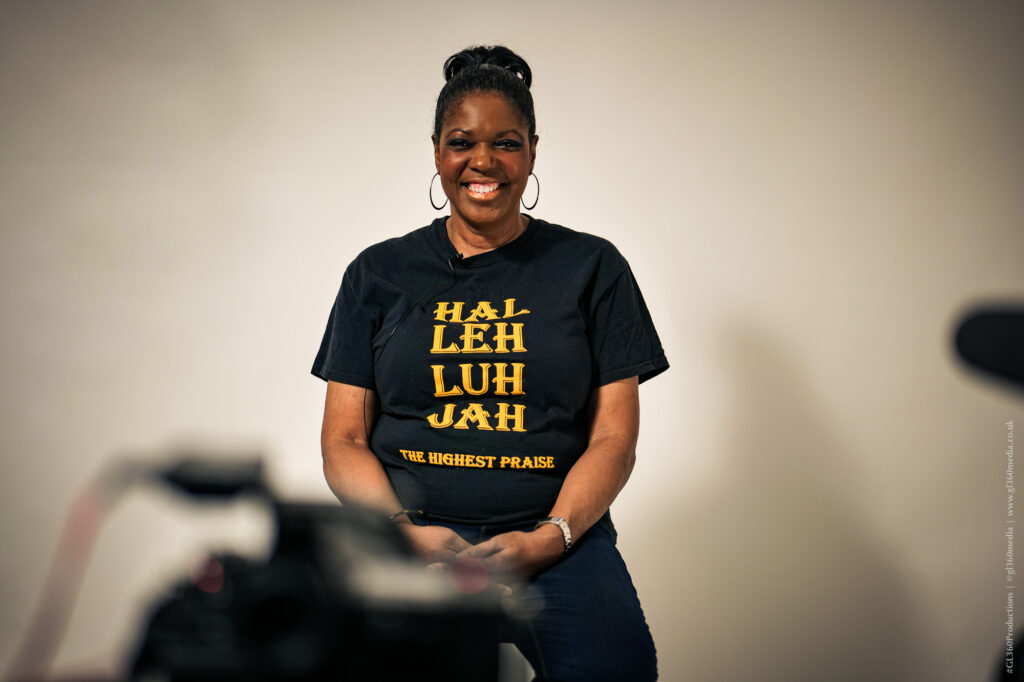
Maxine Brooks, born in Birmingham in 1964 to Jamaican parents, found her life's purpose in a Pentecostal church, leading to…

Celebrating the musical impact of the Windrush Generation in the West Midlands & Beyond