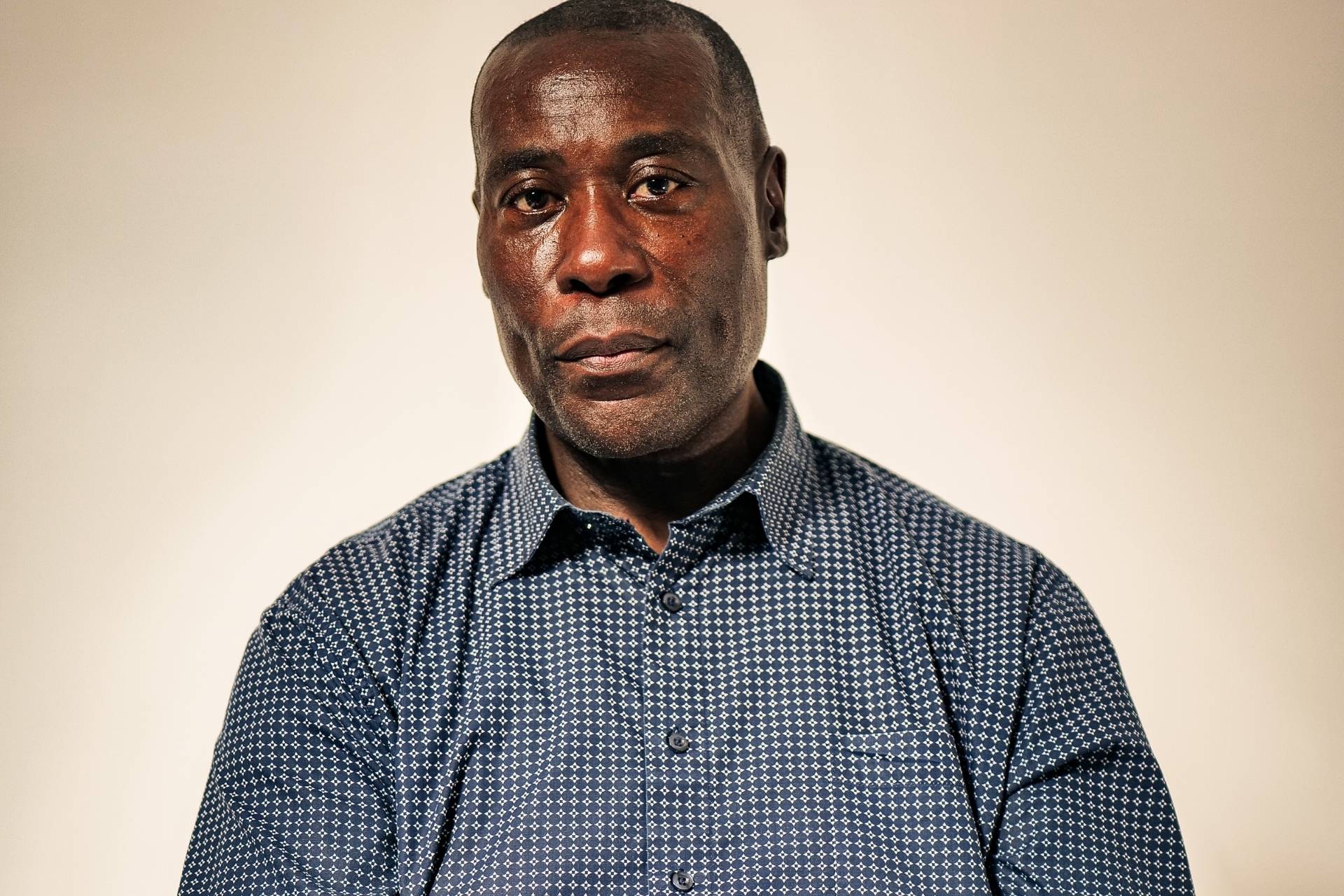
Foz’s early influences were diverse, ranging from Jim Reeves in his childhood home to jazz and George Benson in his teenage years, later embracing artists like Nile Rodgers of Chic.
His own musical path began with guitar, but at his father’s new church in Saltley, a lack of musicians led him to spontaneously jump on the drums at age nine or ten, surprising everyone. While self-taught, he advocates for formal music education, believing it enhances understanding and proficiency.
A pivotal shift occurred at age twenty when he decided to fully pursue music, studying A-level music and drama at Sutton College. He joined a college band, playing guitar, and later met Andi and Anthony, with whom he performed shows. A significant opportunity arose when he was invited to join Beshara, a band with a record deal with Stiff Records, known for punk acts like The Pogues. At twenty-one, he signed this deal, performing gigs and even starring in a play, “Marjorie and the Preacher Man,” with John Rhys-Davies.
He later toured Africa for five to six years with reggae artist Ijahman Levi, performing in stadiums before twenty thousand to thirty thousand people in Gambia, Senegal, and Zimbabwe. He also worked with other bands like Jem (soul), Bitty McLean, and Precious Wilson (lead singer of Boney M), and was part of Foundations until an injury forced him to stop playing in two thousand seventeen.
Foz recalls a particular struggle: balancing his musical passion with the church’s traditional views. His early band, whose music was “chic ish” and jazz-influenced, faced criticism for sounding “devil music.” He personally grappled with the notion that sacred and secular music shouldn’t mix, citing arguments with other musicians who saw secular gigs as “just a job.” Foz emphasizes his personal conviction not to compromise his principles, refusing to engage in drug use or performances that conflicted with his faith, even losing a tour opportunity over it. He also expresses concern over “scandals” and “jealousies” within the gospel industry.
A poignant reflection involves his realization that many “Rasta man” artists he toured with were not truly adhering to their declared principles off stage. He celebrates the Lewis brothers from Wolverhampton, likening them to the Jackson Five, particularly Ephraim, a “great singer” whose tragic death in LA, allegedly at the hands of police, profoundly impacted him.
Foz continues to advocate for black people to “progress and take back their rightful throne in terms of leadership,” believing they are “kings and queens.” He criticizes the ingrained racism evident even within the black community, where a black company owner was expected to do manual labor alongside white employees. He champions networking and mutual support among black artists, praising vocalists like Carol Riley and Priscilla Jones.
Born in Morgan's Pass, Clarendon, Jamaica, Sister McCalla demonstrated academic prowess, completing her sixth form and passing her first-year exams…
Raised in Moseley and Balsall Heath by Jamaican parents, George's early life was deeply rooted in the Church of God…
Born in Birmingham in 1960 to Jamaican parents, has an extensive history in music ministry, promotion, and community project leadership.
Louis Williams, a respected drummer and educator, shares a lifelong musical journey rooted in his Pentecostal upbringing in Willenhall and…
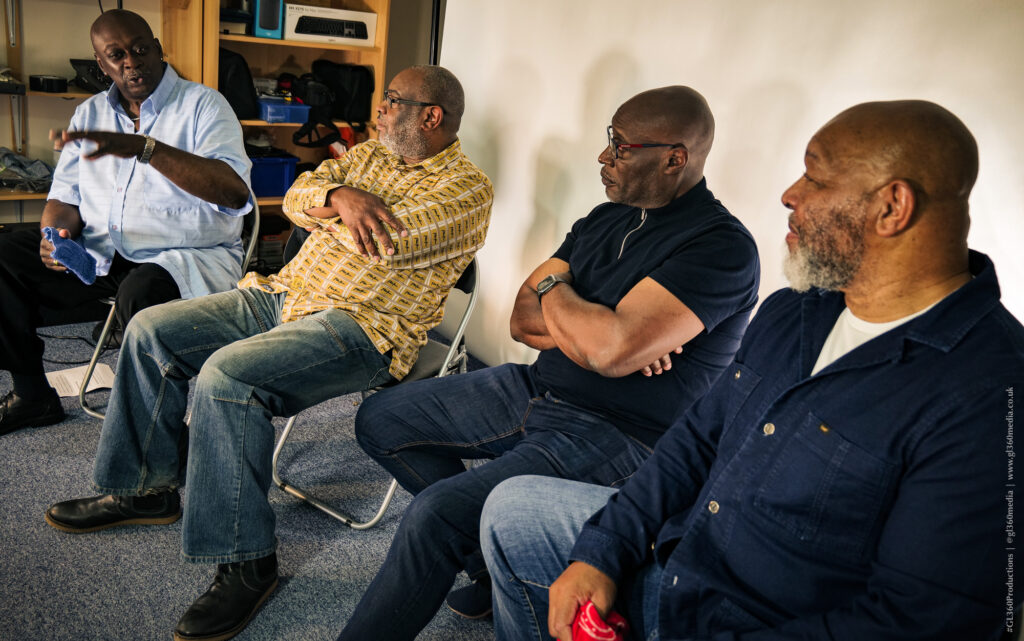
Alvin's bass journey began accidentally when his trombonist father bought a bass that "ended up with me playing it".
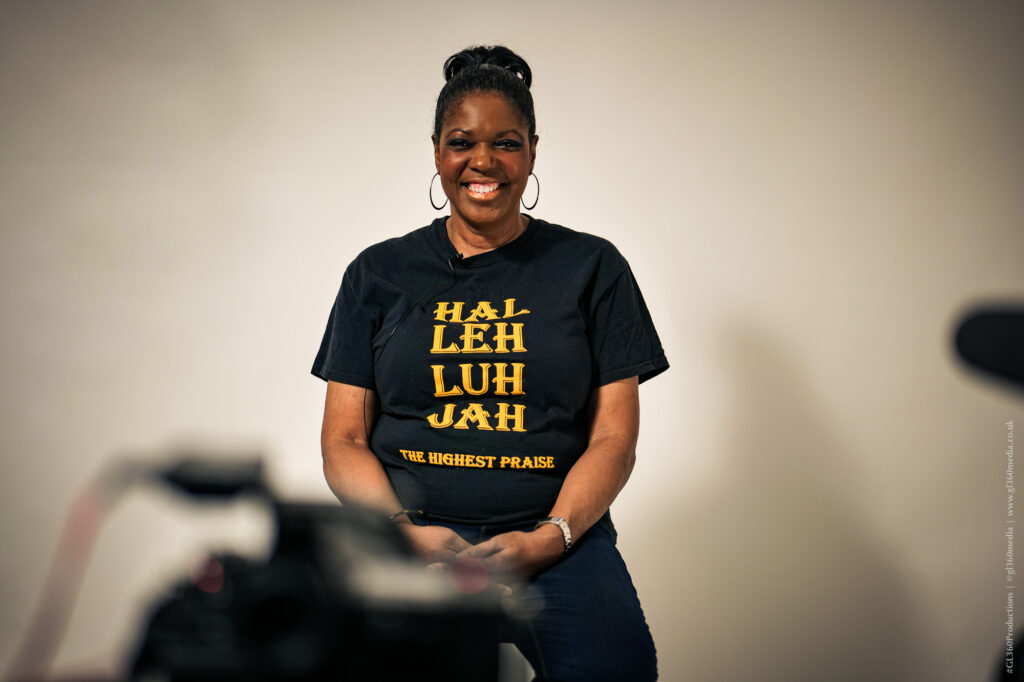
Maxine Brooks, born in Birmingham in 1964 to Jamaican parents, found her life's purpose in a Pentecostal church, leading to…

Celebrating the musical impact of the Windrush Generation in the West Midlands & Beyond