
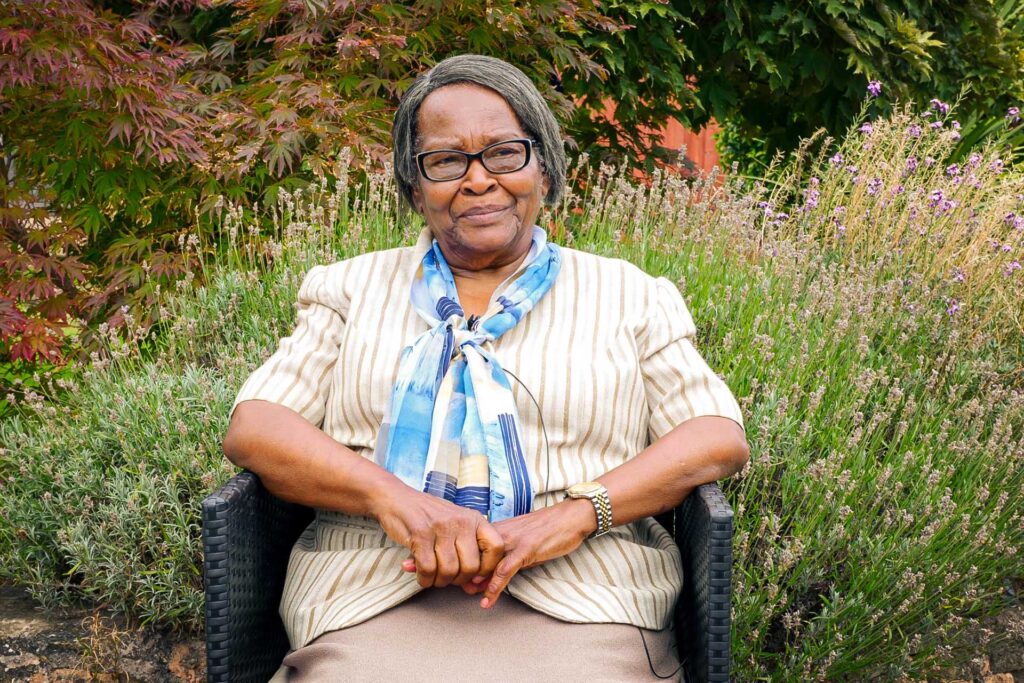
Jerome Bucknor

Jerome Bucknor’s passion for gospel music flourished from his family and church upbringing in Handsworth, Birmingham.

Surrounded by musician brothers and a singing sister, he was immersed in music from a young age, attending numerous gospel concerts and learning to appreciate the visceral experience of live performances over recordings. Growing up in the church that produced the “Majestic singers,” he was exposed to talents like Steve Thompson and Rose Anderson. Starting in the junior choir, he learned harmony, progressing from soprano to alto, a shift that “developed my ear” for complementary harmonies. He then advanced to the Handsworth Fellowship Choir.

A pivotal influence was younger peer Joshua Bailey, who saw Jerome’s potential beyond just a church worship singer, propelling him towards a professional, “creative” path. Jerome’s musical education extended to school in Sutton Coldfield, a predominantly white area, where he played the violin for ten years, reaching grade five and gaining exposure to classical music. Though he didn’t sing at school until age 17, his competition performance, featuring a medley of old and new school songs, showcased his unexpected vocal talent.

His professional singing aspirations led him to join “Eternity,” a five-member group formed by Joshua Bailey. The group aimed to blend gospel with contemporary sounds, drawing influences from artists like Usher and Mint Condition, and notably writing their own original songs. After two years with Eternity, Jerome was recruited for the “Gospel For You” project, resulting in his first recorded song, “Desires.” He also contributed to the compilation album “Faith.”

Jerome’s journey continued with Tehila, a group led by Kelvin Wright, where he learned valuable skills in group management and communication. A crucial connection was made with respected choir director Audrey Lawrence Mattis, who coached him and invited him to join AMC (Audrey Matisse’s Choir). Being part of AMC significantly enhanced his vocal growth, helping him “mix my registers better” and develop body awareness while singing. Jerome describes AMC as a supportive, diverse family.

Jerome has a consistent commitment to teaching and sharing knowledge, having led small groups from age 11 and served as assistant director for the National Youth Choir of the New Testament Church of God for about 15 years. He currently teaches vocal training and directs a gospel choir at a college, noting the enthusiasm of non-Black students for traditional gospel. He emphasizes taking musical skills seriously, investing in personal development, and nurturing younger talent, also highlighting the need for quality in modern gospel recordings. He names Rose Anderson and Jennifer Phillips as highly influential vocalists. 

Jerome views this "Recounted" project as essential for documenting and celebrating the rich, often unacknowledged, gospel legacy of the Windrush generation in the Midlands.

// Featured in

Sis McCalla

Born in Morgan's Pass, Clarendon, Jamaica, Sister McCalla demonstrated academic prowess, completing her sixth form and passing her first-year exams…

George Lawson-Bennett (AKA DJ Zorro)

Raised in Moseley and Balsall Heath by Jamaican parents, George's early life was deeply rooted in the Church of God…

Beresford Dawkins

Born in Birmingham in 1960 to Jamaican parents, has an extensive history in music ministry, promotion, and community project leadership.

Louis Williams

Louis Williams, a respected drummer and educator, shares a lifelong musical journey rooted in his Pentecostal upbringing in Willenhall and…
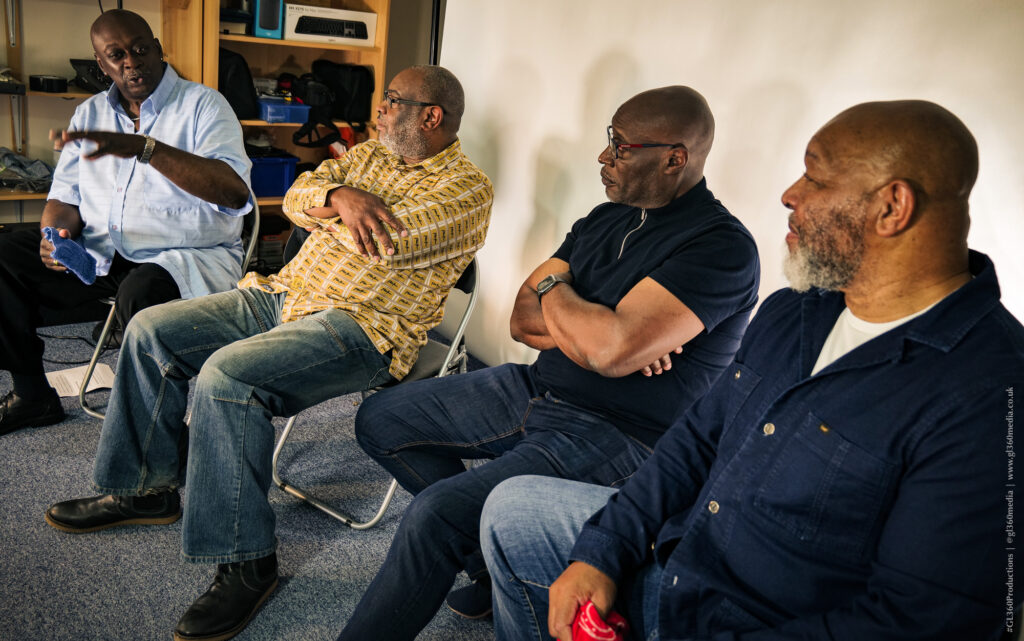
Raymond Grant, Wayne Williams, Glenn Prince & Alvin Ewen

Alvin's bass journey began accidentally when his trombonist father bought a bass that "ended up with me playing it".
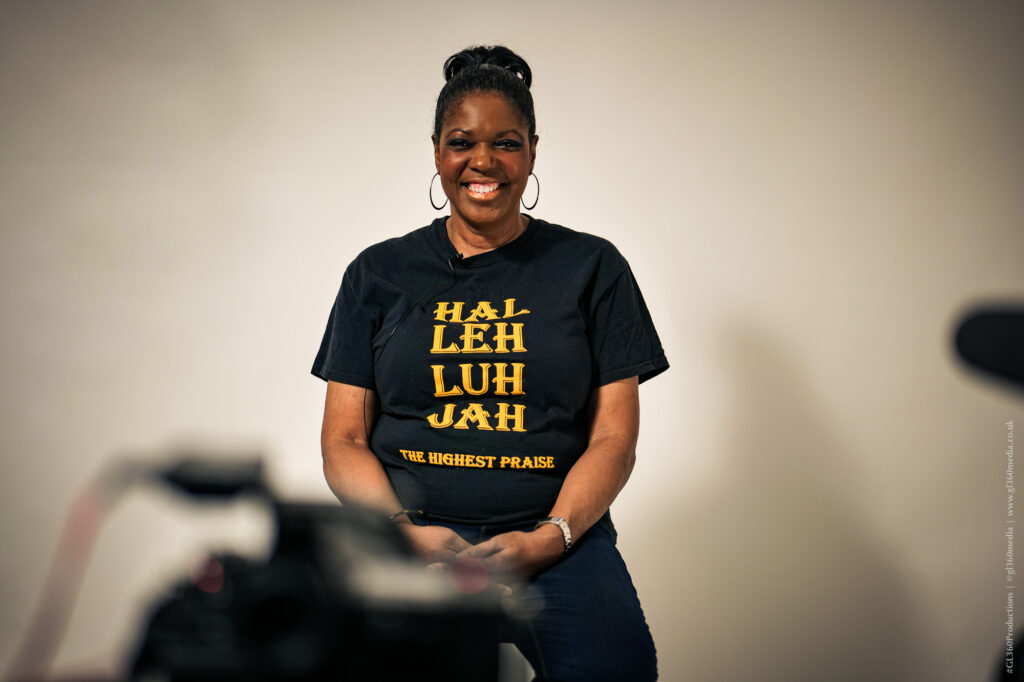
Maxine Brooks

Maxine Brooks, born in Birmingham in 1964 to Jamaican parents, found her life's purpose in a Pentecostal church, leading to…


Celebrating the musical impact of the Windrush generation in the West Midlands.

Recounted. All rights reserved. ©Gospel Link Media CIC.

Celebrating the musical impact of the Windrush Generation in the West Midlands & Beyond