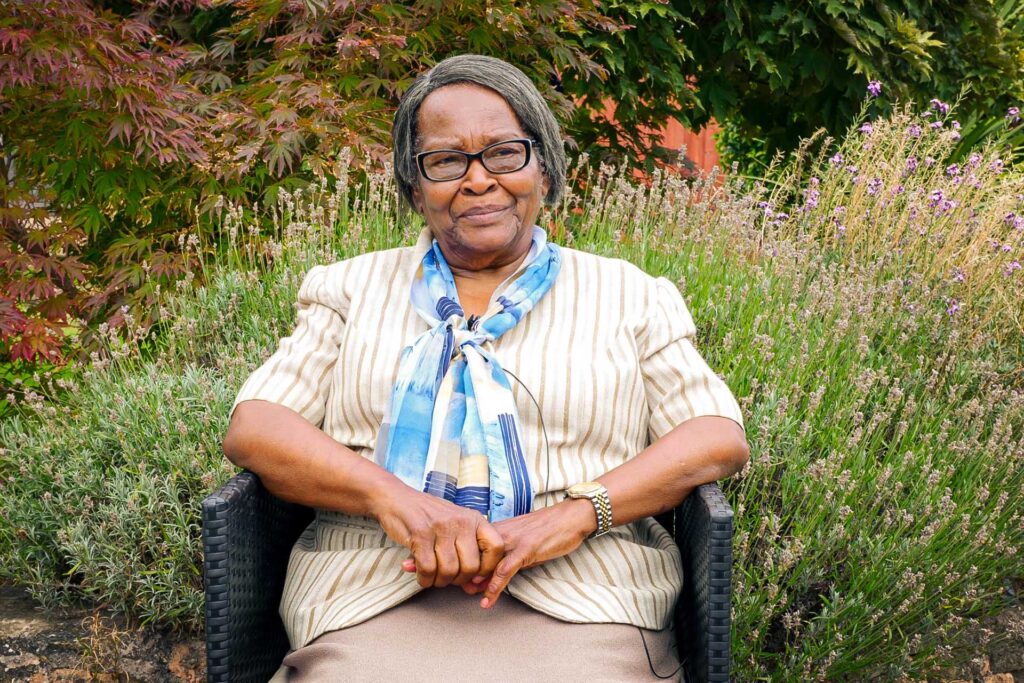
Louis Williams

Louis Williams, a respected drummer and educator, shares a lifelong musical journey rooted in his Pentecostal upbringing in Willenhall and Wolverhampton.

His musical spark ignited between ages five and six when his headmaster chose him to “demo” the school’s first drum kit, an experience that instantly captivated him. This led to a second-hand Premier kit for his Church of God of Prophecy, where he played diligently every Sunday, forming a core band with the minister’s sons and his brother.
Louis recalls the Willenhall Choir’s early dedication, where they meticulously honed their skills by ear, mimicking gospel cassettes from artists like Andre Crouch, Walter Hawkins, and the Winans. They also secretly listened to jazz musicians like Herbie Hancock, enabling them to master complex licks without formal sheet music. Louis asserts that the church ultimately served as their “musical university,” allowing self-taught musicians to achieve a standard comparable to formally trained professionals, but with a unique “feel.”
His reputation grew through constant collaborations with numerous musicians, forcing him to learn diverse genres and adapt his style. His extensive work includes a decade-long stint with Roy Jennings across Europe, and playing with the Birmingham Mass Choir and New Life, a group whose members later achieved significant secular success. His versatility is highlighted by his work with reggae artists like Dr. Alimantado and an Indian band called Red Rose.

Now a dedicated educator for over 20 years, Louis passes on his knowledge, emphasizing the importance of playing by ear and heart, balanced with the discipline of reading music for consistent performance. He highlights the strong community within the church, where gospel musicians often collaborated with secular artists.

 Reflecting on the challenges of touring, including exposure to drugs and smoke in venues, Louis stresses the importance of maintaining integrity and purpose, believing that talent should be used for God and not solely driven by financial gain. He views music as a powerful tool for inspiring others.

He passionately advocates for individuality and identity in drumming, urging players to develop their unique “stamp” rather than merely mimicking others. He cherishes drummers like Jerry and Nikki Brown for their distinct feel. Louis specifically remembers the Aberdeen Street and Mass Choir’s performance of “Genesis” at Town Hall as transformative, and praises New Life’s groundbreaking original songs that garnered widespread attention. He values the spontaneous, spirit-led moments in live performance that transcend rehearsal, creating a powerful, unspoken connection with the audience. Louis encourages aspiring musicians to embrace continuous learning, remain humble, and master their craft with passion and integrity.

He continues to teach, produce, and is involved in projects aiming to elevate British gospel talent.

// Featured in

Sis McCalla

Born in Morgan's Pass, Clarendon, Jamaica, Sister McCalla demonstrated academic prowess, completing her sixth form and passing her first-year exams…

George Lawson-Bennett (AKA DJ Zorro)

Raised in Moseley and Balsall Heath by Jamaican parents, George's early life was deeply rooted in the Church of God…

Beresford Dawkins

Born in Birmingham in 1960 to Jamaican parents, has an extensive history in music ministry, promotion, and community project leadership.

Louis Williams

Louis Williams, a respected drummer and educator, shares a lifelong musical journey rooted in his Pentecostal upbringing in Willenhall and…
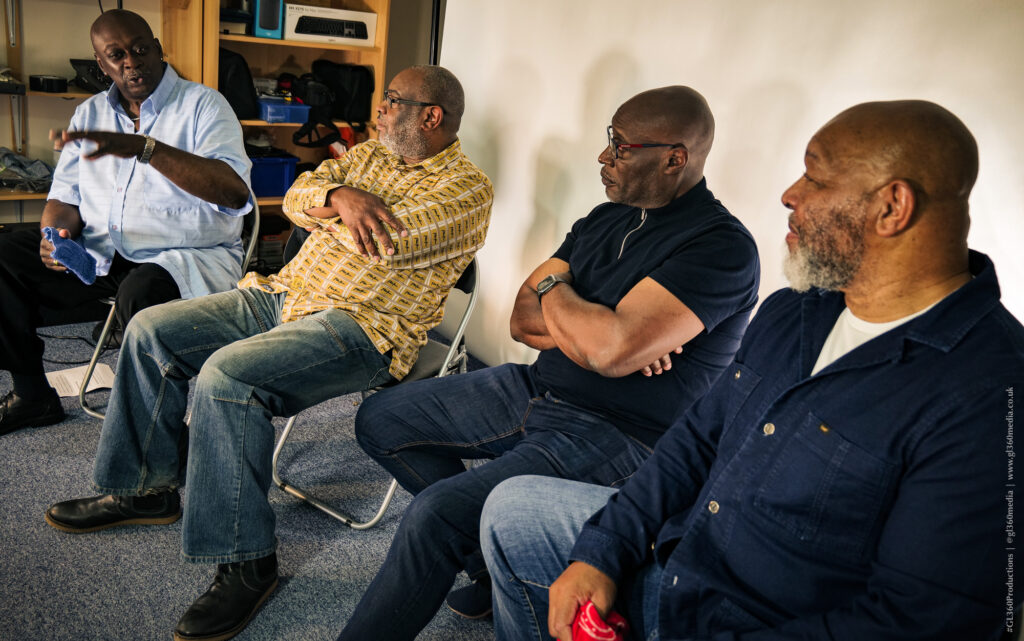
Raymond Grant, Wayne Williams, Glenn Prince & Alvin Ewen

Alvin's bass journey began accidentally when his trombonist father bought a bass that "ended up with me playing it".
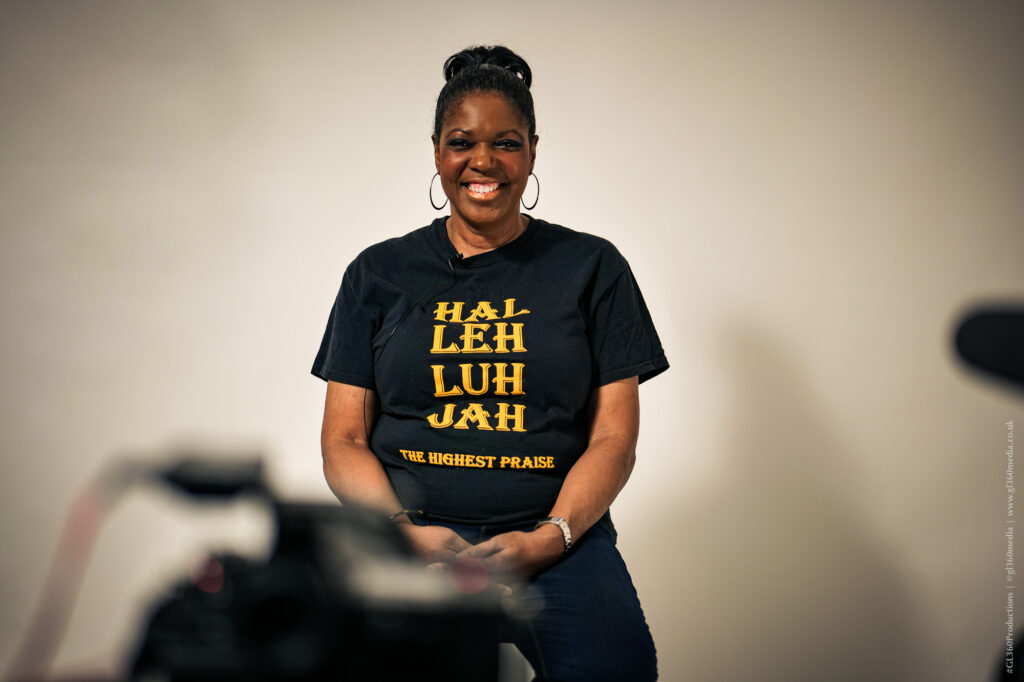
Maxine Brooks

Maxine Brooks, born in Birmingham in 1964 to Jamaican parents, found her life's purpose in a Pentecostal church, leading to…


Celebrating the musical impact of the Windrush generation in the West Midlands.

Recounted. All rights reserved. ©Gospel Link Media CIC.

Celebrating the musical impact of the Windrush Generation in the West Midlands & Beyond