
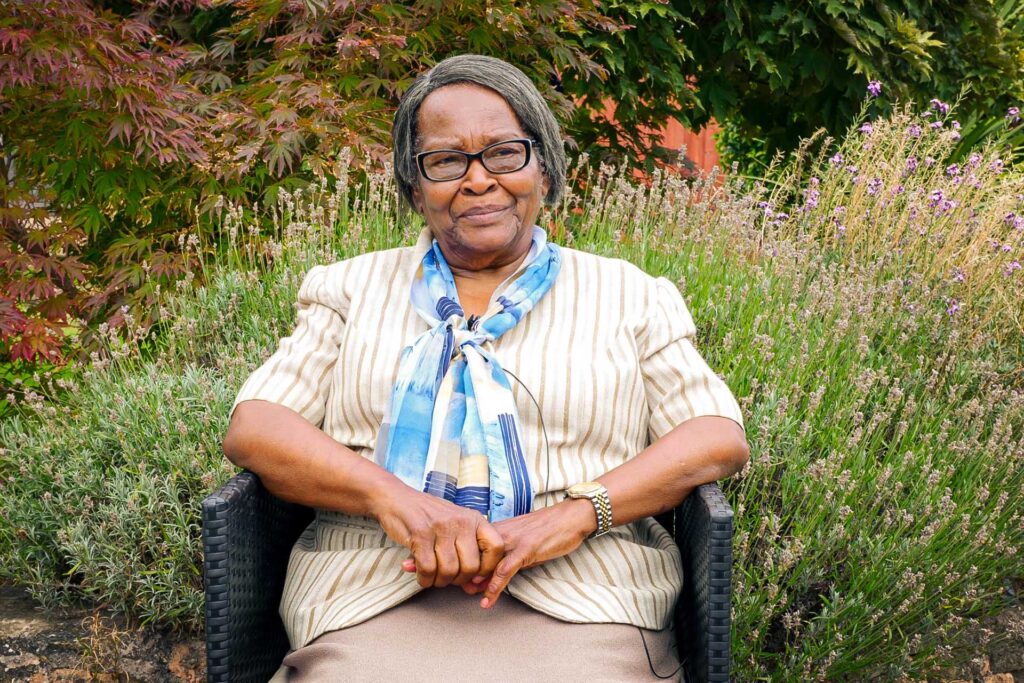
Nikki Tapper

Nikki Tapper, a radio presenter and educator, recounts her life, shaped by her Jamaican heritage, Pentecostal upbringing, and deep connection to gospel music.

Born in Smethwick, Birmingham, her parents, Jamaican immigrants, pursued careers from railway work and nursing to insurance, embodying upward mobility. Though her secondary schooling in Quinton was in a predominantly white area, she sought black friends in Edgbaston for a sense of belonging.


Her earliest church experience at West Brom Elim Pentecostal Church at age six led to her commitment to faith. A pivotal moment was her seriously ill mother’s miraculous healing through the fervent prayers of Pentecostal women, a profound encounter with “predominantly black people celebrating their faith”. This led her to the Wesleyan Holiness Church in her late teens. An earlier, initially overwhelming, experience at a Church of God of Prophecy church at age 12, witnessing vibrant spiritual expressions, ultimately drew her to an environment of deep faith. Nikki acknowledges the grounding of her early faith while recognising the need for evolving methodologies to reach younger, more educated generations facing “secular world” challenges.

Nikki fondly recalls “The Well” platform for its live music, amazing musicianship, and fostering unity across denominations. She expresses sadness that younger generations may miss the transformative experience of large-scale live gospel concerts, believing them crucial for spiritual awakening. She champions using technology to celebrate faith and share gospel music, emphasising its power to transform lives and connect people to God’s purpose.

Music was constant. Her parents’ diverse tastes, from Motown to reggae, broadened her exposure. In her teens, she discovered soul music, particularly Anita Baker, on Radio Luxembourg. However, church music remained her “most empowering and fulfilling experience,” showcasing extraordinary, often unrecorded, UK gospel talent like Hazel Watson, whose powerful performances deeply moved Nikki.

Nikki highlights the emotional depth of black gospel music, attributing it to the historical struggles and “systematic micro-aggressive racism” faced by the Windrush generation. Church provided a space for them to be their “authentic selves,” finding strength through fervent worship and song.

Her career path mirrored navigating prejudice. As a black female in teaching and radio, she faced implicit racism. Her mother’s emphasis on proper speaking and etiquette prepared her to “operate in a world that wouldn’t accept you ordinarily”. Her radio journey began by volunteering at Choice FM (later Galaxy FM), leading to her own show, “Gospel Heat with Nikki Tapper” (1997-98), where she introduced R&B gospel artists like Mary Mary and Kirk Franklin. She continued gospel radio at BBC Local Radio from 2003.

The gift of music, she concludes, is divine and can "keep you and sustain you no matter what you go through".

// Featured in

Sis McCalla

Born in Morgan's Pass, Clarendon, Jamaica, Sister McCalla demonstrated academic prowess, completing her sixth form and passing her first-year exams…

George Lawson-Bennett (AKA DJ Zorro)

Raised in Moseley and Balsall Heath by Jamaican parents, George's early life was deeply rooted in the Church of God…

Beresford Dawkins

Born in Birmingham in 1960 to Jamaican parents, has an extensive history in music ministry, promotion, and community project leadership.

Louis Williams

Louis Williams, a respected drummer and educator, shares a lifelong musical journey rooted in his Pentecostal upbringing in Willenhall and…
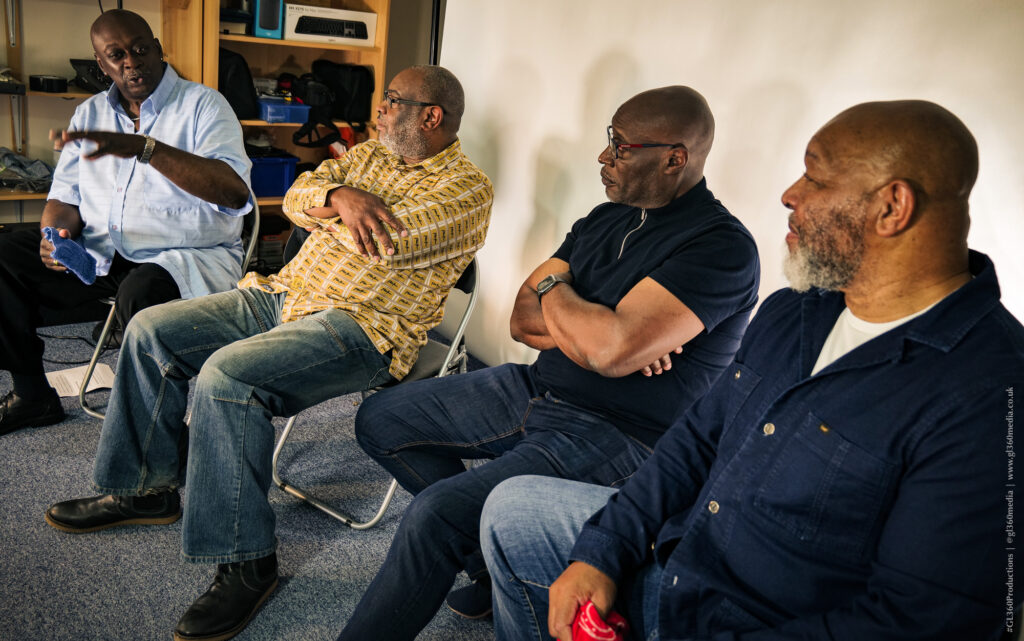
Raymond Grant, Wayne Williams, Glenn Prince & Alvin Ewen

Alvin's bass journey began accidentally when his trombonist father bought a bass that "ended up with me playing it".
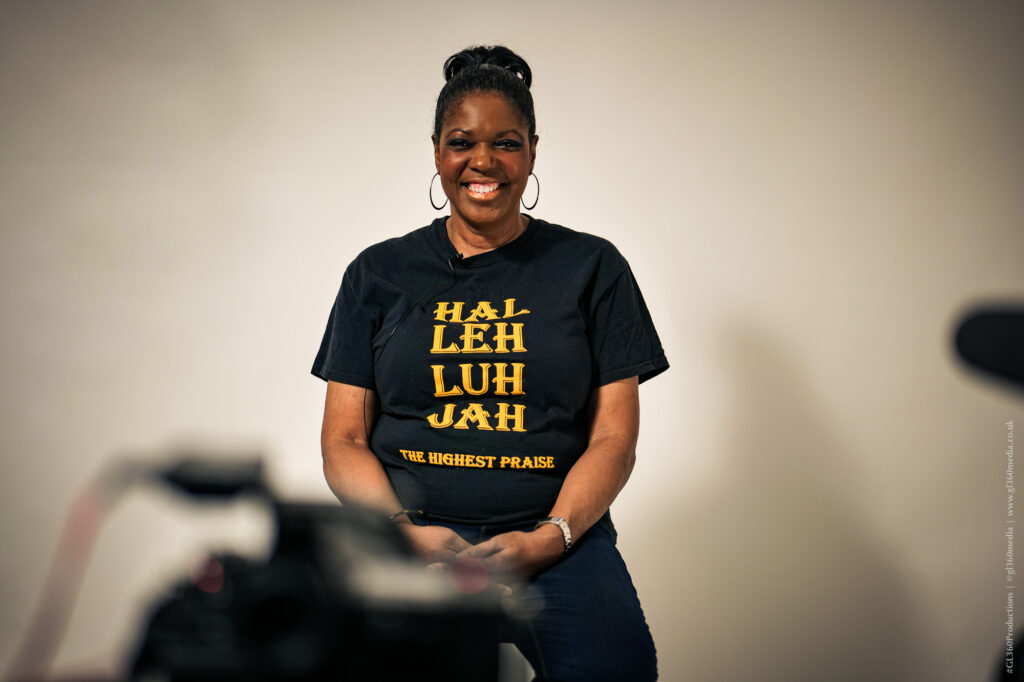
Maxine Brooks

Maxine Brooks, born in Birmingham in 1964 to Jamaican parents, found her life's purpose in a Pentecostal church, leading to…


Celebrating the musical impact of the Windrush generation in the West Midlands.

Recounted. All rights reserved. ©Gospel Link Media CIC.

Celebrating the musical impact of the Windrush Generation in the West Midlands & Beyond