His early memories include the humble beginnings of services in a community hall, often ending abruptly when caretakers flicked the lights. His musical awakening began with Deacon Johnson’s “scat” guitar playing and his uncle’s bass guitar, acquired using Green Shield stamps, whose “doom, doom, doom” sound, coupled with tambourines, formed the early rhythm section. Paul notes that the “on the beat” clapping rhythm in those services stemmed from slavery practices.
Paul highlights the competitive yet trusting relationship he had with fellow musician Trevor Prince, including Trevor’s secret modification of Paul’s guitar for a better sound. He addresses the increasing trend of talented church musicians being “poached” by secular artists for their “gospel feel,” leaving them unappreciated in the church. He criticises the church’s treatment of musicians, recalling instances where professional equipment was unplugged or deemed “too loud,” often forcing musicians to bear significant costs while being expected to perform for free.
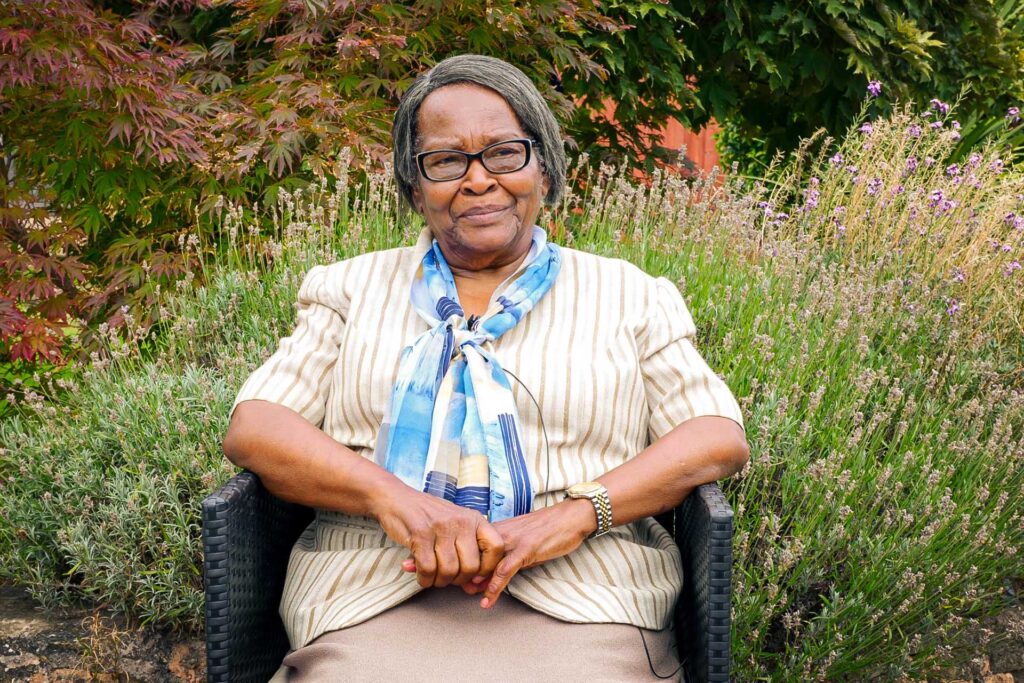
Born in Morgan's Pass, Clarendon, Jamaica, Sister McCalla demonstrated academic prowess, completing her sixth form and passing her first-year exams…
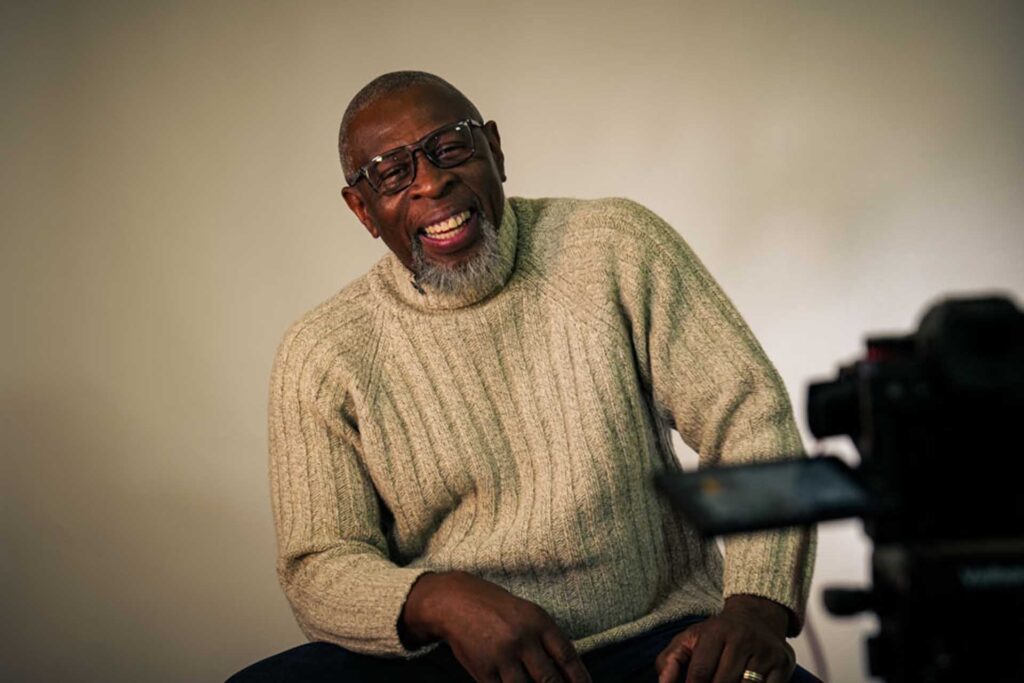
Raised in Moseley and Balsall Heath by Jamaican parents, George's early life was deeply rooted in the Church of God…
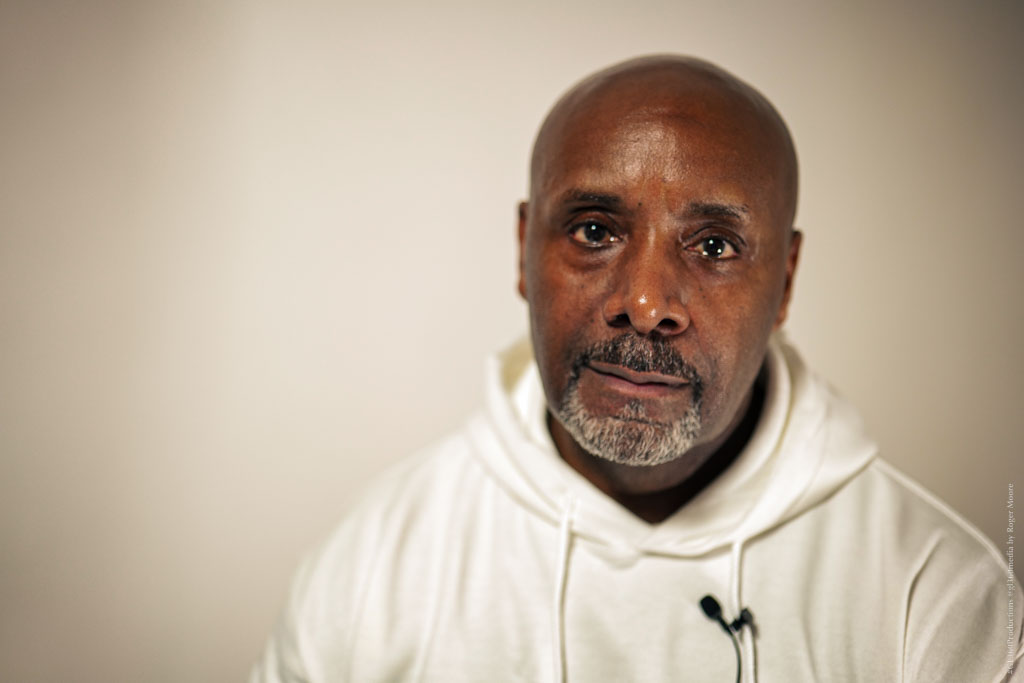
Born in Birmingham in 1960 to Jamaican parents, has an extensive history in music ministry, promotion, and community project leadership.
Louis Williams, a respected drummer and educator, shares a lifelong musical journey rooted in his Pentecostal upbringing in Willenhall and…
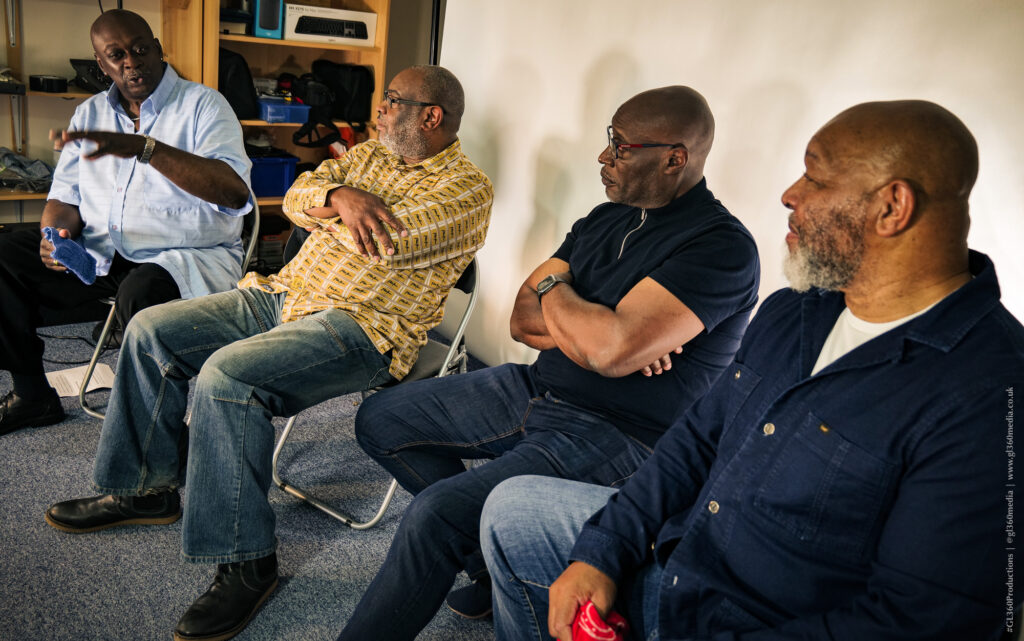
Alvin's bass journey began accidentally when his trombonist father bought a bass that "ended up with me playing it".
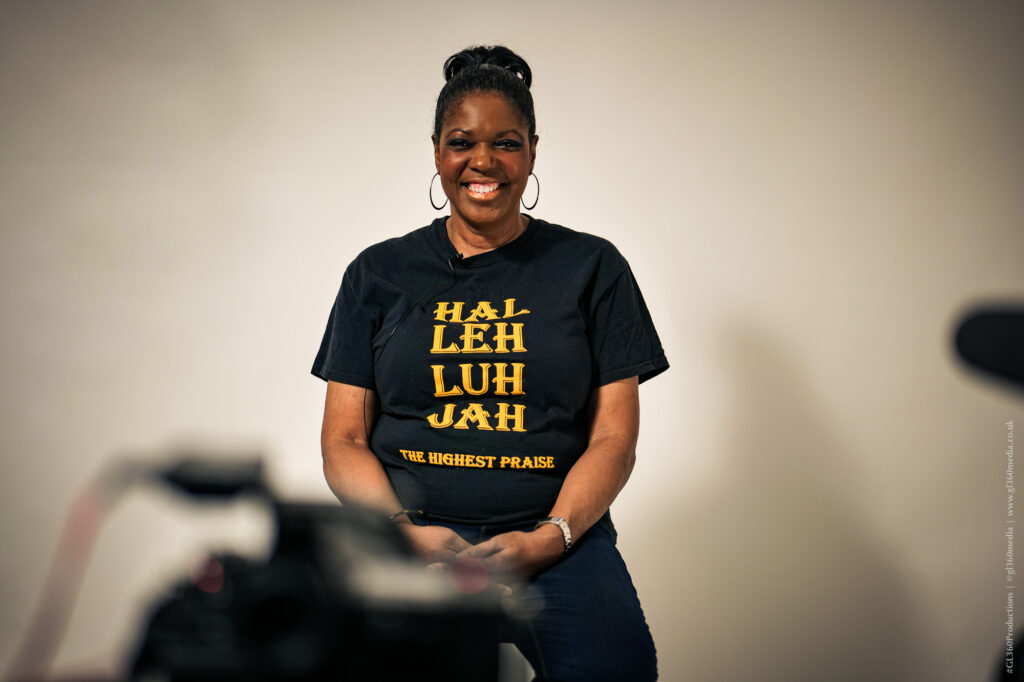
Maxine Brooks, born in Birmingham in 1964 to Jamaican parents, found her life's purpose in a Pentecostal church, leading to…

Celebrating the musical impact of the Windrush Generation in the West Midlands & Beyond