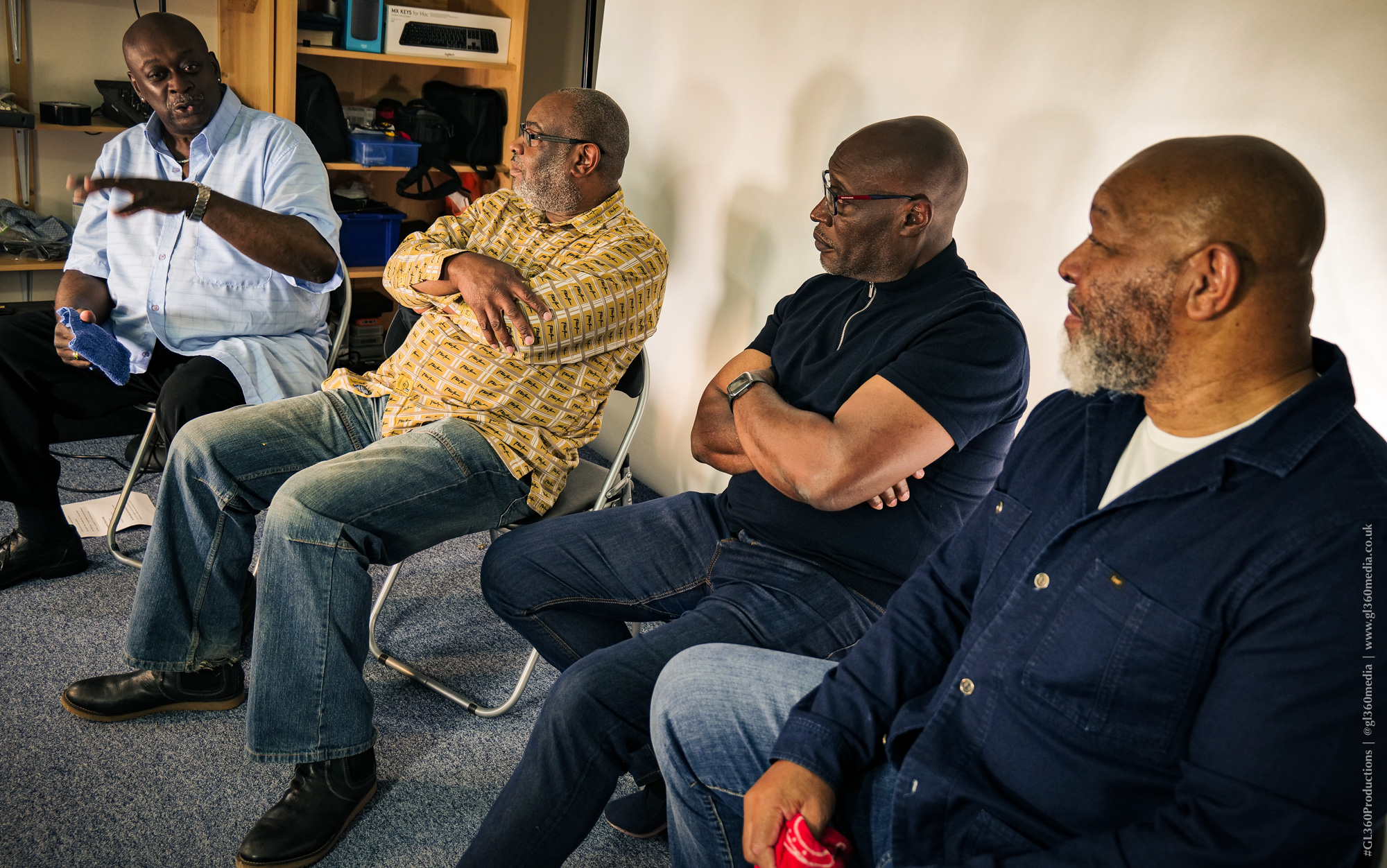
Raymond Grant, Wayne Williams, Glenn Prince, Alvin Ewen

Alvin's bass journey began accidentally when his trombonist father bought a bass that "ended up with me playing it".

He found it “the most natural thing”. Though he learned guitar first from his godfather, Brother Benjamin, at age eight or nine, the bass “stuck with me”. His secular inspirations include James Jameson and Bernard Edwards (Chic). He later pursued classical double bass training.
Glenn initially wanted to play guitar, influenced by various church guitarists. Brother Berry, seeing his interest in bass, encouraged him and lent him his “old top 20 bass”. Glenn naturally “eased over onto bass,” even picking out bass melodies on his acoustic guitar.
“Bass” (unnamed speaker) was drawn to the instrument after seeing someone play a “thing with four strings” at a church program, immediately thinking, “That’s what I want. I want to play bass”. He admired John Aldridge’s double bass playing and cited Wayne Williams’s “repetitive style of playing” as his primary influence. Reggae basslines from his Jamaican background also shaped him, followed by influences from Stanley Clarke and Jaco Pastorius.

Favourite church songs include Alvin’s “Fire, Fire, Fire,” which allowed him to “let go, let loose” while playing. Glenn’s mother’s favourite, “Jesus Hold My Hand, Precious Jesus,” and “Sound the Battle Cry,” a powerful convention song, hold deep meaning. “Bass” resonates with “How Great Thou Art” and “Amazing Grace,” noting its author was a former slave trader.

Regarding equipment, Alvin uses a Genz Benz 900 head with a Bergantino 15-inch speaker for a “warm sound”. Glenn, credited with introducing Trace Elliot to Birmingham, now prefers a portable Markbass amplifier with a single 15-inch speaker. “Bass” favours his custom-made old JD bass for its versatile tone and uses an Eden 800 rig for a modern, solid sound.

All speakers emphasise the profound impact of the Windrush generation. Alvin notes he “played to that generation”, while Glenn believes they “wouldn’t have had the musical chances, opportunities” without them. They acknowledge the immense suffering and racial struggles faced by this generation but highlight their determination to create better opportunities and the role of music in fostering community and resilience.

The church, they explain, provided discipline, life skills like public speaking, confidence and a strong sense of identity.

// Featured in

Sis McCalla

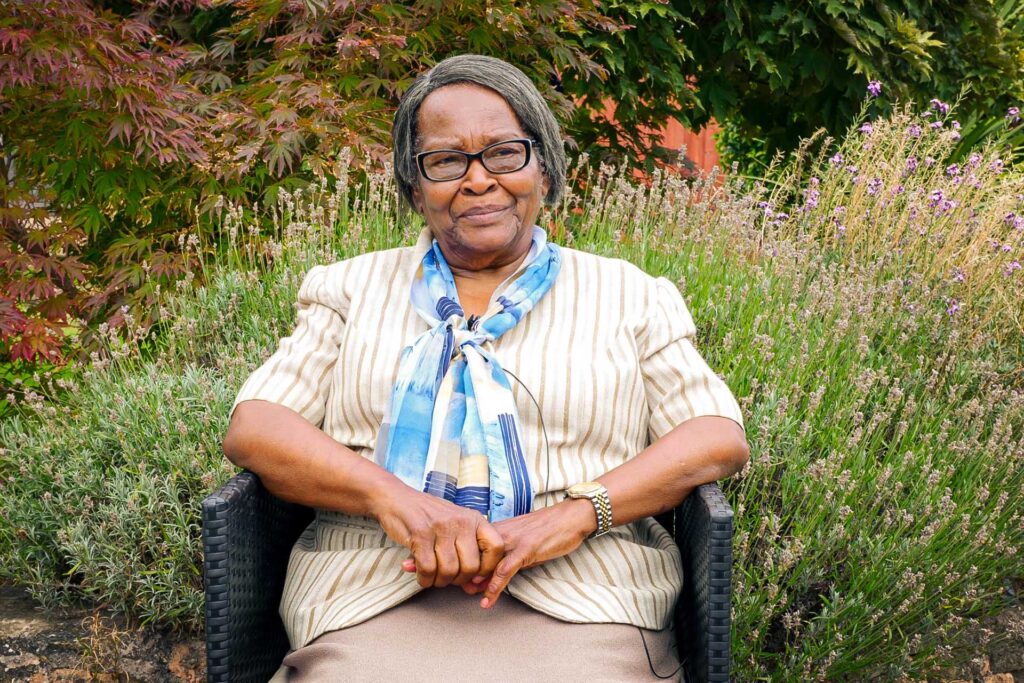
Born in Morgan's Pass, Clarendon, Jamaica, Sister McCalla demonstrated academic prowess, completing her sixth form and passing her first-year exams…

George Lawson-Bennett (AKA DJ Zorro)

Raised in Moseley and Balsall Heath by Jamaican parents, George's early life was deeply rooted in the Church of God…
Beresford Dawkins

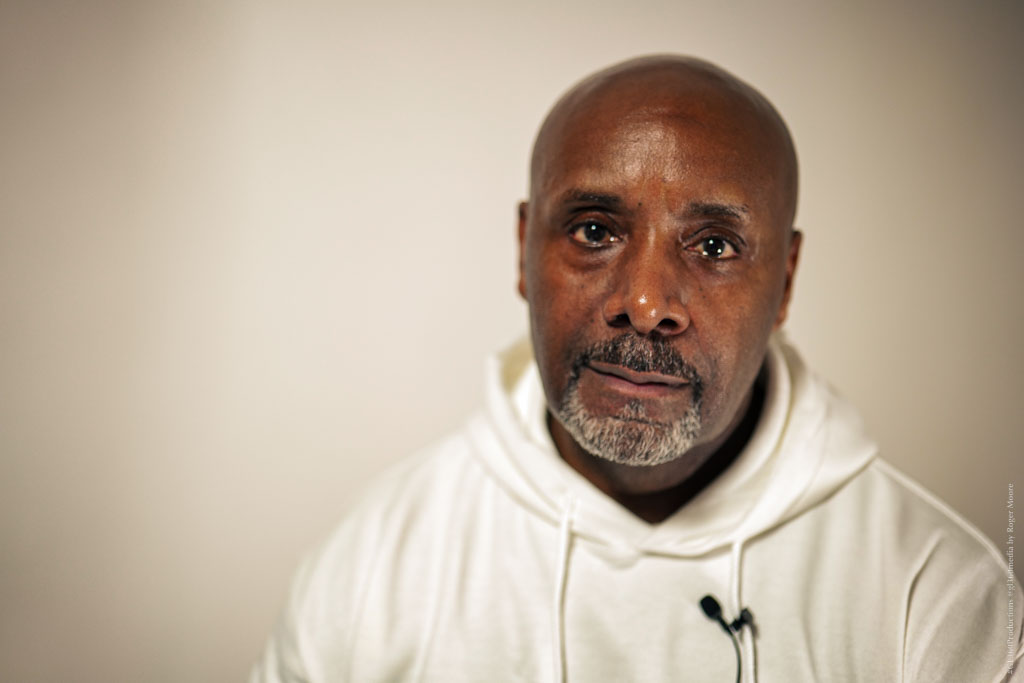
Born in Birmingham in 1960 to Jamaican parents, has an extensive history in music ministry, promotion, and community project leadership.

Louis Williams

Louis Williams, a respected drummer and educator, shares a lifelong musical journey rooted in his Pentecostal upbringing in Willenhall and…
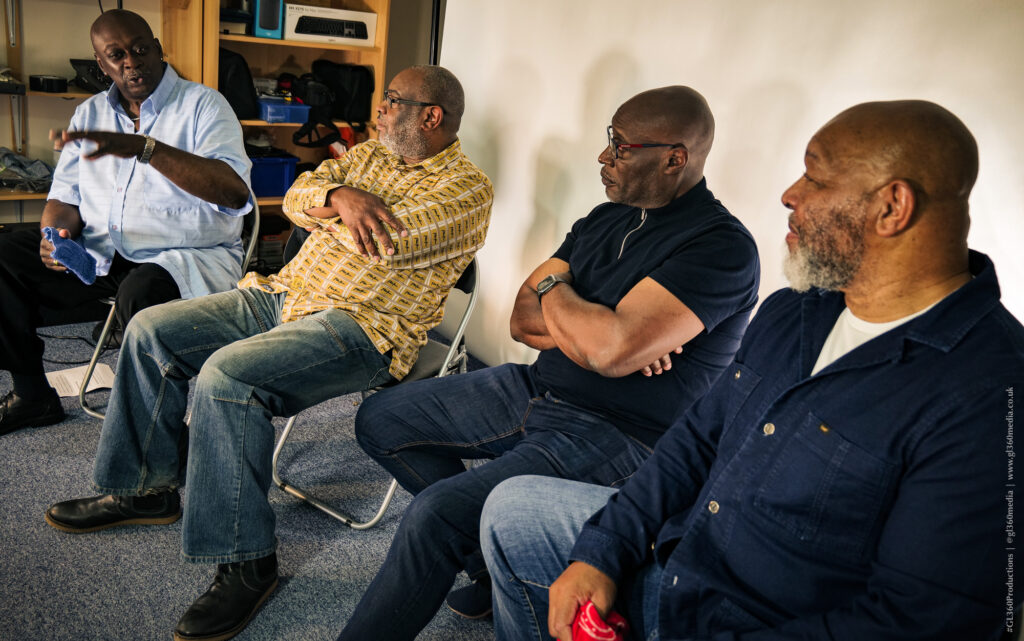
Raymond Grant, Wayne Williams, Glenn Prince & Alvin Ewen

Alvin's bass journey began accidentally when his trombonist father bought a bass that "ended up with me playing it".
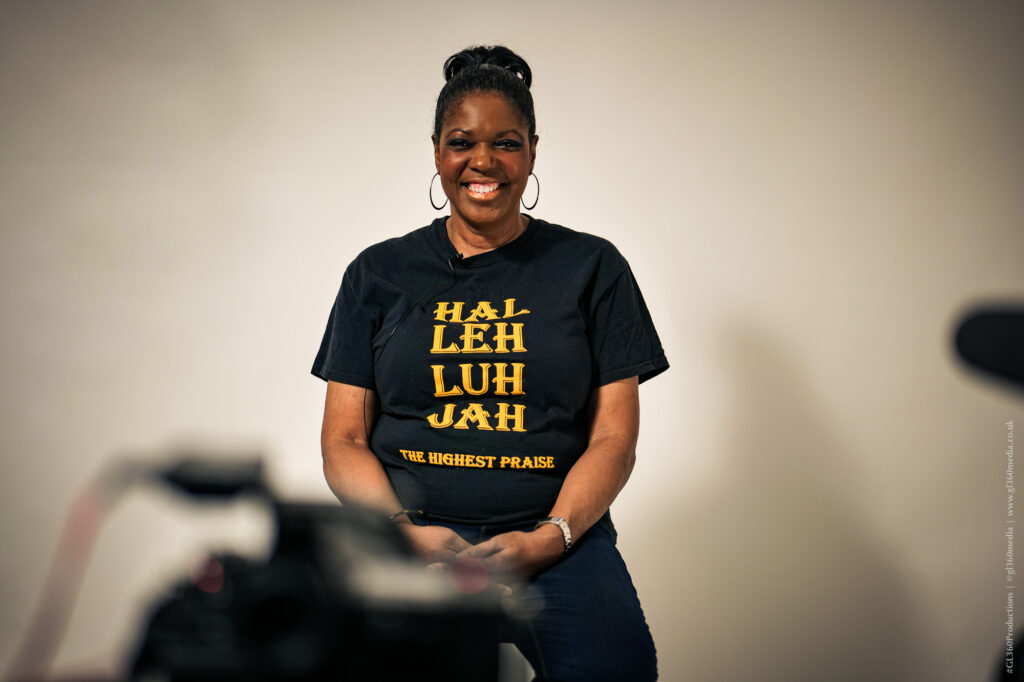
Maxine Brooks

Maxine Brooks, born in Birmingham in 1964 to Jamaican parents, found her life's purpose in a Pentecostal church, leading to…


Celebrating the musical impact of the Windrush generation in the West Midlands.

Recounted. All rights reserved. ©Gospel Link Media CIC.

Celebrating the musical impact of the Windrush Generation in the West Midlands & Beyond