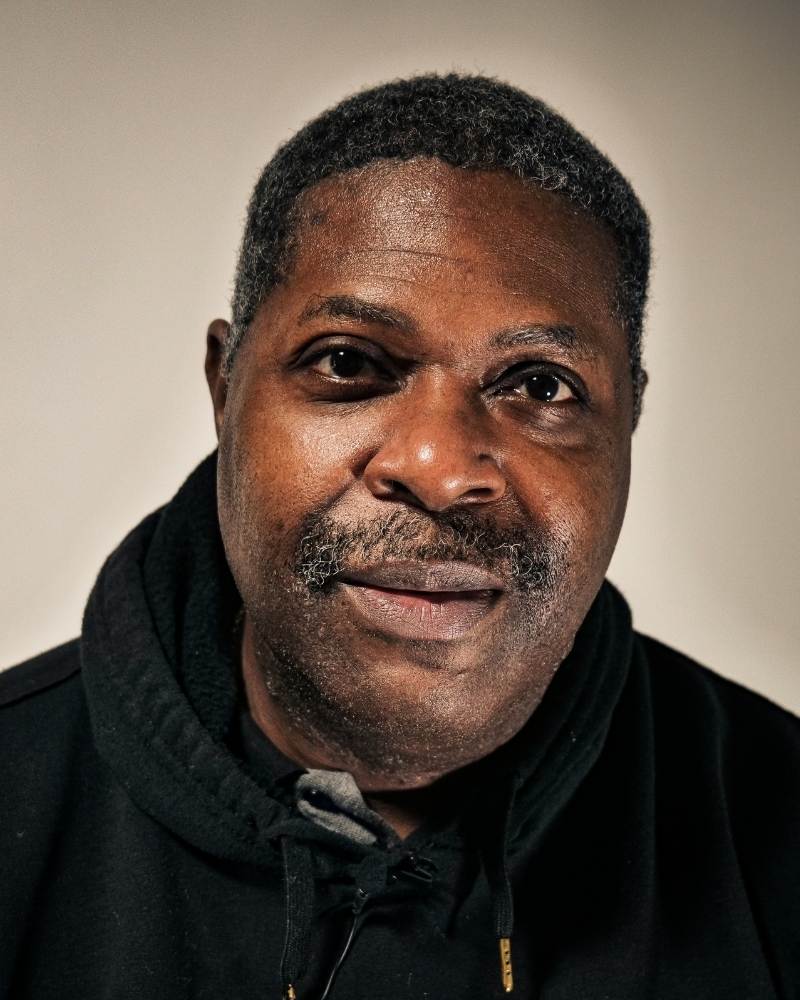
His early influences were varied, leaning towards his mother’s favored country and western before incorporating reggae. He began playing piano at age nine, quickly surpassing his first teacher. Formal classical lessons followed with Mr. Purcell, who fostered Winston’s improvisational flair while ensuring he learned to read all four parts of a hymnbook, a necessity for his church’s formal singing style.
Despite his advanced ability, Winston was discouraged from pursuing music formally at Aston Manor School, with a careers advisor pushing him toward engineering. Nevertheless, his musical education continued in the church, and his background in electronics later proved invaluable for improving church sound systems. By age 14, he was teaching parts to adult choir members.
His musical development was significantly impacted by the arrival of American gospel artists like the Clark Sisters, Commissioned, and The Winans, with the Clark Sisters personally encouraging his piano playing. At age 18, Winston’s dedication was evident when he meticulously read the manual of his new Roland D-50 keyboard, enabling him to create unique custom sounds instead of relying on presets, an advanced approach he also learned from Howard Francis of LCGC.
Winston’s involvement with the Mary Bell Choir led to extensive national and international tours, including performances at the NEC Arena and an appearance on the John Peel Show. These demanding experiences, often involving arduous travel, were deemed a “good learning time.”
A pivotal shift in his professional perspective came from gospel artist Daryl Coley, who stated, “Everything to do with me getting here is business… When I step on the stage and I pick up the microphone, that’s my ministry.” This challenged the prevailing church view that musicians should not be paid and prompted Winston to seek professional opportunities outside the church. Winston himself was a pioneer in his local church, bringing the first amplifier, mixing desk, and PA system, driven by his desire for excellent sound quality as an act of worship.
His move to America further broadened his understanding. While playing for a major church in South Florida, the pastor’s explicit question, “How much do you charge?”, initially stunned him due to his UK upbringing. He also learned to play the challenging Hammond B3 organ in West Palm Beach. In Atlanta, he observed a thriving system where the church actively supported its songwriter-musicians, ensuring they could earn a living from their craft—a stark contrast to the UK. These experiences motivated him to join ASCAP and the UK Songwriters,
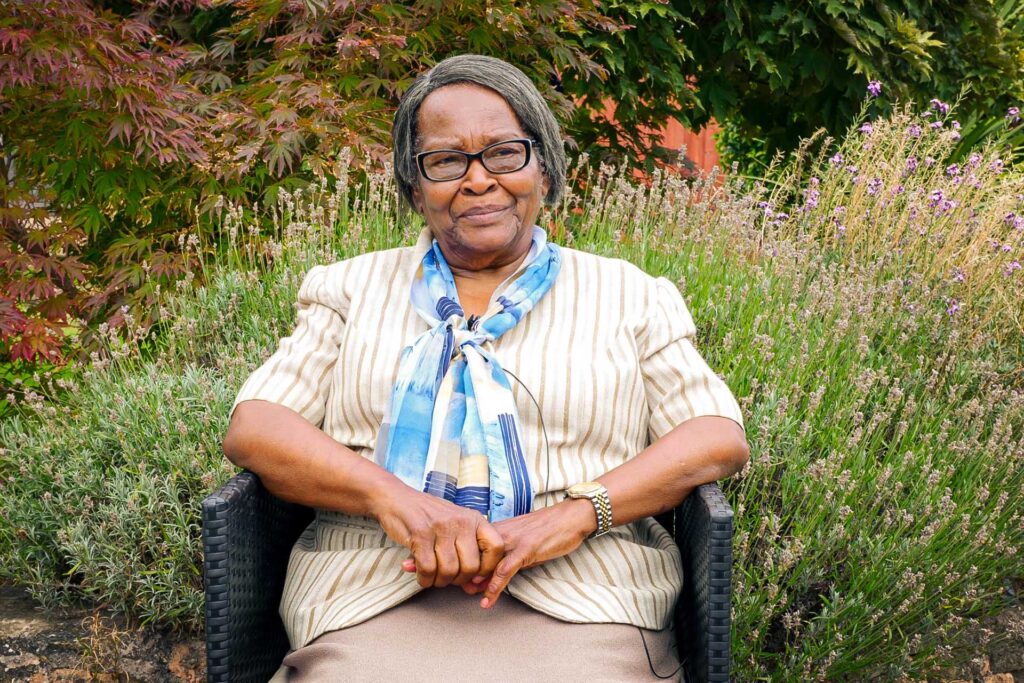
Born in Morgan's Pass, Clarendon, Jamaica, Sister McCalla demonstrated academic prowess, completing her sixth form and passing her first-year exams…
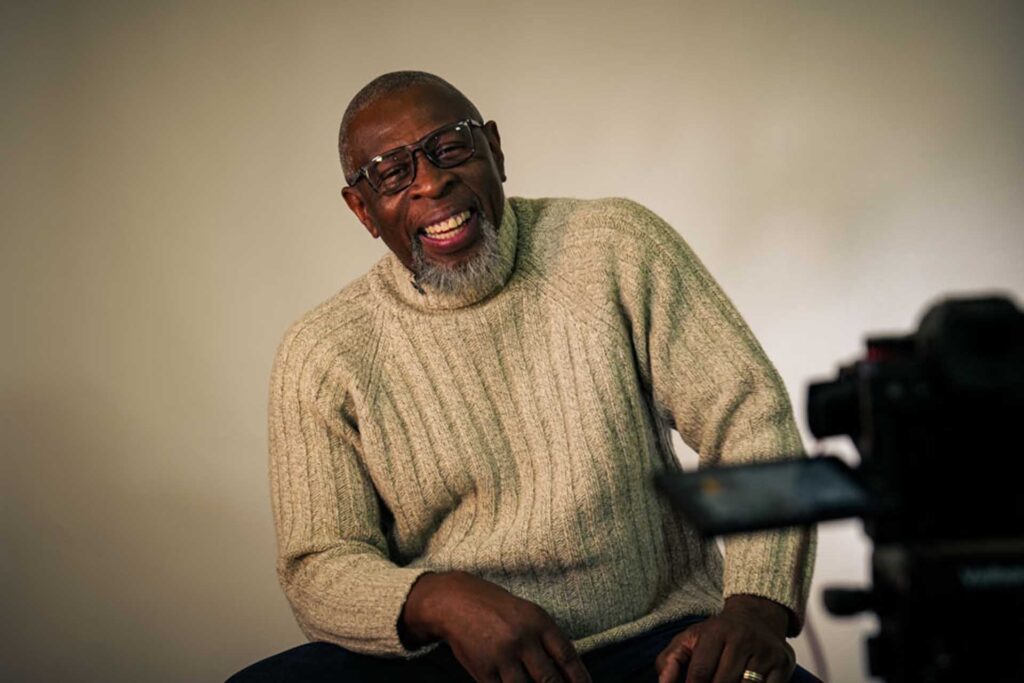
Raised in Moseley and Balsall Heath by Jamaican parents, George's early life was deeply rooted in the Church of God…
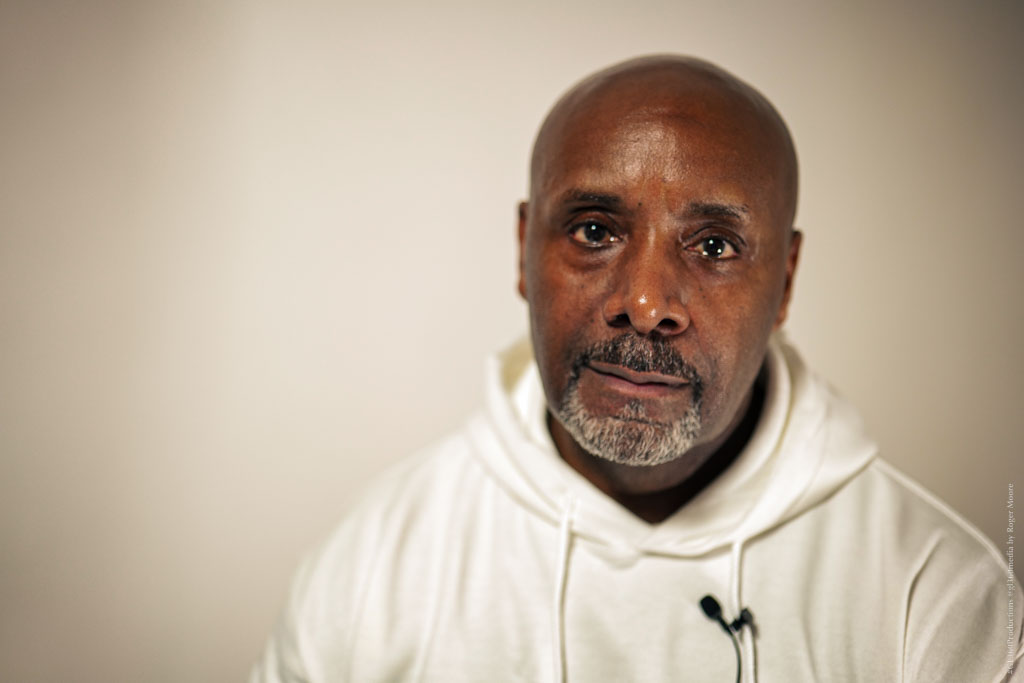
Born in Birmingham in 1960 to Jamaican parents, has an extensive history in music ministry, promotion, and community project leadership.
Louis Williams, a respected drummer and educator, shares a lifelong musical journey rooted in his Pentecostal upbringing in Willenhall and…
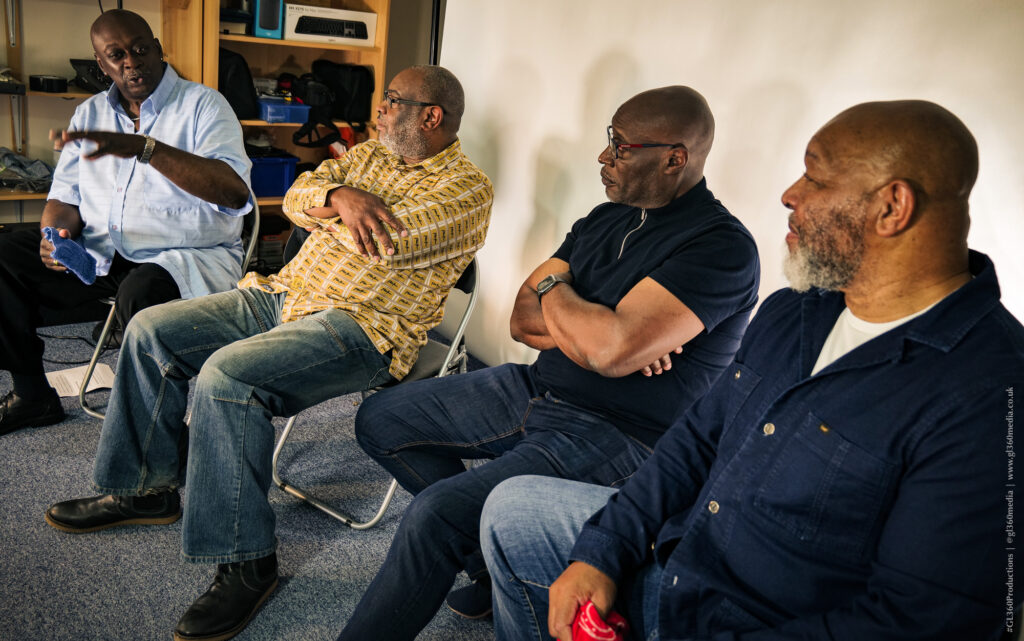
Alvin's bass journey began accidentally when his trombonist father bought a bass that "ended up with me playing it".
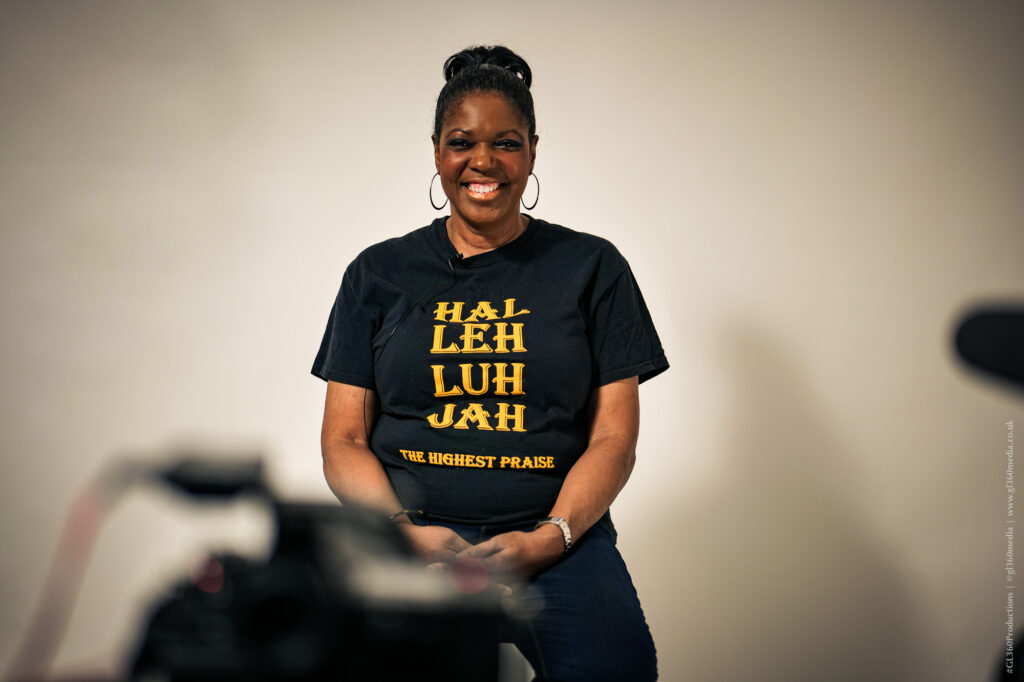
Maxine Brooks, born in Birmingham in 1964 to Jamaican parents, found her life's purpose in a Pentecostal church, leading to…

Celebrating the musical impact of the Windrush Generation in the West Midlands & Beyond