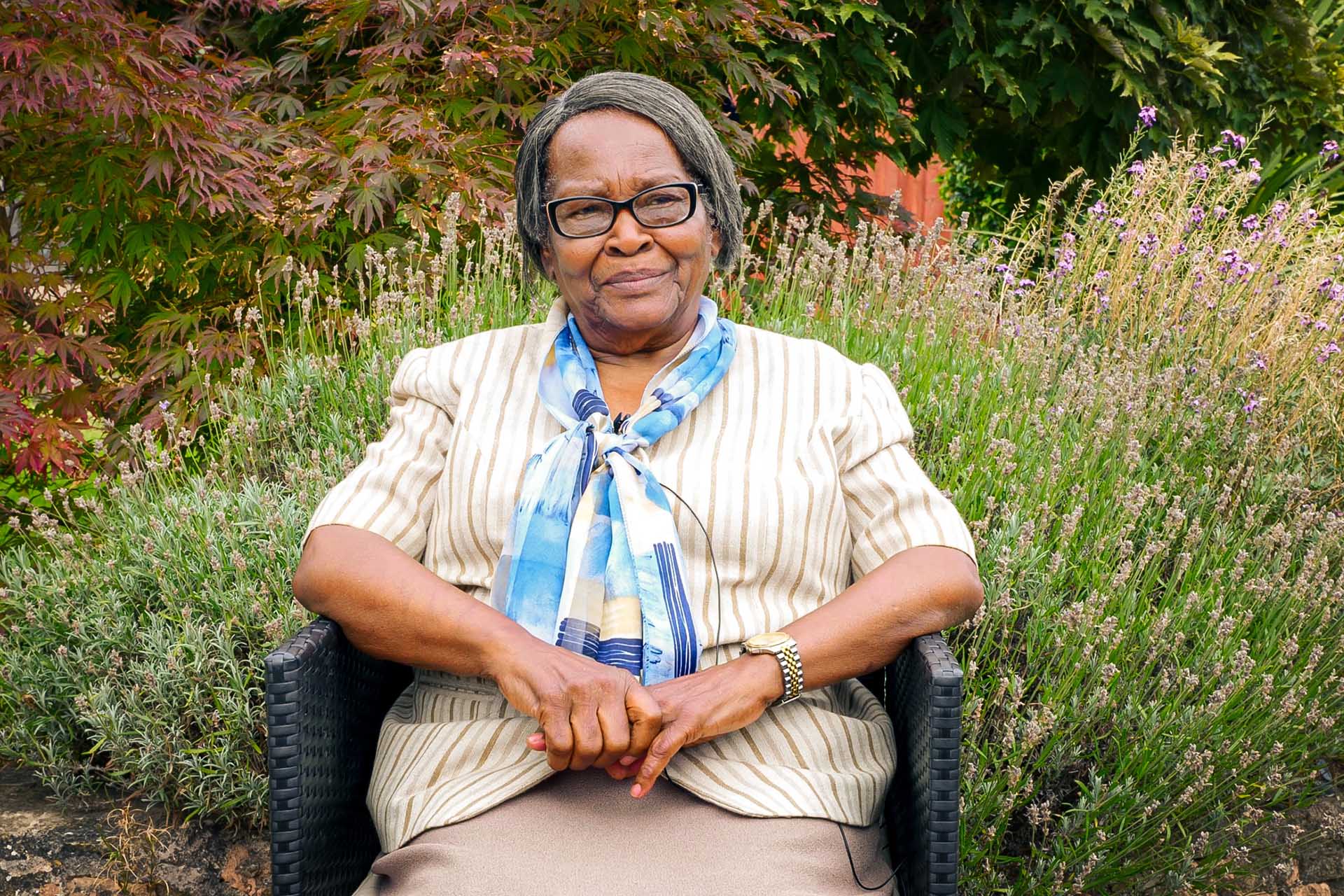
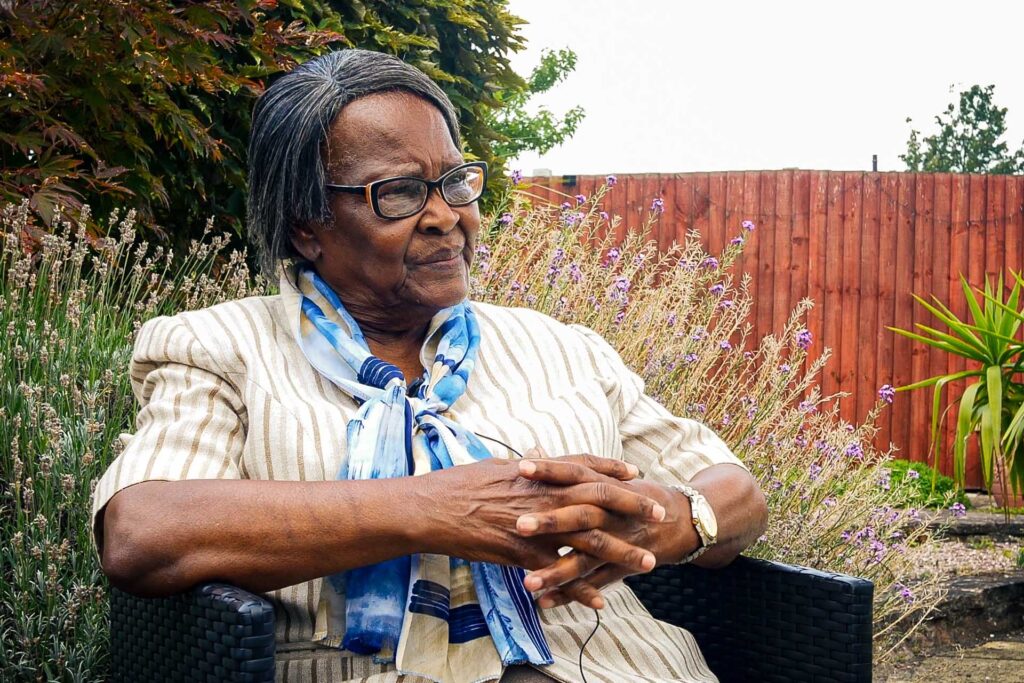
Sis McCalla

Sister McCalla's journey from Jamaica to England is a testament to her unwavering faith, love for education, and the profound role of music and community in her life.

Born in Morgan’s Pass, Clarendon, Jamaica, Sister McCalla demonstrated academic prowess, completing her sixth form and passing her first-year exams at 16. Despite her ambition to become a nurse , she found her calling as a private school teacher at just five years old, teaching around 40 children. Her students’ advanced progress even led elementary school teachers to send her “backward children” for tutoring.

A pivotal moment came at 17 when she got converted. Her father, disapproving of her newfound faith, refused to fund her second year of exams if she continued attending church. Sister McCalla chose her faith, prioritising serving the Lord over her academic pursuits, a decision that deeply impacted her life. She married at 24.

Church life in Jamaica was vibrant and youth-filled. Her godfather led the Victory Leading Band (youth ministry), taking young people on tours. Her husband, a self-taught musician, mastered the ukulele and banjo, an “inspiration from God”. He played alongside others, including a saxophonist and a string guitarist.

The Church of God of Prophecy in Jamaica was a large, interconnected community, with members travelling vast distances to revivals and conventions across all 14 parishes. Music, especially tambourines during praise and worship, was central to their worship.

Sister McCalla arrived in England in 1961, eleven months after her husband, overcoming a fear of flying to reunite with him. She left behind five children, confidently cared for by her parents. The drastic shift to England’s winter weather was an initial shock, making her want to return to Jamaica. She also faced cultural adjustments, like learning to open shop doors and distinguishing letter boxes from post boxes.

Her first job at a hospital brought experiences of racism, as people treated her as “inferior”. However, her Christian faith provided resilience, supported by a Christian manager who encouraged her by saying, “Daphne, if Olive can do it, you can do it”. The church community remained a cornerstone of her life in England. Her godfather became a leader at the Ladypool Road Church, which grew into a massive congregation, becoming a hub for the Pentecostal Evangelical movement in South Birmingham.

Music provided significant motivation and upliftment throughout her journey, particularly during challenges like racism. The collective singing and instrumental music, even from a single banjo accompanied by tambourines, created a powerful, spiritual atmosphere that inspired listeners, including a senior police officer. The church was a vital source of identity, purpose, and value, fostering crucial life skills like public speaking. 

This rich history, spanning generations and overcoming adversity, is deemed essential to document for future understanding.

// Featured in

George Lawson-Bennett (AKA DJ Zorro)

Raised in Moseley and Balsall Heath by Jamaican parents, George's early life was deeply rooted in the Church of God…

Sis McCalla

Born in Morgan's Pass, Clarendon, Jamaica, Sister McCalla demonstrated academic prowess, completing her sixth form and passing her first-year exams…

Celebrating the musical impact of the Windrush generation in the West Midlands.

Recounted. All rights reserved. ©Gospel Link Media CIC.

Celebrating the musical impact of the Windrush Generation in the West Midlands & Beyond